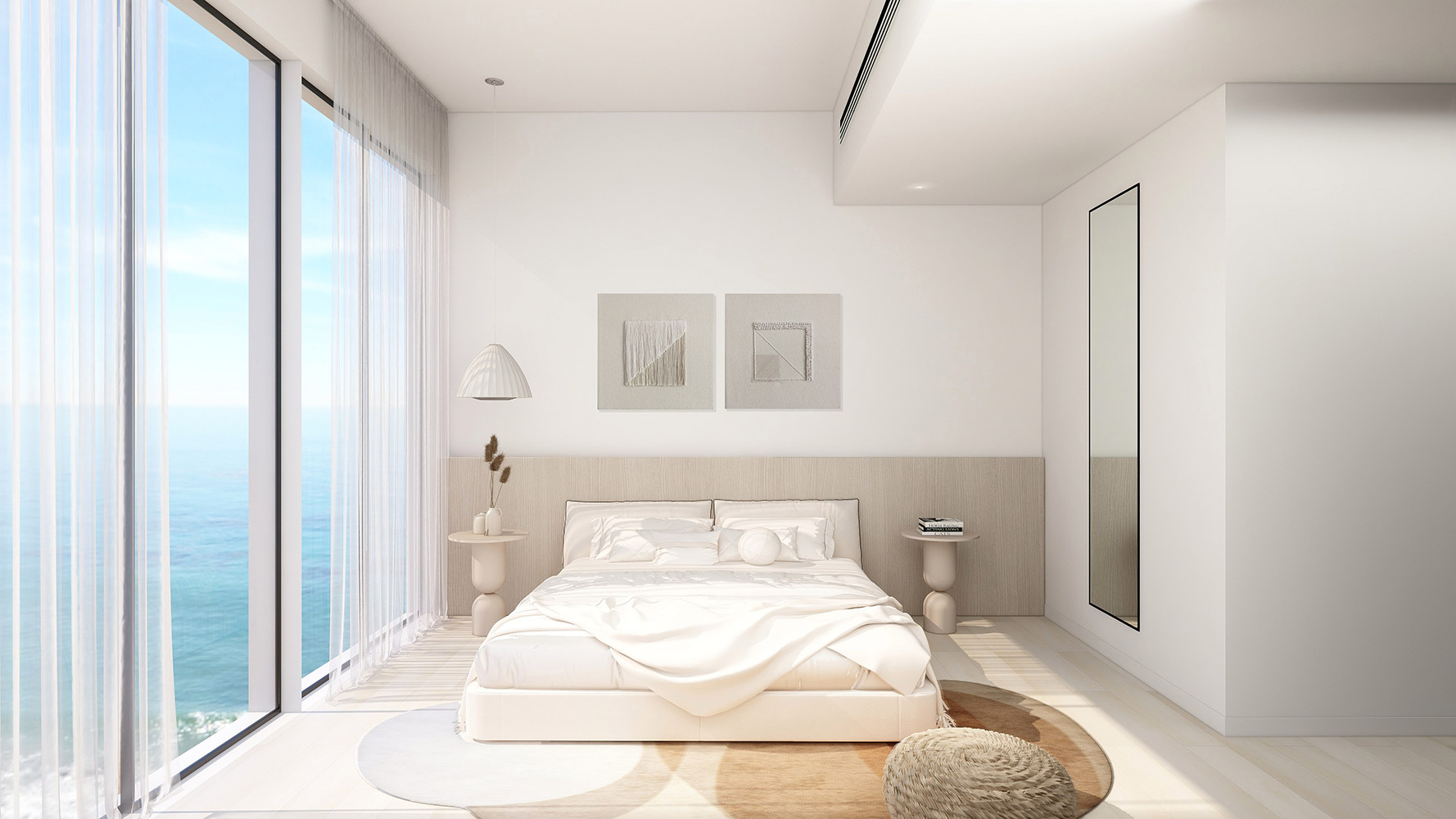
Ras Al Khaimah (RAK) property prices per square foot are significantly lower than those in Dubai Waterfront, with a price range of AED 800–1,500/sqft in RAK compared to AED 1,200–2,200/sqft in Dubai Marina, a prime Dubai Waterfront location.
Ras Al Khaimah (RAK) property prices per square foot are significantly lower than those in Dubai Waterfront, with a price range of AED 800–1,500/sqft in RAK compared to AED 1,200–2,200/sqft in Dubai Marina, a prime Dubai Waterfront location. The potential for long-term appreciation in RAK is substantial, supported by robust transaction volumes, infrastructure developments, and attractive yields. In Q1 2026, RAK saw a 240% year-on-year increase in transaction volume, totaling AED 11 billion (RAK Properties). This, coupled with the upcoming Q1 2027 opening of Wynn Al Marjan, a 1,500+ room integrated resort, positions RAK for significant capital growth.
Core data and context
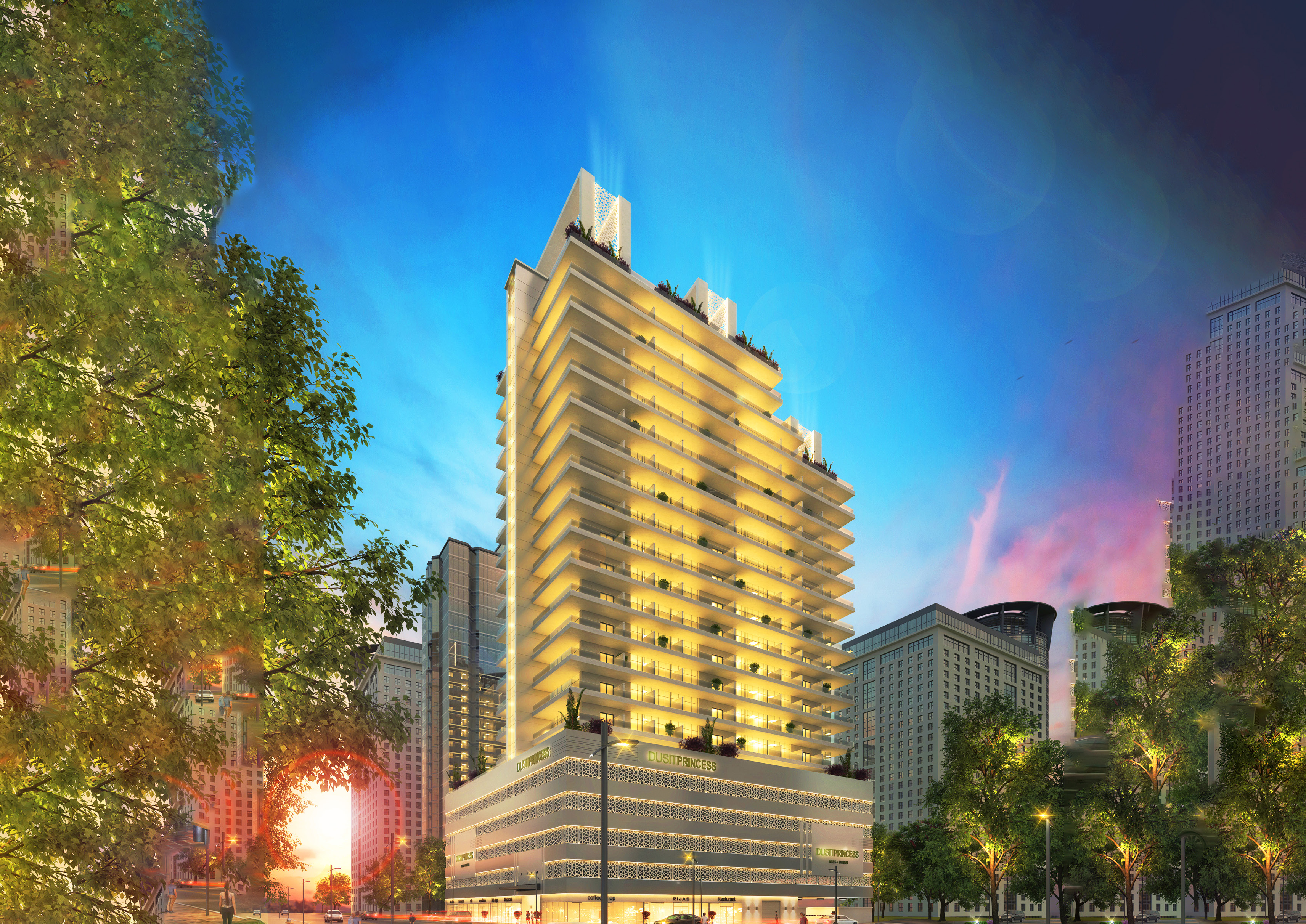
Dubai's property market, particularly its waterfront areas, has long been a magnet for luxury property investment. However, the significant price gap between Dubai and RAK offers a compelling case for investors seeking value and growth potential. According to the Dubai Land Department, the average price per square foot for off-plan properties in Dubai was AED 2,047 in Q1 2026, with ready properties averaging AED 1,713/sqft. In contrast, RAK properties, specifically on Hayat Island, range from AED 800 to AED 1,500/sqft, presenting a markedly more affordable entry point for investors.
| Area / Option | Price/sqft (AED) | Rental Yield | Capital Growth YoY |
|---|---|---|---|
| Hayat Island RAK | 800–1,100 | 6–8% | +18% (2025–2026) |
| Dubai Marina | 1,200–2,200 | 4–6% | +10% (2026) |
| Palm Jumeirah | 2,500–4,500 | 5–7% | +12% (2026) |
| JVC | 700–1,200 | 6–8% | +8% (2026) |
| Business Bay | 1,000–1,500 | 5–7% | +9% (2026) |
Source: Dubai Land Department, RAK Properties, ValuStrat Q1 2026
Deeper analysis / mechanics
The dynamics of property appreciation in RAK are underpinned by several factors. Firstly, the Emirate's strategic location between Dubai and the Northern Emirates positions it as a hub for both tourism and business. Infrastructure developments, such as the expansion of RAK International Airport and the upcoming Al Hamra Mall, further enhance its appeal. Additionally, RAK's focus on sustainable development, as seen in projects like Mina Al Arab and Al Marjan Island, aligns with global investment trends towards eco-friendly properties.
Secondly, RAK's regulatory environment is investor-friendly, with RERA ensuring transparency and protecting tenant rights. The Emirate's rent increase limits and trust account rules provide a stable investment climate. Moreover, RAK's property market is less saturated than Dubai's, offering greater potential for capital appreciation as demand grows.
Specific locations / examples with numbers
Hayat Island, with its AED 800–1,500/sqft price range, stands out as a prime investment opportunity within RAK. This man-made island is part of the larger Al Marjan Island development, which is set to become a major tourism and residential destination. Cape Hayat, a residential project on Hayat Island, is 86.5% complete (RAK Properties), indicating significant progress and a strong likelihood of on-time delivery, which is crucial for investor confidence.
Comparatively, properties on Palm Jumeirah and Dubai Marina, while offering premium waterfront living, come at a much higher cost, with prices ranging from AED 2,500 to AED 4,500/sqft and AED 1,200 to AED 2,200/sqft, respectively. These high prices, coupled with lower rental yields, make them less attractive from a pure investment perspective, especially when considering the potential growth in RAK.
Risk factors / what buyers miss / bear case
While the potential for appreciation in RAK is promising, investors should be aware of the risks. One significant factor is the market's sensitivity to global economic conditions, which can impact property prices and rental yields. Additionally, the relative newness of RAK's property market means it may be more volatile than Dubai's more established market.
Another consideration is the development timeline of major projects. While RAK Properties reports significant progress on Cape Hayat, delays in other developments could affect the overall growth trajectory. Investors should conduct thorough due diligence, focusing on the financial health of developers and the track record of project delivery.
What to do next / practical steps
For investors considering RAK, it's essential to work with a reputable brokerage with direct allocation on key projects. Sofia Sands Realty (sofiasandsrealty.ae, RERA 41793) holds direct allocation on Bay Views, Hayat Island, providing investors with access to prime properties in a growth market. Engaging with a knowledgeable broker can help navigate the market, assess risks, and identify properties with the highest potential for appreciation.
Frequently Asked Questions
How much cheaper is RAK property compared to Dubai Marina?
RAK properties, specifically on Hayat Island, are priced between AED 800 and AED 1,500/sqft, whereas Dubai Marina properties range from AED 1,200 to AED 2,200/sqft. This represents a significant price difference, offering investors in RAK a more affordable entry point. Source: Dubai Land Department, RAK Properties Q1 2026.
What is the rental yield for properties in RAK?
Rental yields in RAK, particularly on Hayat Island, range from 6% to 8%, which is higher than the 4% to 6% yields in Dubai Marina. This presents a more attractive return on investment for RAK property owners. Source: ValuStrat Q1 2026.
Is RAK a good investment for capital appreciation?
Yes, RAK shows strong potential for capital appreciation, with a year-on-year growth of +18% in 2025–2026. This growth, combined with the lower entry cost compared to Dubai, positions RAK as a compelling investment option for long-term capital gains. Source: ValuStrat Q1 2026.
What infrastructure developments are planned for RAK?
RAK has several significant infrastructure projects underway, including the expansion of RAK International Airport and the upcoming Al Hamra Mall. These developments are expected to boost the Emirate's appeal as a tourism and business hub, driving property demand and value. Source: RAK Government announcements.
How does RAK's regulatory environment compare to Dubai's?
RAK's regulatory environment, overseen by RERA, ensures transparency and protects tenant rights, similar to Dubai. The Emirate's rent increase limits and trust account rules provide a stable investment climate, making RAK an attractive destination for property investment. Source: RERA.
What are the risks associated with investing in RAK property?
The risks include market sensitivity to global economic conditions and the potential for volatility due to the relative newness of RAK's property market. Investors should conduct thorough due diligence, focusing on the financial health of developers and the track record of project delivery. Source: ValuStrat Q1 2026.
How do I get started with investing in RAK property?
To invest in RAK property, engage with a reputable brokerage like Sofia Sands Realty, which holds direct allocation on key projects such as Bay Views, Hayat Island. A knowledgeable broker can help navigate the market, assess risks, and identify properties with the highest potential for appreciation. Source: Sofia Sands Realty, RERA 41793.
What is the average price per square foot for off-plan properties in Dubai?
The average price per square foot for off-plan properties in Dubai was AED 2,047 in Q1 2026, according to the Dubai Land Department. This provides a benchmark for comparing investment opportunities between Dubai and RAK. Source: Dubai Land Department Q1 2026.