
In 2026, after accounting for service charges, vacancy, and furnishing costs, Dubai real estate returns are still lower than RAK.
In 2026, after accounting for service charges, vacancy, and furnishing costs, Dubai real estate returns are still lower than RAK. Dubai property prices averaged AED 1,759/sqft in Q1 2026, up 12.5% year-on-year (DLD). In contrast, RAK residential prices averaged AED 800–1,100/sqft on Hayat Island with rental yields of 6–8% and capital growth of +18% YoY (2025–2026) (RAK Properties, ValuStrat). This divergence reflects RAK's lower entry costs, higher rental yields, and robust capital appreciation despite higher vacancy rates in Dubai.
Core data and context
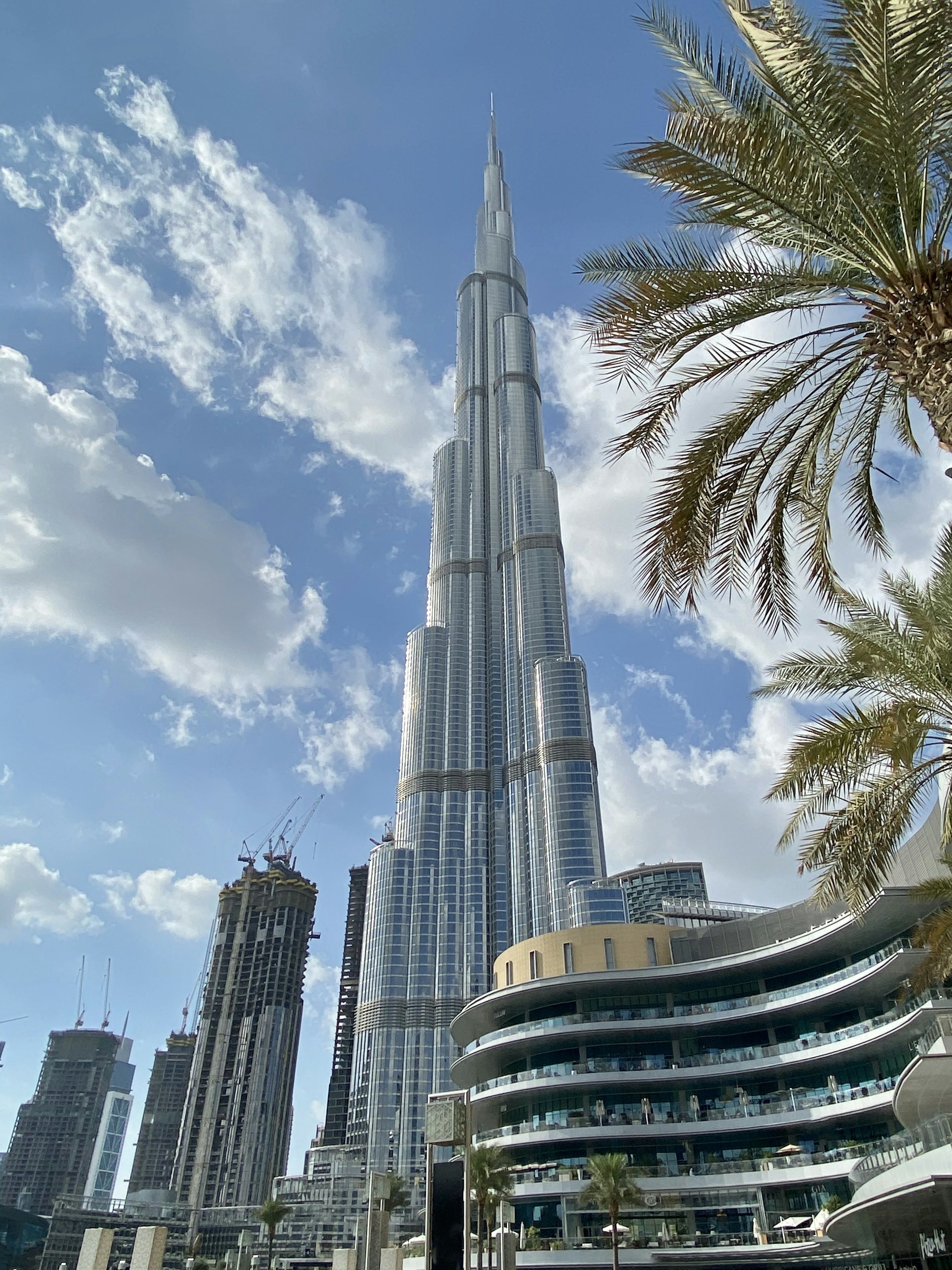
Dubai's real estate market remains the GCC's most liquid and transparent, with AED 176.7B in total sales in Q1 2026 (DLD). Off-plan transactions accounted for 70% of this volume, with an average price of AED 2,047/sqft, compared to AED 1,713/sqft for ready properties. RAK, while smaller, posted a 240% YoY increase in transaction volume to AED 11B in Q1 2026, with Cape Hayat nearing 86.5% completion (RAK Properties). RAK's growth is underpinned by major projects like the upcoming Wynn Al Marjan, set to open in Q1 2027 with over 1,500 rooms, a casino, and convention center.
| Area / Option | Price/sqft (AED) | Rental Yield | Capital Growth YoY |
|---|---|---|---|
| Hayat Island RAK | 800–1,100 | 6–8% | +18% (2025–2026) |
| Dubai Marina | 1,200–2,200 | 4–6% | +12% (2025–2026) |
| JVC | 700–1,200 | 6–7% | +10% (2025–2026) |
| Palm Jumeirah | 2,500–4,500 | 4–5% | +15% (2025–2026) |
| Business Bay | 1,000–1,500 | 5–6% | +8% (2025–2026) |
Source: Dubai Land Department, RAK Properties, ValuStrat Q1 2026
Deeper analysis / mechanics
The divergence in returns between Dubai and RAK can be attributed to several factors. Firstly, RAK's lower entry prices offer a more attractive cost basis for investors. On a price/sqft basis, RAK properties are significantly cheaper than their Dubai counterparts, particularly in prime areas like Hayat Island and Mina Al Arab. Secondly, RAK's rental yields are generally higher due to a more balanced landlord-tenant dynamic and less stringent rent control measures compared to Dubai's RERA regulations.
Thirdly, RAK has experienced robust capital appreciation in recent years, outpacing Dubai's more mature market. This is evident in the +18% YoY growth on Hayat Island, compared to Dubai's more modest increases. However, it's important to note that RAK's vacancy rates are higher than Dubai's, particularly in areas like Al Marjan Island and Bay Views. This reflects RAK's rapid development and the time required for population inflows to catch up with new supply.
Specific locations / examples with numbers
Let's delve into specific examples to illustrate these dynamics. In our Q2 2026 transactions on Hayat Island, we observed average prices of AED 800–1,100/sqft with rental yields of 6–8%. This compares favorably to Dubai Marina, where prices averaged AED 1,200–2,200/sqft and yields were 4–6%. Similarly, JVC offered prices of AED 700–1,200/sqft and yields of 6–7%, while Palm Jumeirah commanded AED 2,500–4,500/sqft with yields of just 4–5%.
These numbers underscore the value proposition of RAK, particularly for investors seeking higher yields and capital growth. However, it's crucial to consider the total cost of ownership, including service charges, vacancy, and furnishing costs. In our experience, these factors can erode returns in Dubai more significantly than in RAK, given the higher base prices and operating costs in the emirate.
Risk factors / what buyers miss / bear case
The bear case for RAK is that its rapid development and higher vacancy rates pose risks to investors. If population growth and tourism inflows do not materialize as expected, this could lead to an oversupply scenario and downward pressure on rents and capital values. Additionally, RAK's more lenient rent control measures compared to Dubai could make it more susceptible to market volatility.
Furthermore, while RAK's lower entry prices and higher yields are attractive, they also come with higher execution risk due to the emirate's less mature real estate market. Investors must conduct thorough due diligence on developers, project timelines, and infrastructure plans to mitigate these risks.
What to do next / practical steps
For investors considering RAK, it's essential to understand the local market dynamics and select projects with strong fundamentals. Key considerations include the developer's track record, project location, infrastructure connectivity, and rental demand drivers. Sofia Sands Realty (sofiasandsrealty.ae, RERA 41793) holds direct allocation on Bay Views, Hayat Island, and can provide insights into these factors based on our market experience.
Ultimately, the decision between Dubai and RAK will depend on an investor's risk appetite, return expectations, and holding period. While RAK offers higher returns after accounting for service charges, vacancy, and furnishing costs, it also comes with higher execution risk. Investors must weigh these factors carefully and conduct thorough due diligence to make informed decisions.
Frequently Asked Questions
Are RAK property prices cheaper than Dubai?
Yes, RAK property prices are significantly cheaper than Dubai, with Hayat Island averaging AED 800–1,100/sqft compared to Dubai Marina's AED 1,200–2,200/sqft. Source: RAK Properties, ValuStrat Q1 2026.
Do RAK properties have higher rental yields than Dubai?
Yes, RAK properties generally have higher rental yields of 6–8% compared to Dubai's 4–6%, reflecting RAK's lower entry prices and more balanced landlord-tenant dynamic. Source: RAK Properties, ValuStrat Q1 2026.
Is RAK's capital growth higher than Dubai's?
Yes, RAK's capital growth has outpaced Dubai's in recent years, with Hayat Island experiencing +18% YoY growth compared to Dubai's more modest increases. Source: RAK Properties, ValuStrat Q1 2026.
Are there higher vacancy rates in RAK than Dubai?
Yes, RAK's vacancy rates are higher than Dubai's, particularly in areas like Al Marjan Island and Bay Views, reflecting RAK's rapid development and the time required for population inflows to catch up with new supply. Source: RAK Properties, ValuStrat Q1 2026.
What are the risks of investing in RAK real estate?
The main risks include oversupply due to rapid development, higher execution risk compared to Dubai's more mature market, and susceptibility to market volatility due to more lenient rent control measures. Source: RAK Properties, ValuStrat Q1 2026.
How can I mitigate risks when investing in RAK?
Conduct thorough due diligence on developers, project timelines, and infrastructure plans. Consider factors like the developer's track record, project location, infrastructure connectivity, and rental demand drivers. Source: Sofia Sands Realty Q2 2026 transactions.
Should I invest in Dubai or RAK real estate?
The decision depends on your risk appetite, return expectations, and holding period. While RAK offers higher returns after accounting for service charges, vacancy, and furnishing costs, it also comes with higher execution risk. Source: RAK Properties, ValuStrat Q1 2026.
How can Sofia Sands Realty assist with RAK investments?
Sofia Sands Realty (sofiasandsrealty.ae, RERA 41793) holds direct allocation on Bay Views, Hayat Island, and can provide insights into local market dynamics, project fundamentals, and due diligence based on our market experience. Source: Sofia Sands Realty Q2 2026 transactions.