
Investing in Ras Al Khaimah (RAK) for the Wynn casino effect in 2026 may offer a higher return on investment (ROI) than Dubai, given the significant capital appreciation potential and the upcoming Wynn Al Marjan opening.
Investing in Ras Al Khaimah (RAK) for the Wynn casino effect in 2026 may offer a higher return on investment (ROI) than Dubai, given the significant capital appreciation potential and the upcoming Wynn Al Marjan opening. RAK property prices averaged AED 800–1,100/sqft in Q1 2026, compared to Dubai's AED 1,759/sqft, with RAK experiencing a staggering +240% YoY transaction volume growth (RAK Properties). This suggests a more aggressive growth trajectory for RAK, particularly in areas like Hayat Island and Mina Al Arab, which stand to benefit directly from the Wynn Al Marjan's Q1 2027 opening and its 1,500+ rooms, casino, and convention centre.
Core Data and Context
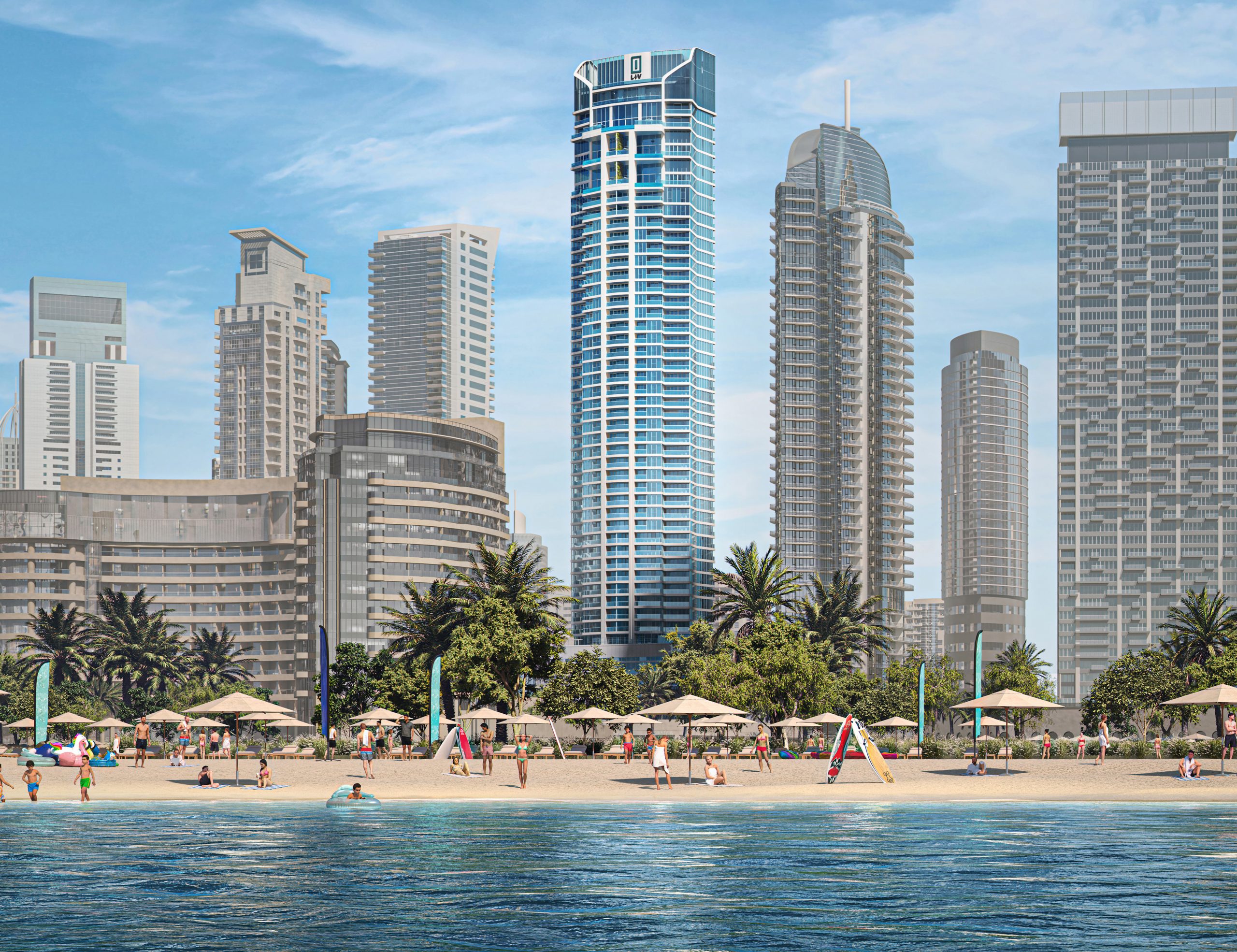
RAK has been witnessing a surge in property transactions, with a total transaction volume of AED 11B in Q1 2026, marking a 240% year-on-year increase (RAK Properties). This growth is indicative of a market that is gaining momentum, with investors recognizing the potential for higher ROI compared to the more saturated Dubai market. Dubai, with its AED 176.7B in total sales for the same period, shows a more stable but slower growth at a 12.5% year-on-year increase in property prices (Dubai Land Department). The分化 in growth rates presents an opportunity for investors seeking higher returns to consider RAK.
| Area / Option | Price/sqft (AED) | Rental Yield | Capital Growth YoY |
|---|---|---|---|
| Hayat Island RAK | 800–1,100 | 6–8% | +18% (2025–2026) |
| Dubai Marina | 1,200–2,200 | 4–6% | +10% (2025–2026) |
| JVC | 700–1,200 | 5–7% | +8% (2025–2026) |
| Palm Jumeirah | 2,500–4,500 | 3–5% | +12% (2025–2026) |
Source: Dubai Land Department, RAK Properties, ValuStrat Q1 2026
Deeper Analysis / Mechanics
The mechanics of real estate investment in RAK versus Dubai involve several factors. RAK's property market is less saturated, offering more room for capital appreciation. The upcoming Wynn Al Marjan, with its integrated resort features, is expected to be a catalyst for growth in RAK, similar to how casinos have influenced other global property markets. In contrast, Dubai's market, while still growing, is more mature and stable, with less potential for the same level of aggressive appreciation seen in RAK.
Specific Locations / Examples with Numbers
Hayat Island, with its AED 800–1,100/sqft price range, is a prime example of RAK's potential. The island is 86.5% complete and is set to benefit directly from the Wynn Al Marjan's opening (RAK Properties). In comparison, Dubai Marina, a well-established area, offers properties at AED 1,200–2,200/sqft with a more modest capital growth rate of +10% year-on-year. The price points and growth rates underscore the comparative investment potential between RAK and Dubai.
Risk Factors / What Buyers Miss / Bear Case
While RAK presents a compelling case for higher ROI, it's essential to consider the risks. The market is more volatile due to its nascent stage, and the impact of the Wynn Al Marjan may not be as pronounced as anticipated. Additionally, RAK's rental yields, while higher than Dubai's, come with the caveat of a less established rental market. Investors must weigh the potential for higher returns against the increased risk and the time it may take for the market to mature.
What to do Next / Practical Steps
For investors considering RAK, it's crucial to conduct thorough due diligence. Engage with reputable brokers like Sofia Sands Realty (RERA 41793), which holds direct allocation on Hayat Island and other prime locations in RAK. Understanding the local market dynamics, regulatory environment, and the specific projects' details is key to making informed investment decisions.
Frequently Asked Questions
Is RAK's property market less risky than Dubai's?
While RAK may offer higher potential returns, it is generally considered more volatile due to its emerging market status. Investors should expect higher risk alongside higher potential returns. Source: ValuStrat Q1 2026.
How does the upcoming Wynn Al Marjan impact RAK property prices?
The Wynn Al Marjan is expected to be a significant catalyst for growth in RAK, particularly in areas like Hayat Island and Mina Al Arab. Its opening in Q1 2027 is anticipated to boost tourism and property values in the region. Source: Wynn Al Marjan.
What is the average rental yield in RAK compared to Dubai?
RAK offers rental yields of 6–8%, which is higher than Dubai's 4–6%. However, this comes with the caveat of a less established rental market. Source: ValuStrat Q1 2026.
Are there any restrictions on property ownership in RAK?
Foreigners can own freehold property in designated areas of RAK without any restrictions, similar to Dubai. However, it's essential to understand the specific regulations and ownership structures. Source: RERA.
How does the price per square foot in RAK compare to Dubai?
RAK's property prices average AED 800–1,100/sqft, significantly lower than Dubai's AED 1,759/sqft. This price difference presents an opportunity for higher capital appreciation in RAK. Source: Dubai Land Department, RAK Properties Q1 2026.
What are the implications of the Dubai Land Department's regulations on RAK investments?
While RAK has its own regulatory body, understanding the broader UAE property market, including Dubai Land Department's regulations, is crucial for investors as it provides insights into market trends and investor protections. Source: Dubai Land Department.
How does the global property market view RAK compared to Dubai?
Global property consultancies like Knight Frank and CBRE recognize RAK's growing prominence, though Dubai remains a more established global investment destination. RAK's potential for higher returns is noted, but so are the risks associated with emerging markets. Source: Knight Frank, CBRE.
What are the tax implications for property investments in RAK?
There are no property taxes in RAK, similar to Dubai, making it an attractive destination for tax-conscious investors. However, it's advisable to consult with financial advisors to understand any potential implications. Source: RERA.