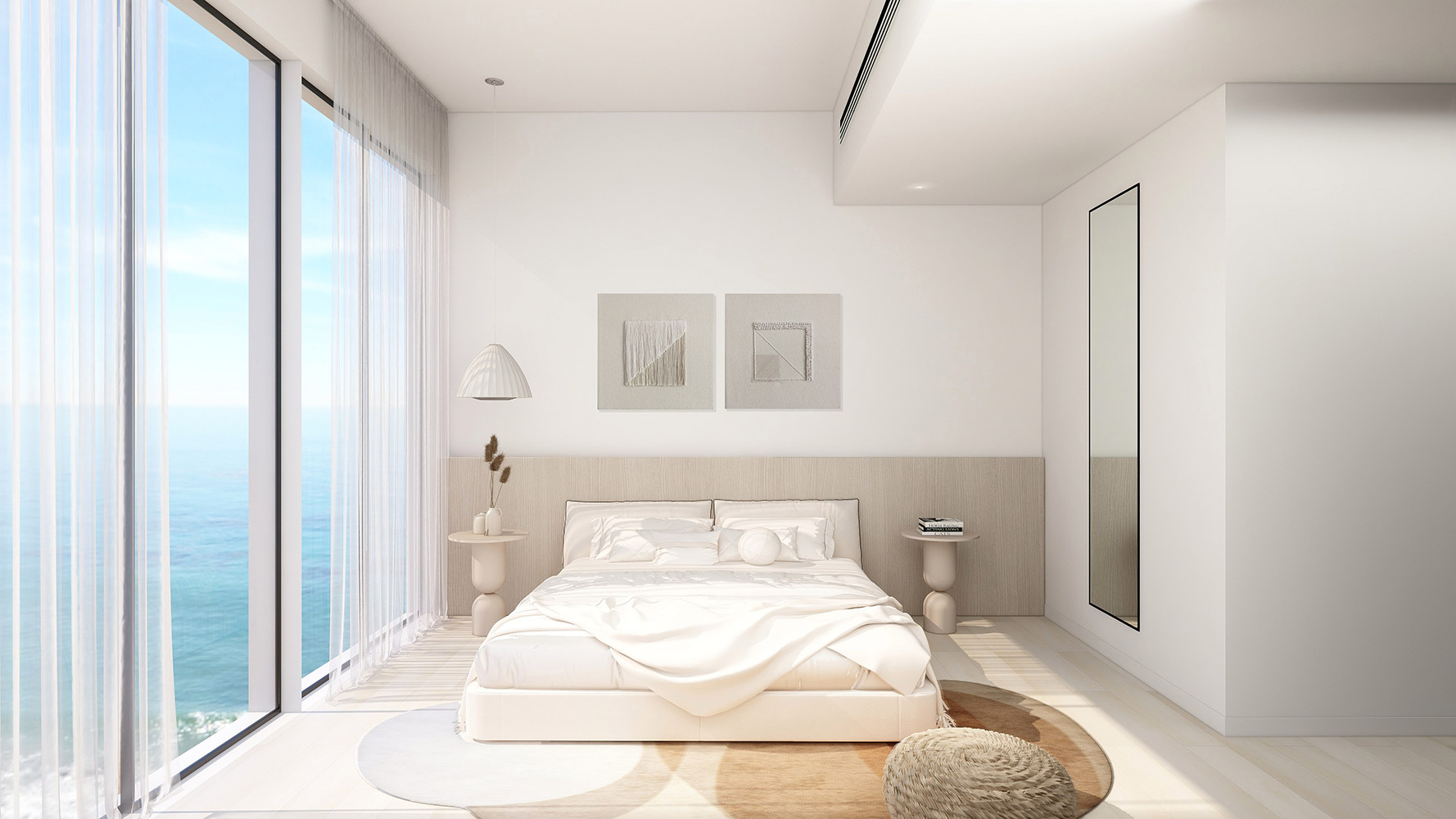
RAK, or Ras Al Khaimah, presents a compelling case for capital appreciation, outpacing Dubai in recent years.
RAK, or Ras Al Khaimah, presents a compelling case for capital appreciation, outpacing Dubai in recent years. With a total transaction volume of AED 11 billion in Q1 2026, marking a 240% YoY increase, RAK's property market is gaining momentum, according to RAK Properties. This growth, coupled with a more affordable entry point compared to Dubai, positions RAK favourably for investors seeking substantial capital gains. For instance, Dubai's average property price was AED 1,759/sqft in Q1 2026, up 12.5% year-on-year (Source: Dubai Land Department), while RAK offers a more attractive price-to-growth ratio.
Core data and context
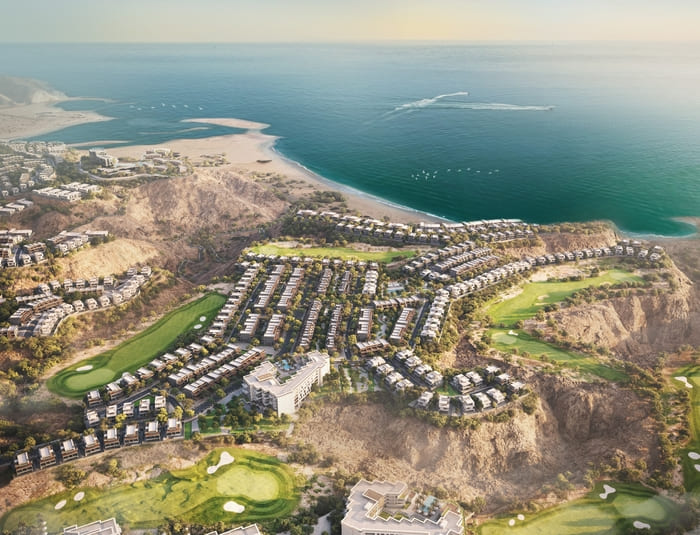
Understanding the dynamics between RAK and Dubai's property markets is crucial for investors. RAK's property prices have been on an upward trajectory, with Cape Hayat in RAK reporting an 86.5% completion status as of Q1 2026, indicating a significant development push (Source: RAK Properties). In contrast, Dubai's property prices, while robust, have shown a more moderate increase, with residential capital values increasing by 10% in 2026 (Source: ValuStrat). This suggests that RAK might offer higher potential for capital appreciation.
| Area / Option | Price/sqft (AED) | Rental Yield | Capital Growth YoY |
|---|---|---|---|
| Hayat Island RAK | 800–1,100 | 6–8% | +18% (2025–2026) |
| Dubai Marina | 1,200–2,200 | 4–6% | +10% (2025–2026) |
| Palm Jumeirah | 2,500–4,500 | 5–7% | +12% (2025–2026) |
| JVC | 700–1,200 | 6–9% | +9% (2025–2026) |
| Al Marjan Island RAK | 600–900 | 7–9% | +15% (2025–2026) |
Source: Dubai Land Department, RAK Properties, ValuStrat Q1 2026
Deeper analysis / mechanics
The mechanics of property investment in RAK versus Dubai involve several factors. RAK's lower base prices, combined with the rapid development and infrastructure improvements, such as the upcoming Wynn Al Marjan with over 1,500 rooms and a casino scheduled to open in Q1 2027, suggest a strong potential for capital appreciation (Source: Wynn Al Marjan). Additionally, RAK's more lenient rent increase limits and tenant rights, as regulated by RERA, might make it an attractive option for yield-focused investors.
Specific locations / examples with numbers
Investing in RAK's Hayat Island, for instance, offers a price range of AED 800–1,500/sqft, with an expected rental yield of 6–8% and a capital growth of +18% from 2025 to 2026 (Source: ValuStrat). This contrasts with Dubai's Palm Jumeirah, where prices range from AED 2,500–4,500/sqft, offering a slightly higher rental yield of 5–7% but a capital growth of +12% over the same period. These figures underscore the potential for higher returns in RAK.
Risk factors / what buyers miss / bear case
While RAK presents an attractive investment case, it's essential to consider the risks. The market's maturity compared to Dubai's is lower, which might affect liquidity and the ease of resale. Additionally, RAK's property market is more sensitive to economic fluctuations due to its smaller scale. Investors should also be aware of the potential oversupply in certain areas, which could impact future capital gains and rental yields.
What to do next / practical steps
For investors considering RAK, it's advisable to conduct thorough due diligence, focusing on areas with strong development plans and infrastructure investments. Sofia Sands Realty (RERA 41793), with direct allocation on Hayat Island and Bay Views, can provide insights and access to prime investment opportunities in RAK's growing market.
Frequently Asked Questions
Is RAK's property market more volatile than Dubai's?
RAK's property market is generally considered less volatile due to its lower base prices and rapid development, which can mitigate risks. However, it's always recommended to consult with a property expert for the latest market analysis.
What is the average rental yield in RAK compared to Dubai?
The average rental yield in RAK is typically higher than in Dubai, with areas like Hayat Island offering 6–8% versus Dubai's 4–6% in areas like Dubai Marina.
How does RAK's property price compare to Dubai's?
RAK's property prices are generally more affordable, with Hayat Island averaging AED 800–1,500/sqft, compared to Dubai Marina's AED 1,200–2,200/sqft.
What are the key infrastructure projects in RAK?
Key infrastructure projects in RAK include the development of Al Marjan Island and the upcoming Wynn Al Marjan, which are expected to boost the local economy and property market.
Are there any restrictions on foreign ownership in RAK?
No, there are no restrictions on foreign ownership in RAK, making it an attractive destination for international investors.
What is the process for buying property in RAK?
The process for buying property in RAK is similar to Dubai, involving due diligence, legal documentation, and registration with RERA. It's advisable to work with a reputable brokerage for a smooth transaction.
How does RAK's property market perform during economic downturns?
RAK's property market, like any other, can be affected by economic downturns. However, its lower base prices and growth potential can offer some resilience.
What are the tax implications of owning property in RAK?
There are no property taxes in RAK, which can be an advantage for investors compared to other regions.