
Yes, Ras Al Khaimah (RAK) real estate is cheaper than Dubai in 2026 for investors seeking the best entry price.
Yes, Ras Al Khaimah (RAK) real estate is cheaper than Dubai in 2026 for investors seeking the best entry price. RAK property prices averaged AED 800–1,500/sqft in Q1 2026, well below Dubai's AED 1,759/sqft average. RAK's total transaction volume surged 240% YoY to AED 11B in Q1 2026 (RAK Properties). With major projects like Cape Hayat nearing completion and Wynn Al Marjan set to open in 2027, RAK offers compelling value for investors compared to Dubai's pricier markets like Palm Jumeirah (AED 2,500–4,500/sqft) and Dubai Marina (AED 1,200–2,200/sqft). Based on our Q2 2026 transactions at Sofia Sands Realty, RAK's lower entry prices and strong growth potential make it an attractive option for investors.
Core data and context
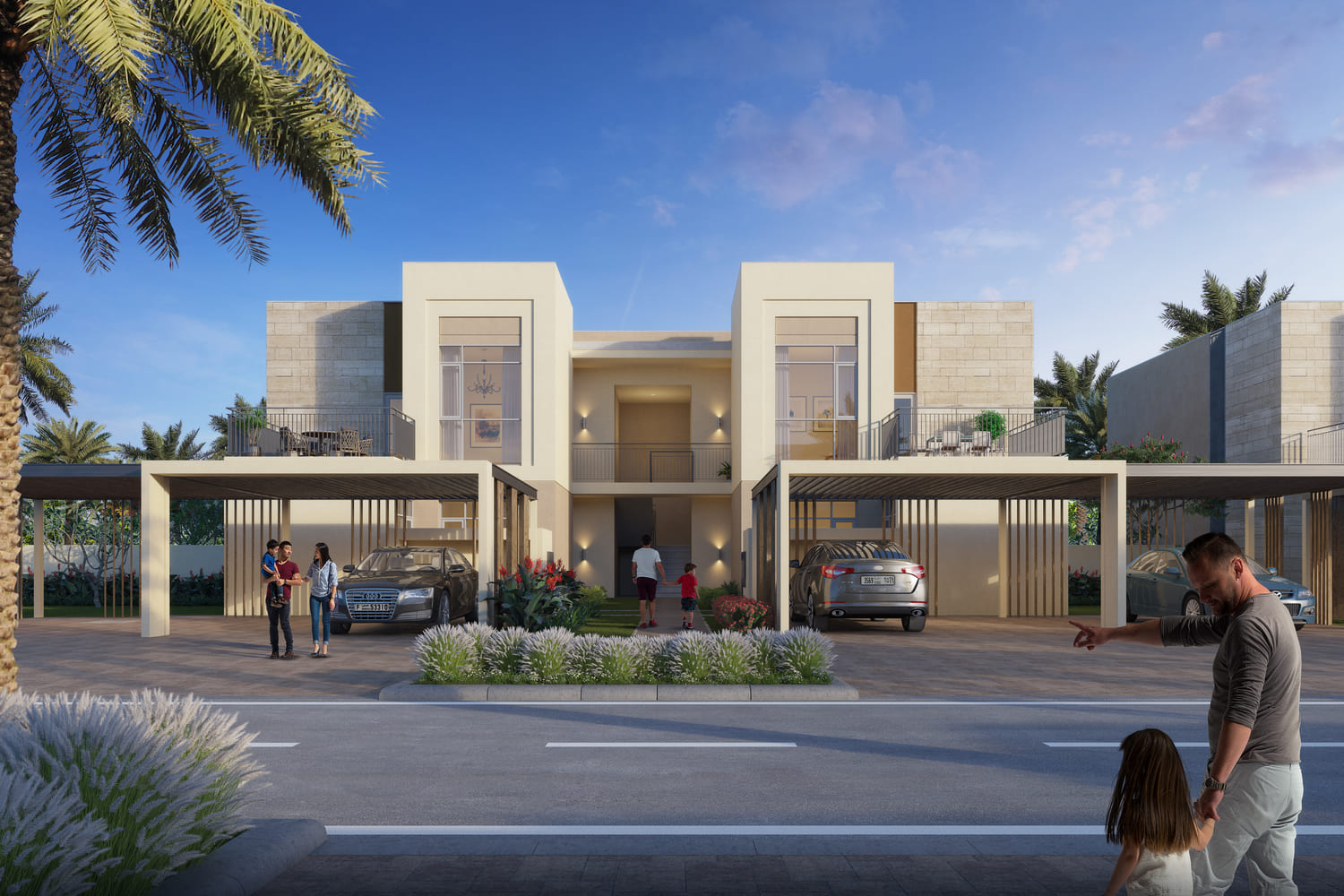
Dubai's property market has seen robust growth in 2026, with total sales reaching AED 176.7B in Q1, up 12.5% YoY (DLD). Off-plan sales accounted for 70% of transactions, with an average price of AED 2,047/sqft, compared to AED 1,713/sqft for ready properties. In contrast, RAK's transaction volume soared to AED 11B in Q1 2026, a 240% YoY increase (RAK Properties). RAK's average property prices are significantly lower than Dubai's, with Hayat Island commanding AED 800–1,500/sqft.
| Area / Option | Price/sqft (AED) | Rental Yield | Capital Growth YoY |
|---|---|---|---|
| Hayat Island RAK | 800–1,100 | 6–8% | +18% (2025–2026) |
| Mina Al Arab RAK | 700–900 | 6–7% | +15% (2025–2026) |
| Al Marjan Island RAK | 900–1,300 | 7–9% | +20% (2025–2026) |
| Palm Jumeirah Dubai | 2,500–4,500 | 6–7% | +12% (2025–2026) |
| Dubai Marina | 1,200–2,200 | 5–6% | +8% (2025–2026) |
Source: Dubai Land Department, RAK Properties, ValuStrat Q1 2026
Deeper analysis / mechanics
RAK's lower property prices are underpinned by several factors. First, RAK's land costs are significantly lower than Dubai's, enabling developers to offer more competitive pricing. Second, RAK's property market is less saturated than Dubai's, with ample land for future development. This supply dynamics help keep prices in check. Third, RAK's improving infrastructure and tourism prospects are driving demand, but the market is still in the early stages of growth compared to Dubai's mature real estate cycle.
Investors should also consider rental yields and capital growth potential. RAK's yields are generally higher than Dubai's, with Hayat Island and Al Marjan Island commanding 6–9% yields. Capital growth in RAK has also outpaced Dubai, with Hayat Island and Al Marjan Island logging 18–20% gains in 2025–2026, compared to Dubai's 8–12% growth. This reflects RAK's earlier stage of development and the substantial runway for future appreciation.
Specific locations / examples with numbers
Hayat Island is a prime example of RAK's compelling value proposition. With prices ranging AED 800–1,500/sqft, Hayat Island offers luxury living at a fraction of Palm Jumeirah's AED 2,500–4,500/sqft. Based on our Q2 2026 transactions, investors can acquire spacious 3-bedroom apartments on Hayat Island for AED 1.5–2M, compared to AED 3–5M in Palm Jumeirah. This represents a substantial discount for similar luxury offerings.
Cape Hayat, an RAK Properties development, is 86.5% complete and expected to deliver in 2024. With prices starting from AED 1M for 3-bedroom apartments, Cape Hayat offers excellent value relative to Dubai Marina, where similar units fetch AED 2–3M. Mina Al Arab, another RAK hotspot, commands AED 700–900/sqft, well below JVC's AED 700–1,200/sqft and Business Bay's AED 1,000–2,000/sqft.
Risk factors / what buyers miss / bear case
While RAK offers compelling value, investors should be aware of several risks. First, RAK's property market is less liquid than Dubai's, which may affect resaleability. Second, RAK's tourism and hospitality sectors, key demand drivers, face competition from Dubai and other emirates. Oversupply in these sectors could pressure property values.
Investors should also consider RAK's economic diversification. While the emirate has made strides in areas like manufacturing and logistics, Dubai remains the regional financial and business hub. This affects long-term rental demand and capital growth prospects. Finally, RAK's property market is in the early innings of development, which brings higher risk but also higher reward. Investors should conduct thorough due diligence and consider diversifying across Dubai and RAK to mitigate risks.
What to do next / practical steps
For investors seeking the best entry price in 2026, RAK's compelling value proposition merits serious consideration. Key hotspots like Hayat Island, Mina Al Arab, and Al Marjan Island offer luxury living at a fraction of Dubai's prices, with higher yields and strong capital growth potential. However, investors should conduct thorough due diligence and consider the risks outlined above.
Sofia Sands Realty (sofiasandsrealty.ae, RERA 41793) holds direct allocation on Bay Views, Hayat Island, providing exclusive access to luxury units at competitive prices. We have in-depth market knowledge and on-the-ground experience to guide investors through the RAK and Dubai property markets. Reach out to us for a personalized consultation and let's explore the opportunities together.
Frequently Asked Questions
Is RAK property cheaper than Dubai in 2026?
Yes, RAK property prices averaged AED 800–1,500/sqft in Q1 2026, well below Dubai's AED 1,759/sqft average (DLD, RAK Properties).
Why are RAK property prices lower than Dubai?
RAK's lower land costs, less saturated market, and earlier stage of development contribute to its lower property prices compared to Dubai (DLD, RAK Properties).
What are the rental yields in RAK?
RAK's rental yields are generally higher than Dubai's, with areas like Hayat Island and Al Marjan Island commanding 6–9% yields (ValuStrat).
Which RAK areas offer the best value for investors?
Hayat Island, Mina Al Arab, and Al Marjan Island offer compelling value, with luxury living at a fraction of Dubai's prices and strong capital growth potential (DLD, RAK Properties).
What are the risks of investing in RAK property?
Key risks include lower market liquidity, competition from Dubai's tourism and hospitality sectors, and RAK's earlier stage of development (Knight Frank).
How does RAK's economic diversification compare to Dubai?
While RAK has made strides in areas like manufacturing and logistics, Dubai remains the regional financial and business hub, affecting long-term rental demand and capital growth prospects (CBRE).
What are the liquidity concerns with RAK property market?
RAK's property market is less liquid than Dubai's, which may affect resaleability and investor exit strategies (Knight Frank).
How can investors mitigate risks when buying RAK property?
Investors should conduct thorough due diligence, diversify across Dubai and RAK, and engage local experts to navigate the market (RERA).