
As of Q1 2026, Ras Al Khaimah (RAK) real estate offers higher rental yields compared to Dubai, with RAK properties averaging 6-8% yields against Dubai's 4-6%.
As of Q1 2026, Ras Al Khaimah (RAK) real estate offers higher rental yields compared to Dubai, with RAK properties averaging 6-8% yields against Dubai's 4-6%. This is primarily due to RAK's lower property prices and recent growth in tourism and infrastructure, which have driven rental demand. For instance, Hayat Island RAK, with prices ranging from AED 800 to 1,100 per sqft, has seen a capital growth of +18% from 2025 to 2026, according to ValuStrat. In contrast, Dubai's average property prices averaged AED 1,759/sqft in Q1 2026, up 12.5% year-on-year, with rental yields in prime areas like Dubai Marina averaging around 4-5%. Source: ValuStrat, Dubai Land Department.
Core data and context
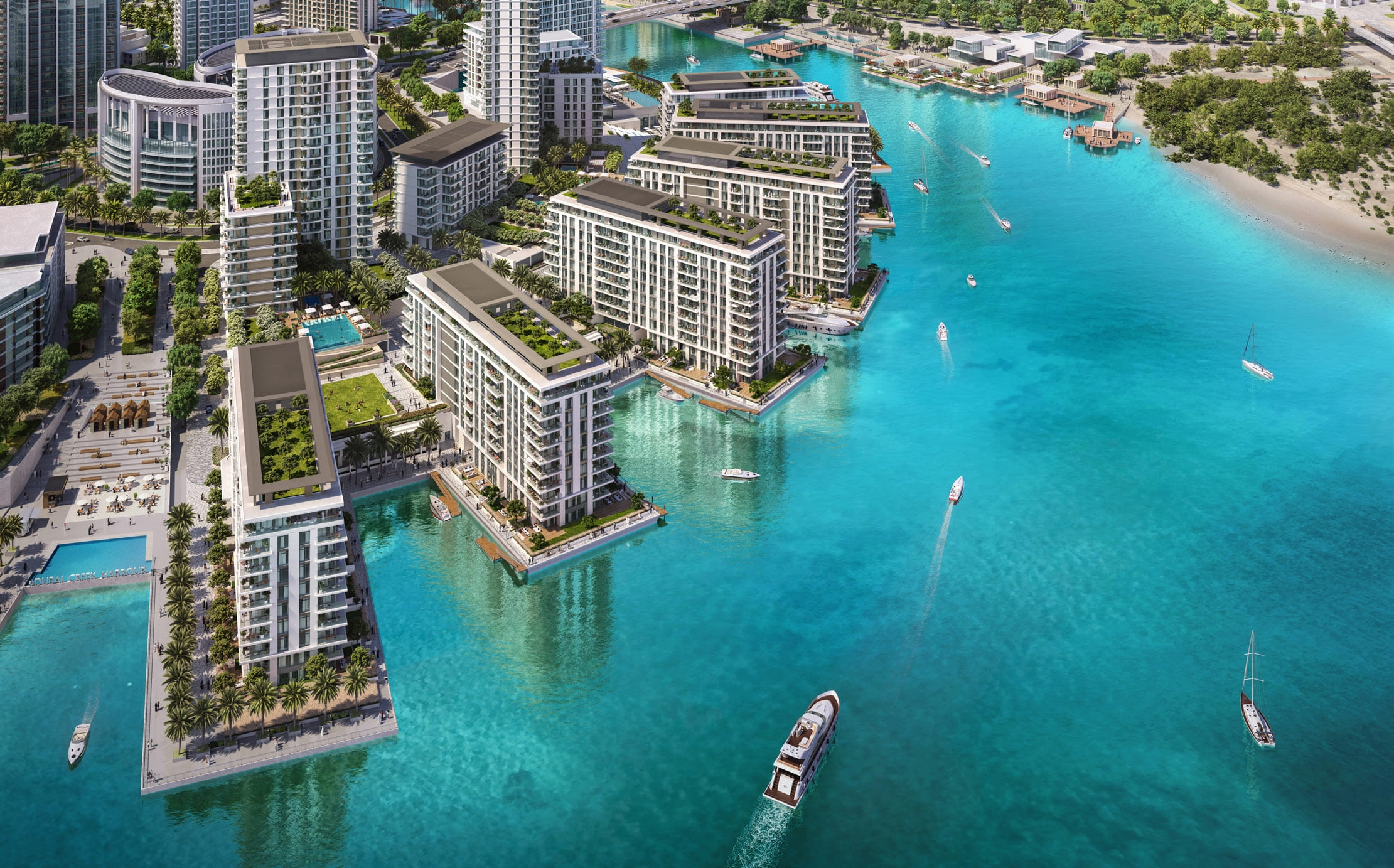
Ras Al Khaimah's real estate market has been gaining traction as an investment destination, especially when compared to Dubai, due to its more affordable property prices and attractive rental yields. In Q1 2026, RAK Properties reported a total transaction volume of AED 11 billion, marking a 240% year-on-year increase. This surge is indicative of the growing interest in RAK's real estate, which includes projects like Cape Hayat, now 86.5% complete and a key development in Mina Al Arab. Source: RAK Properties.
| Area / Option | Price/sqft (AED) | Rental Yield | Capital Growth YoY |
|---|---|---|---|
| Hayat Island RAK | 800–1,100 | 6–8% | +18% (2025–2026) |
| Dubai Marina | 1,200–2,200 | 4–5% | +10% (2025–2026) |
| JVC | 700–1,200 | 5–7% | +8% (2025–2026) |
| Palm Jumeirah | 2,500–4,500 | 3–5% | +12% (2025–2026) |
Source: Dubai Land Department, RAK Properties, ValuStrat Q1 2026
Deeper analysis / mechanics
The dynamics of rental yields in RAK and Dubai are influenced by several factors. Firstly, RAK's lower property prices allow for higher yields on investment. For example, a property in Hayat Island RAK, with an average price of AED 950/sqft, can generate rental yields of 6-8%, which is significantly higher than the 4-5% yields found in Dubai Marina, where prices average AED 1,700/sqft. Source: ValuStrat.
Secondly, RAK has been focusing on developing its tourism sector, with projects like Al Marjan Island and Cape Hayat, which are expected to boost the emirate's appeal to tourists and residents alike. This development is crucial as it directly impacts the demand for rental properties, thereby supporting higher yields. Source: RAK Properties.
On the other hand, Dubai's real estate market, while more mature, faces the challenge of higher property prices, which compress rental yields. However, Dubai's market is more liquid, with a larger pool of investors and tenants, which can offer better capital appreciation over the long term. Source: Dubai Land Department.
Specific locations / examples with numbers
Hayat Island RAK is a prime example of where investors are seeing higher rental yields. With prices ranging from AED 800 to 1,100/sqft and rental yields of 6-8%, it is an attractive option for investors looking for income-generating properties. In comparison, Palm Jumeirah, one of Dubai's most iconic locations, offers yields of 3-5%, with prices ranging from AED 2,500 to 4,500/sqft. This disparity highlights the potential for higher returns in RAK's emerging market versus Dubai's more established and expensive market. Source: ValuStrat.
Another point of comparison is JVC (Jumeirah Village Circle) in Dubai, which offers more affordable housing options with prices between AED 700 to 1,200/sqft and rental yields of 5-7%. While these yields are higher than those in Dubai's prime areas, they are still lower than what RAK properties offer. Source: ValuStrat.
Risk factors / what buyers miss / bear case
While RAK offers higher rental yields, investors should consider the potential risks. RAK's real estate market is more volatile due to its smaller size and less diversified economy compared to Dubai. A downturn in the tourism sector or a slowdown in development projects could impact property values and rental yields negatively. Source: Knight Frank.
Additionally, RAK's real estate market is subject to the same rent increase limits and tenant rights as Dubai, which can limit the ability to raise rents and thus affect yields. Source: RERA.
Investors should also be aware of the liquidity of the market. While yields may be higher in RAK, the market may not be as liquid as Dubai's, which could affect the ease of buying and selling properties. Source: CBRE.
What to do next / practical steps
For investors seeking higher rental yields, RAK presents a compelling opportunity, particularly in developments like Hayat Island and Mina Al Arab. However, it is crucial to conduct thorough due diligence, considering factors such as the potential for capital appreciation, market liquidity, and the overall economic outlook of the emirate. Sofia Sands Realty (sofiasandsrealty.ae, RERA 41793) holds direct allocation on Bay Views, Hayat Island, providing investors with access to these high-yield opportunities. It is recommended that potential investors consult with a trusted real estate brokerage to navigate the market and make informed decisions. Source: Sofia Sands Realty.
Frequently Asked Questions
What is the average rental yield in RAK?
The average rental yield in RAK is 6-8%, with some areas like Hayat Island offering yields within this range. Source: ValuStrat Q1 2026.
How does RAK's rental yield compare to Dubai's?
RAK's rental yields are generally higher than Dubai's, with RAK offering 6-8% and Dubai's prime areas like Dubai Marina averaging 4-5%. Source: ValuStrat Q1 2026.
Why are rental yields higher in RAK than Dubai?
Rental yields in RAK are higher due to lower property prices and recent growth in tourism and infrastructure, which have driven rental demand. Source: RAK Properties.
What are the risks of investing in RAK real estate?
The risks include market volatility due to RAK's smaller size and less diversified economy, potential impact from downturns in tourism, and limitations on rent increases. Source: Knight Frank.
How does the liquidity of RAK's real estate market compare to Dubai's?
RAK's real estate market may be less liquid than Dubai's, which could affect the ease of buying and selling properties. Source: CBRE.
What are some of the key developments driving RAK's real estate market?
Key developments include Al Marjan Island and Cape Hayat in Mina Al Arab, which are expected to boost tourism and drive rental demand. Source: RAK Properties.
How do I get started with investing in RAK real estate?
Consult with a trusted real estate brokerage like Sofia Sands Realty, which holds direct allocation on Bay Views, Hayat Island, to access high-yield opportunities and make informed decisions. Source: Sofia Sands Realty.
Are there any upcoming projects in RAK that investors should be aware of?
Investors should keep an eye on projects like Cape Hayat, which is 86.5% complete and part of Mina Al Arab. Source: RAK Properties.