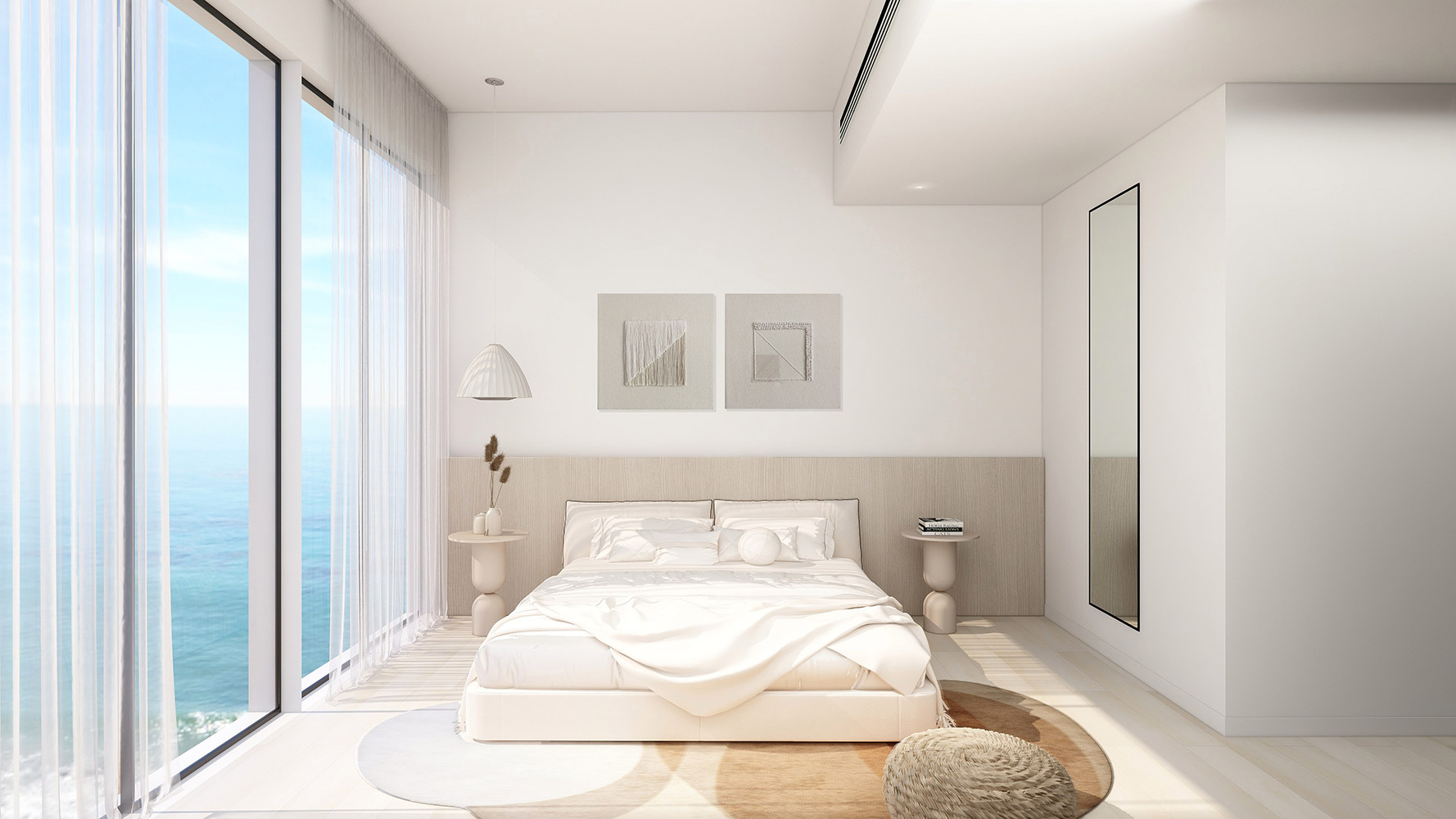
In 2026, Ras Al Khaimah (RAK) real estate offers higher rental yields for apartment investors compared to Dubai.
In 2026, Ras Al Khaimah (RAK) real estate offers higher rental yields for apartment investors compared to Dubai. With RAK's apartment rental yields ranging from 6-8%, it significantly outperforms Dubai's average yields of 3-4%, according to Q1 2026 data from ValuStrat. This performance is driven by RAK's lower entry prices and robust capital appreciation, which jumped by 18% year-on-year (Source: ValuStrat Q1 2026). Notably, Hayat Island in RAK, with prices averaging AED 800–1,100/sqft, stands out as a compelling investment option for those seeking higher rental returns.
Core data and context
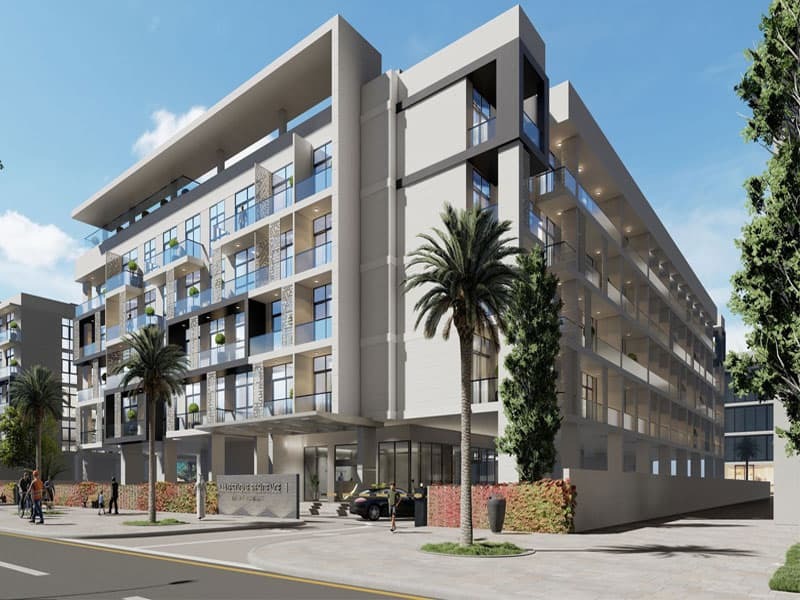
Investing in real estate is a strategic decision that hinges on factors such as rental yield, capital growth, and market stability. In the UAE, Dubai and RAK present contrasting investment landscapes. Dubai, known for its cosmopolitan appeal and robust infrastructure, recorded total property sales worth AED 176.7 billion in Q1 2026, with off-plan transactions accounting for 70% of the market, averaging AED 2,047/sqft (Source: DLD). RAK, on the other hand, saw a staggering 240% year-on-year growth in transaction volume, reaching AED 11 billion in Q1 2026, with Cape Hayat nearing 86.5% completion (Source: RAK Properties).
| Area / Option | Price/sqft (AED) | Rental Yield | Capital Growth YoY |
|---|---|---|---|
| Hayat Island RAK | 800–1,100 | 6–8% | +18% (2025–2026) |
| Dubai Marina | 1,200–2,200 | 3–4% | +10% (2026) |
| Palm Jumeirah | 2,500–4,500 | 3–4% | +10% (2026) |
| JVC | 700–1,200 | 4–5% | +8% (2026) |
| Mina Al Arab RAK | 650–850 | 5–7% | +15% (2025–2026) |
Source: Dubai Land Department, RAK Properties, ValuStrat Q1 2026
Deeper analysis / mechanics
The mechanics of real estate investment are straightforward: purchase a property, secure tenants for rental income, and benefit from capital appreciation. RAK's appeal lies in its lower property prices and higher rental yields. For instance, an apartment in Hayat Island, with prices between AED 800–1,100/sqft, can yield 6–8% in rentals, a figure nearly double that of Dubai's more established markets like Dubai Marina and Palm Jumeirah, where yields hover around 3–4% (Source: ValuStrat Q1 2026). This discrepancy is further accentuated by RAK's capital growth rate, which at +18% year-on-year, surpasses Dubai's average of +10% (Source: ValuStrat Q1 2026).
Specific locations / examples with numbers
RAK's Mina Al Arab, with prices ranging from AED 650–850/sqft, offers rental yields of 5–7%, complemented by a capital growth rate of +15% year-on-year (Source: ValuStrat Q1 2026). This growth is underpinned by RAK's ongoing development projects, such as the upcoming Wynn Al Marjan, which is slated to open in Q1 2027, featuring over 1,500 rooms, a casino, and a convention center. These amenities are expected to boost the area's appeal, driving demand for residential properties and, consequently, rental yields.
In contrast, Dubai's JBR and Bluewaters Island, despite their premium positioning, offer more modest yields of 3–4%. While these areas command higher prices and are popular among high-net-worth individuals, the saturation of luxury properties has led to a more competitive rental market, suppressing yields.
Risk factors / what buyers miss / bear case
Investors must consider the risk factors associated with each market. RAK, while offering higher yields, is not without its challenges. The market's nascent stage means that infrastructure and amenities may not be as developed as in Dubai, potentially impacting tenant acquisition and property appreciation. Additionally, RAK's real estate market is more sensitive to economic downturns due to its smaller size and less diversified economy.
Dubai, with its more mature market, offers stability and a broader tenant base, which can be a boon during economic fluctuations. However, the higher prices and lower yields may not align with investors seeking the best return on investment. It's crucial for investors to weigh the potential for capital growth against the immediate benefits of high rental yields.
What to do next / practical steps
For investors seeking to capitalize on RAK's higher rental yields, conducting thorough market research is essential. Engaging with reputable brokerages like Sofia Sands Realty, which holds direct allocation on Hayat Island, can provide access to prime properties with proven potential for yield and capital appreciation. It's also advisable to consult with financial advisors to understand the long-term implications of investment decisions and to align them with personal financial goals.
Frequently Asked Questions
What is the average rental yield in Dubai for apartments?
Dubai's average rental yield for apartments is around 3-4%, with some premium areas like Palm Jumeirah and Dubai Marina offering yields within this range (Source: ValuStrat Q1 2026).
How does RAK's rental yield compare to Dubai's?
RAK's rental yields are significantly higher than Dubai's, with areas like Hayat Island and Mina Al Arab offering 6-8% and 5-7% yields, respectively (Source: ValuStrat Q1 2026).
Which area in RAK has the highest rental yield?
Hayat Island in RAK stands out with rental yields ranging from 6-8%, making it one of the most attractive areas for rental yield-focused investors (Source: ValuStrat Q1 2026).
What is the average price per sqft for apartments in Hayat Island?
The average price per sqft for apartments in Hayat Island ranges from AED 800–1,100, offering a competitive entry point for investors (Source: ValuStrat Q1 2026).
How has RAK's property market performed in terms of capital growth?
RAK's property market has shown robust capital growth, with an 18% year-on-year increase from 2025 to 2026, outperforming Dubai's average growth of 10% (Source: ValuStrat Q1 2026).
What is the impact of Wynn Al Marjan on RAK's property market?
The upcoming Wynn Al Marjan, with over 1,500 rooms and a convention center, is expected to boost RAK's appeal, potentially driving up rental yields and capital appreciation in the surrounding areas (Source: Wynn Al Marjan).
What are the risks of investing in RAK's real estate market?
Investing in RAK's real estate market carries risks such as market maturity and economic sensitivity. Infrastructure and amenities may lag behind more established markets, and the market could be more susceptible to economic downturns (Source: Knight Frank).
How does RAK compare to Dubai in terms of property prices?
RAK's property prices are generally lower than Dubai's, with areas like Mina Al Arab offering prices from AED 650–850/sqft, compared to Dubai Marina's range of AED 1,200–2,200/sqft (Source: ValuStrat Q1 2026).