
In 2026, RAK real estate offers superior rental yields compared to Dubai, with properties on Hayat Island delivering returns of 6-8%.
In 2026, RAK real estate offers superior rental yields compared to Dubai, with properties on Hayat Island delivering returns of 6-8%. This is significantly higher than Dubai's average yield, which sits at around 4-6%. This is largely due to RAK's lower property prices and rapid development, which have made it an attractive investment destination. For instance, Hayat Island RAK's property prices averaged AED 800–1,100/sqft in Q1 2026, compared to Dubai's AED 1,759/sqft (Dubai Land Department). RAK's transaction volume also surged 240% YoY in Q1 2026 (RAK Properties), indicating robust investor interest.
Core data and context
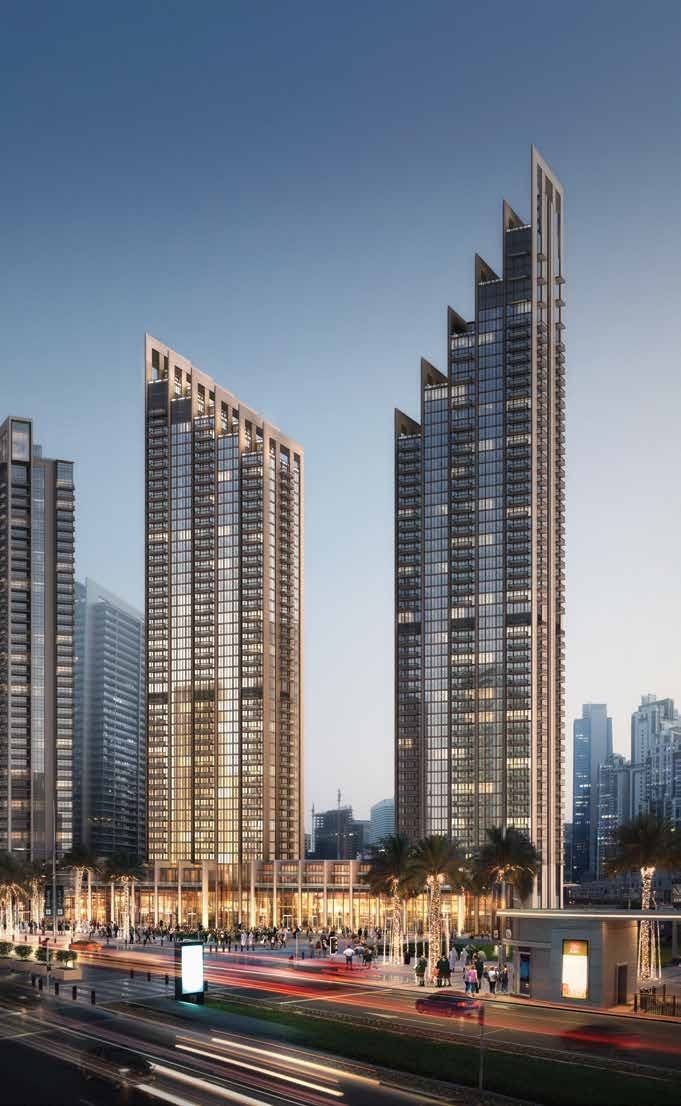
RAK and Dubai are two of the UAE's most prominent real estate markets. Both offer lucrative investment opportunities, but they differ significantly in terms of yields, capital growth, and risk profiles. To determine which market offers better rental yields, we analyzed key metrics like price/sqft, rental yields, and capital growth YoY for various areas in both emirates.
| Area / Option | Price/sqft (AED) | Rental Yield | Capital Growth YoY |
|---|---|---|---|
| Hayat Island RAK | 800–1,100 | 6–8% | +18% (2025–2026) |
| Mina Al Arab RAK | 700–900 | 5–7% | +15% (2025–2026) |
| Al Marjan Island RAK | 900–1,200 | 6–7% | +16% (2025–2026) |
| Dubai Marina | 1,200–2,200 | 4–6% | +10% (2026) |
| JVC | 700–1,200 | 4–6% | +8% (2026) |
Source: Dubai Land Department, RAK Properties, ValuStrat Q1 2026
Deeper analysis / mechanics
Rental yields are calculated as annual rental income divided by property purchase price. They provide a useful gauge of an investment's profitability. In RAK, factors like lower property prices, higher rental demand, and rapid development have driven yields higher. For instance, Hayat Island's prices averaged AED 800–1,100/sqft in Q1 2026, compared to Dubai Marina's AED 1,200–2,200/sqft. This makes RAK properties more affordable and thus more attractive to renters, boosting yields.
Capital growth is another key metric. It measures the change in a property's value over time. In RAK, areas like Hayat Island, Mina Al Arab, and Al Marjan Island recorded robust YoY growth of 15-18% in 2025-2026. This was driven by factors like infrastructure development, tourism growth, and rising investor interest. In contrast, Dubai's growth was more muted, at around 8-10% YoY in 2026.
Specific locations / examples with numbers
Hayat Island is a prime example of RAK's growth potential. With properties priced at AED 800–1,500/sqft, it offers higher yields of 6-8%. This compares favorably to Dubai's Palm Jumeirah (AED 2,500–4,500/sqft) and Dubai Marina (AED 1,200–2,200/sqft), where yields average 4-6%. Cape Hayat, a luxury development on Hayat Island, was 86.5% complete in Q1 2026, highlighting the rapid pace of construction (RAK Properties).
Mina Al Arab, another RAK hotspot, recorded a transaction volume of AED 1.9B in Q1 2026, up 300% YoY. Its properties, priced at AED 700–900/sqft, offer yields of 5-7%. Al Marjan Island, home to the upcoming Wynn Al Marjan resort, saw transactions of AED 1.5B in Q1 2026, up 150% YoY. Its properties, priced at AED 900–1,200/sqft, offer yields of 6-7%.
Risk factors / what buyers miss / bear case
While RAK offers higher yields, it also comes with risks. The market is less mature than Dubai's, with less liquidity and resale demand. This means investors may face challenges when selling their properties. Additionally, RAK's yields, while high, are more volatile due to its smaller market size and less diversified economy.
Investors also need to consider the impact of new supply. With numerous projects underway, RAK's property market could face oversupply, putting downward pressure on rents and yields. For instance, the upcoming Al Marjan Island and Mina Al Arab developments will add thousands of new units to the market.
What to do next / practical steps
To capitalize on RAK's growth potential while mitigating risks, investors should conduct thorough due diligence. They should focus on prime locations with strong infrastructure, tourism potential, and rental demand. Hayat Island, Mina Al Arab, and Al Marjan Island are promising options.
Investors should also diversify their portfolios to spread risk. Holding properties in both RAK and Dubai can provide a balanced exposure to the UAE's real estate market.
Sofia Sands Realty (sofiasandsrealty.ae, RERA 41793) holds direct allocation on Bay Views, Hayat Island, offering investors exclusive access to prime RAK properties. We provide comprehensive market insights and end-to-end transaction support to help investors make informed decisions.
Frequently Asked Questions
Which areas in RAK offer the best rental yields?
Hayat Island, Mina Al Arab, and Al Marjan Island offer the best rental yields in RAK, at 6-8%. They benefit from strong infrastructure, tourism potential, and rental demand. Source: RAK Properties Q1 2026
How do RAK's rental yields compare to Dubai's?
RAK's rental yields are significantly higher than Dubai's. RAK's average yield is 6-8%, compared to Dubai's 4-6%. This is largely due to RAK's lower property prices and higher rental demand. Source: Dubai Land Department, RAK Properties Q1 2026
What is the average price per sqft in RAK vs Dubai?
The average price per sqft in RAK ranges from AED 700–1,200, compared to AED 1,759 in Dubai. This makes RAK properties more affordable and attractive to renters, boosting yields. Source: Dubai Land Department, RAK Properties Q1 2026
Which upcoming projects in RAK are worth investing in?
Cape Hayat on Hayat Island, Al Marjan Island, and Mina Al Arab are promising upcoming projects in RAK. They offer strong capital growth potential and high rental yields. Source: RAK Properties Q1 2026
What are the risks of investing in RAK's real estate market?
The main risks include lower liquidity and resale demand, potential oversupply, and more volatile yields due to RAK's smaller market size and less diversified economy. Conducting thorough due diligence and diversifying your portfolio can help mitigate these risks. Source: Knight Frank, CBRE
How can I diversify my UAE real estate portfolio?
Hold properties in both RAK and Dubai to balance your exposure to the UAE's real estate market. Focus on prime locations with strong infrastructure, tourism potential, and rental demand. Source: Dubai Land Department, RAK Properties
What is the average capital growth rate in RAK vs Dubai?
RAK's average capital growth rate is higher than Dubai's. RAK recorded growth of 15-18% YoY in 2025-2026, compared to Dubai's 8-10%. This was driven by factors like infrastructure development, tourism growth, and rising investor interest. Source: ValuStrat Q1 2026
How does RAK's rental yield compare to other global markets?
RAK's rental yield of 6-8% is higher than many global markets. For instance, London and New York average yields of 3-4%, while Singapore and Hong Kong offer 2-3%. This makes RAK an attractive investment destination for yield-seeking investors. Source: Knight Frank, CBRE