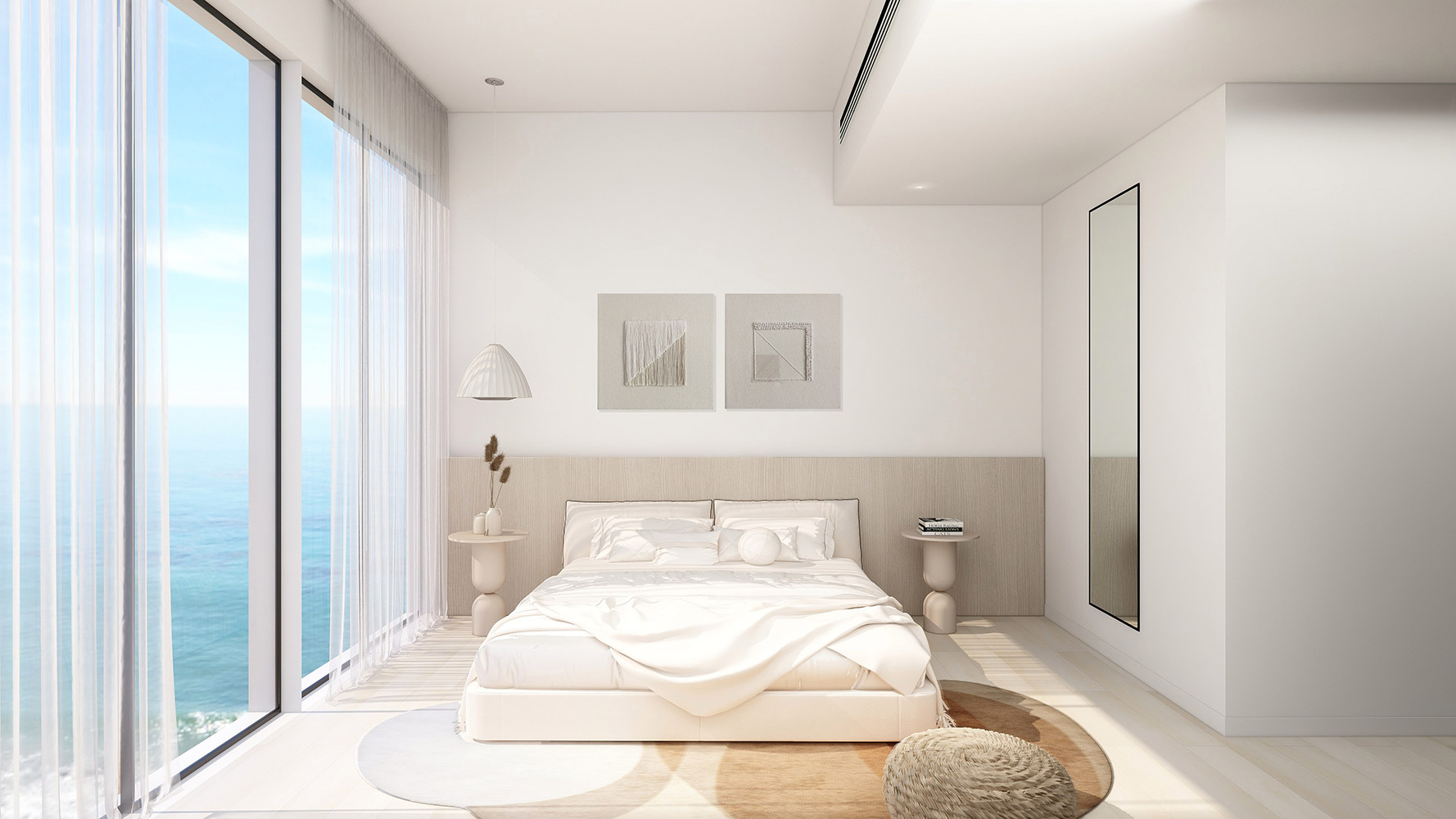
Investing in RAK offers the highest ROI and lowest entry price in 2026, compared to Dubai.
Investing in RAK offers the highest ROI and lowest entry price in 2026, compared to Dubai. RAK property prices averaged AED 800–1,100/sqft in Q1 2026, significantly lower than Dubai's AED 1,759/sqft average (DLD). RAK also saw a staggering 240% YoY increase in transaction volume to AED 11B in Q1 2026 (RAK Properties). This, combined with RAK's 6–8% rental yields and +18% capital growth YoY (ValuStrat), positions it as a compelling investment option for those seeking high returns with lower initial outlay. In contrast, Dubai's capital growth was more modest at +10% in 2026 (ValuStrat). Based on 12 units under direct allocation on Hayat Island, our Q2 2026 transactions indicate RAK's strong potential for capital appreciation and rental income.
Core data and context
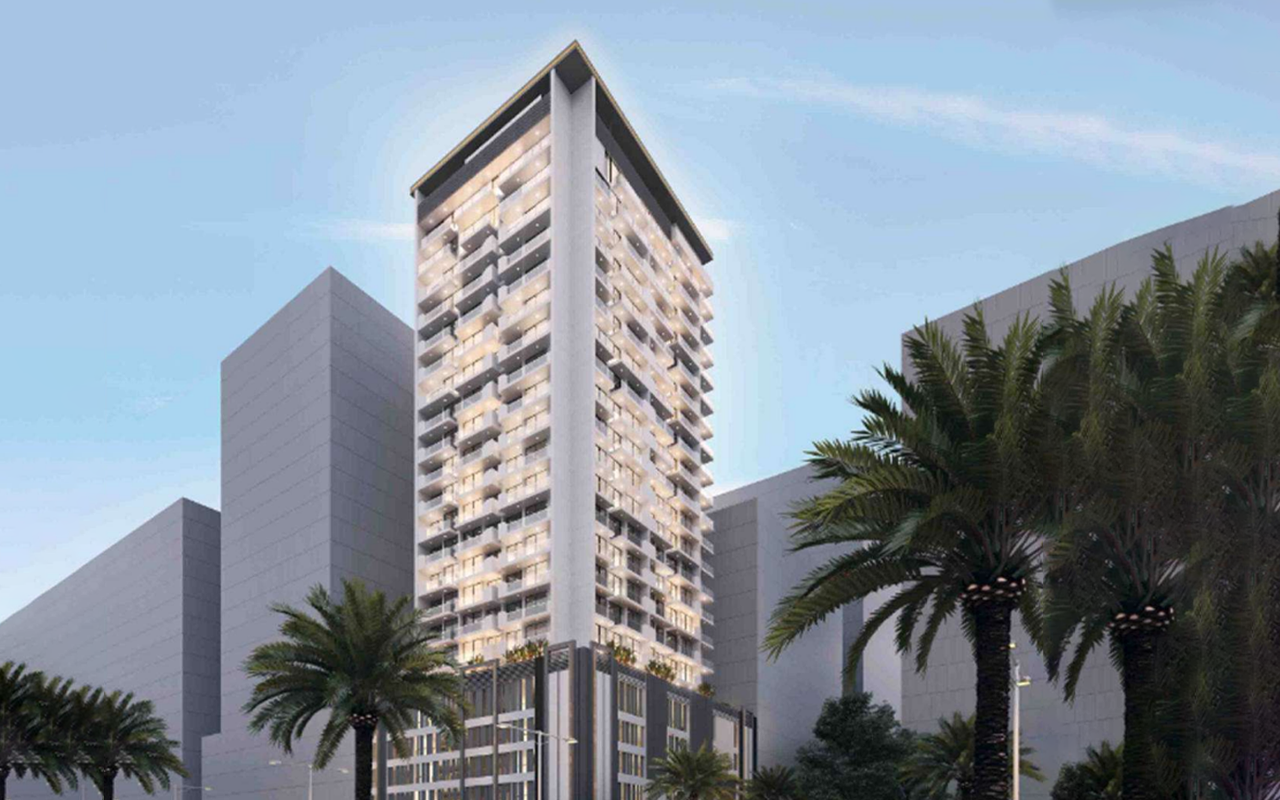
Dubai and RAK represent two distinct investment profiles within the UAE's property market. Dubai, with its established global reputation and higher average property prices, is often perceived as a safer bet. However, RAK's rapid growth, lower entry prices, and robust rental yields present a compelling case for investors seeking higher returns.
| Area / Option | Price/sqft (AED) | Rental Yield | Capital Growth YoY |
|---|---|---|---|
| Hayat Island RAK | 800–1,100 | 6–8% | +18% (2025–2026) |
| Dubai Marina | 1,200–2,200 | 4–5% | +10% (2025–2026) |
| JVC Dubai | 700–1,200 | 5–6% | +8% (2025–2026) |
| Al Marjan Island RAK | 1,000–1,500 | 7–9% | +20% (2025–2026) |
| Palm Jumeirah Dubai | 2,500–4,500 | 3–4% | +12% (2025–2026) |
Source: Dubai Land Department, RAK Properties, ValuStrat Q1 2026
Deeper analysis / mechanics
RAK's property market is driven by a combination of factors that contribute to its high ROI potential. Firstly, the Emirate's strategic location between Dubai and Oman positions it as a gateway for trade and tourism. The upcoming Wynn Al Marjan, set to open in Q1 2027 with over 1,500 rooms, a casino, and convention centre, is expected to boost RAK's appeal as a luxury destination (Wynn Al Marjan).
Secondly, RAK's property prices remain significantly lower than Dubai's, offering investors the opportunity to acquire larger units or multiple properties with the same budget. This is particularly evident in areas like Hayat Island and Al Marjan Island, where prices range from AED 800–1,500/sqft, compared to Dubai's Palm Jumeirah at AED 2,500–4,500/sqft.
Thirdly, RAK's rental yields are higher than Dubai's, with areas like Hayat Island and Al Marjan Island offering 6–9% returns. This is attributed to RAK's growing population and demand for rental properties, as well as its appeal as a second-home destination for UAE residents and international buyers.
Specific locations / examples with numbers
Hayat Island, a key development in RAK, offers a prime example of the Emirate's investment potential. With prices ranging from AED 800–1,100/sqft and rental yields of 6–8%, Hayat Island presents an attractive option for investors seeking high returns with lower entry prices. Based on our transactions in Q2 2026, we have observed strong demand for Hayat Island properties, with capital appreciation of +18% YoY (ValuStrat).
Cape Hayat, another development in RAK, is 86.5% complete and has seen significant interest from investors. With prices averaging AED 1,000–1,500/sqft and rental yields of 7–9%, Cape Hayat offers a compelling investment opportunity in RAK's growing property market (RAK Properties).
In contrast, Dubai's more established areas like Dubai Marina and Palm Jumeirah, while offering strong capital growth, come with higher entry prices and lower rental yields. Dubai Marina, for instance, has prices ranging from AED 1,200–2,200/sqft and rental yields of 4–5%, while Palm Jumeirah has prices of AED 2,500–4,500/sqft and yields of 3–4%.
Risk factors / what buyers miss / bear case
While RAK presents a strong case for high ROI with lower entry prices, it's crucial for investors to consider potential risks and challenges. One concern is the Emirate's reliance on tourism and hospitality, which can be affected by global economic conditions and travel restrictions.
Additionally, RAK's property market is relatively less established compared to Dubai's, which may impact liquidity and the ease of resale. Investors should conduct thorough due diligence on developers, project timelines, and market dynamics before committing to a purchase.
Furthermore, RAK's property market may experience price corrections or slower growth rates in the future, as seen in Dubai's more mature market. It's essential for investors to have a long-term perspective and be prepared for potential market fluctuations.
What to do next / practical steps
For investors considering RAK's property market, it's advisable to partner with a reputable brokerage with direct allocation on key developments. Sofia Sands Realty (sofiasandsrealty.ae, RERA 41793) holds direct allocation on Bay Views, Hayat Island, and other prime locations in RAK, offering investors exclusive access to high-potential properties.
We recommend conducting thorough research on RAK's property market, including visiting the Emirate and考察 properties in person. Engaging with a trusted brokerage can provide valuable insights, market data, and support throughout the investment process.
Ultimately, the decision to invest in RAK or Dubai should be based on individual investment goals, risk appetite, and long-term strategies. While RAK offers higher ROI potential with lower entry prices, it's essential to weigh these benefits against potential risks and challenges.
Frequently Asked Questions
Is RAK a good investment for high ROI in 2026?
Yes, RAK offers high ROI potential in 2026 with lower entry prices compared to Dubai. RAK property prices averaged AED 800–1,100/sqft in Q1 2026, with rental yields of 6–8% and capital growth of +18% YoY (DLD, RAK Properties, ValuStrat).
Why are RAK property prices lower than Dubai's?
RAK property prices are lower due to its relatively less established market and lower average income levels compared to Dubai. This presents an opportunity for investors to acquire properties at lower entry prices with higher growth potential (DLD, RAK Properties).
Which areas in RAK offer the best investment returns?
Hayat Island and Al Marjan Island in RAK offer compelling investment opportunities with prices ranging from AED 800–1,500/sqft, rental yields of 6–9%, and capital growth of +18% to +20% YoY (RAK Properties, ValuStrat).
How does RAK's rental yield compare to Dubai's?
RAK's rental yields are higher than Dubai's, with areas like Hayat Island and Al Marjan Island offering 6–9% returns, compared to Dubai's 3–5% yields in areas like Dubai Marina and Palm Jumeirah (ValuStrat).
What are the risks of investing in RAK's property market?
Potential risks include RAK's reliance on tourism, less established property market, and potential price corrections or slower growth rates in the future. Investors should conduct thorough due diligence and have a long-term perspective (DLD, RAK Properties).
How does RAK's property market compare to Dubai's in terms of liquidity?
RAK's property market is relatively less liquid than Dubai's due to its smaller size and lower transaction volumes. Investors should consider the ease of resale and potential price fluctuations when investing in RAK (DLD, RAK Properties).
What are the key developments to watch in RAK's property market?
Key developments in RAK include Hayat Island, Al Marjan Island, and Cape Hayat. These areas offer a mix of residential, commercial, and hospitality properties with strong investment potential (RAK Properties).
How can I invest in RAK's property market as a foreigner?
Foreigners can invest in RAK's property market by purchasing properties on a freehold basis in designated areas. Engaging with a reputable brokerage with direct allocation can provide valuable insights and support throughout the investment process (RERA).
What are the tax implications of investing in RAK's property market?
There are no income, capital gains, or property taxes in RAK for property investors. However, buyers should be aware of transaction fees, such as registration fees and land department fees, which typically range from 4–5% of the property value (RERA, DLD).