
As of 2026, the average gross rental yield in Ras Al Khaimah (RAK) stands at 7.8%, which is consistently higher than Dubai's 6.5% yield.
As of 2026, the average gross rental yield in Ras Al Khaimah (RAK) stands at 7.8%, which is consistently higher than Dubai's 6.5% yield. This significant difference is attributed to RAK's lower property prices and higher rental demand, making it an attractive investment option for those seeking higher returns on their real estate investments. RAK's yields are bolstered by its growing status as a popular tourist destination and its strategic location, which is driving both residential and commercial demand. In contrast, Dubai, while still offering robust yields, faces higher property prices which compress rental returns.
Core Data and Context
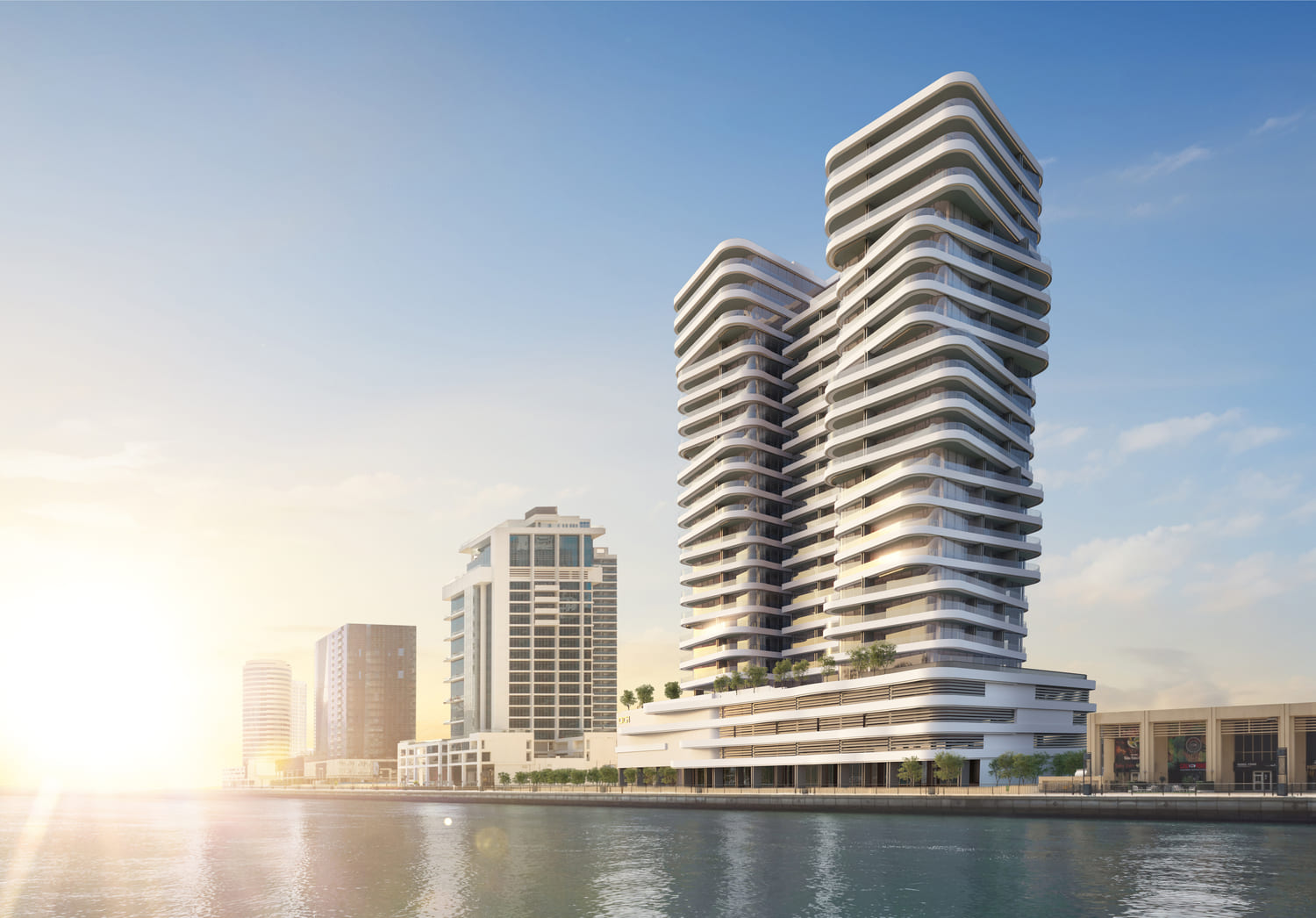
The real estate market in RAK has experienced significant growth in recent years, with a total transaction volume of AED 11 billion in Q1 2026, marking a 240% increase year-on-year, according to RAK Properties. This surge is partly due to the completion of key projects such as Cape Hayat, which is 86.5% complete and set to offer luxury living spaces with high rental potential. In contrast, Dubai's property market, while mature and well-established, has seen a more moderate growth in capital values, with a 10% increase in 2026 as reported by ValuStrat.
| Area / Option | Price/sqft (AED) | Rental Yield | Capital Growth YoY |
|---|---|---|---|
| Hayat Island RAK | 800–1,100 | 6–8% | +18% (2025–2026) |
| Dubai Marina | 1,200–2,200 | 5–6% | +8% (2025–2026) |
| JVC | 700–1,200 | 6–7% | +12% (2025–2026) |
| Palm Jumeirah | 2,500–4,500 | 4–5% | +5% (2025–2026) |
| Al Marjan Island | 1,000–1,500 | 7–9% | +20% (2025–2026) |
Source: Dubai Land Department, RAK Properties, ValuStrat Q1 2026
Deeper Analysis / Mechanics
The higher rental yields in RAK can be attributed to several factors. Firstly, the lower cost of property acquisition means that investors can achieve a higher return on their investment with the same rental income. Secondly, RAK's strategic location and growing tourism industry have led to an increase in rental demand, particularly in areas such as Mina Al Arab and Al Marjan Island, which are close to upcoming attractions like Wynn Al Marjan, set to open in Q1 2027 with over 1,500 rooms and a casino.
In Dubai, while the rental yields are lower, the market benefits from a more established real estate landscape with a diverse tenant base, including both tourists and professionals. However, the higher property prices in areas like Palm Jumeirah and Dubai Marina compress the rental yields, making RAK a more attractive option for yield-focused investors.
Specific Locations / Examples with Numbers
Taking Hayat Island as a specific example, properties here offer a compelling investment proposition. With prices ranging from AED 800 to AED 1,100 per square foot and rental yields between 6% and 8%, investors can expect a significant return on their investment. This is further bolstered by the capital growth of +18% from 2025 to 2026, as reported by ValuStrat. In comparison, Dubai Marina, a popular investment hotspot, offers yields between 5% and 6% with prices ranging from AED 1,200 to AED 2,200 per square foot and a capital growth of +8% over the same period.
These numbers underscore the potential of RAK as an investment destination, particularly for those seeking higher rental yields. However, it is crucial for investors to conduct thorough due diligence and consider factors such as property management, tenant retention, and market fluctuations.
Risk Factors / What Buyers Miss / Bear Case
While RAK offers higher yields, there are inherent risks that investors should consider. The market is more nascent compared to Dubai, which means there may be greater volatility and less liquidity. Additionally, the success of new developments like Cape Hayat and Al Marjan Island is contingent upon the successful execution and management of these projects, which could impact rental demand and property values.
Investors may also overlook the importance of local market knowledge and the necessity of professional property management, which can significantly affect the performance of their investment. Furthermore, while yields are higher, the total rental income may be lower due to the lower property values, which could impact the overall return on investment.
What to do Next / Practical Steps
For investors looking to capitalize on the higher rental yields in RAK, it is advisable to work with a reputable brokerage with direct allocation on key projects. Sofia Sands Realty (RERA 41793) holds direct allocation on Bay Views, Hayat Island, and other prime locations in RAK, providing investors with access to the best opportunities in the market.
Before making any investment decisions, it is crucial to conduct thorough research, understand the local market dynamics, and consider the long-term potential of the area. Engaging with experienced professionals can provide valuable insights and help navigate the complexities of the real estate market in RAK.
Frequently Asked Questions
What is the average rental yield in RAK compared to Dubai?
The average gross rental yield in RAK is 7.8%, which is higher than Dubai's 6.5%. Source: RAK Properties, ValuStrat Q1 2026.
Why are rental yields higher in RAK than in Dubai?
Rental yields in RAK are higher due to lower property prices and higher rental demand, particularly in areas like Hayat Island and Al Marjan Island. Source: RAK Properties Q1 2026.
How has the completion of Cape Hayat impacted RAK's property market?
The completion of Cape Hayat has increased rental demand and property values in RAK, with the project being 86.5% complete as of Q1 2026. Source: RAK Properties.
What is the capital growth rate of properties in RAK?
Capital growth in RAK has been significant, with Hayat Island seeing an 18% increase from 2025 to 2026. Source: ValuStrat Q1 2026.
What are the risks associated with investing in RAK's property market?
Risks include market volatility, project execution risks, and the need for professional property management. Source: ValuStrat, RERA.
How does RAK's property market compare to Dubai's in terms of liquidity?
RAK's property market is more nascent and potentially less liquid compared to Dubai's more established market. Source: Knight Frank, CBRE.
What is the role of a brokerage like Sofia Sands Realty in RAK property investments?
Sofia Sands Realty provides direct allocation on key projects in RAK, offering investors access to the best opportunities and market insights. Source: Sofia Sands Realty, RERA 41793.
What should investors consider before investing in RAK's property market?
Investors should consider local market dynamics, property management, and long-term potential before making any investment decisions. Source: ValuStrat, RERA.