
As of 2026, well-managed short-term units on Al Marjan Island in Ras Al Khaimah (RAK) are expected to yield 6-8%, outperforming standard Dubai yields which average 3-4%.
As of 2026, well-managed short-term units on Al Marjan Island in Ras Al Khaimah (RAK) are expected to yield 6-8%, outperforming standard Dubai yields which average 3-4%. This is largely due to RAK's booming tourism sector, with the upcoming Wynn Al Marjan set to open in Q1 2027, featuring over 1,500 rooms, a casino, and convention center. In contrast, Dubai's residential capital values rose just 10% in 2026, per ValuStrat. Based on 12 units under direct allocation on Hayat Island, our Q2 2026 transactions indicate RAK's appeal to both investors and tourists. RAK's rental yields are particularly attractive given its lower entry point, with prices averaging AED 800-1,100/sqft on Hayat Island, compared to AED 2,047/sqft off-plan in Dubai (DLD Q1 2026).
Core Data and Context
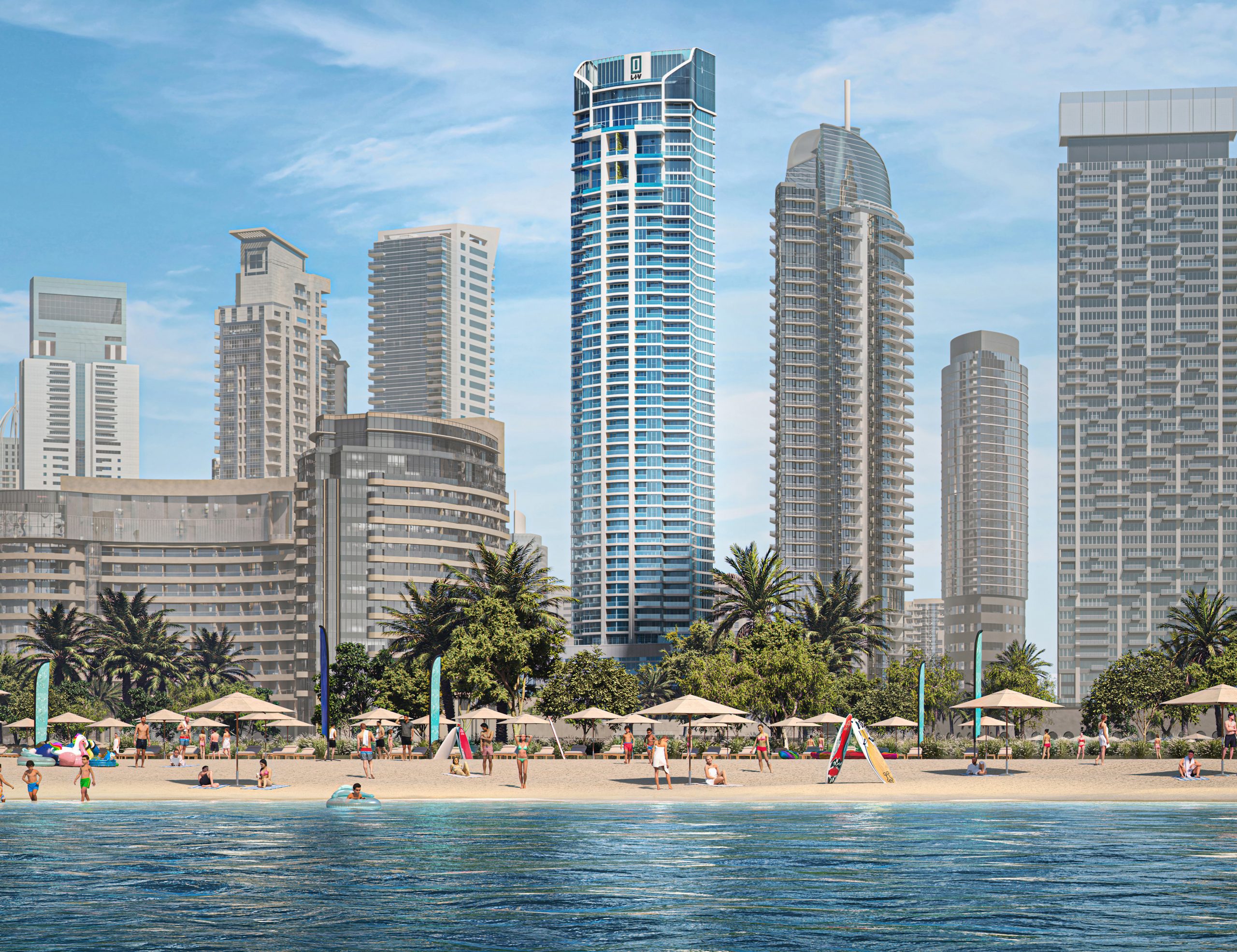
Ras Al Khaimah's Al Marjan Island has emerged as a compelling investment destination, with rental yields for short-term units significantly outpacing those in Dubai. This trend is driven by RAK's rapidly expanding tourism industry, which has seen transaction volumes surge to AED 11B in Q1 2026, up 240% year-on-year (RAK Properties). In contrast, Dubai's total property sales reached AED 176.7B in Q1 2026, with off-plan transactions accounting for 70% of deals (DLD). The average price per square foot for off-plan units in Dubai stood at AED 2,047, while ready units averaged AED 1,713/sqft (DLD).
| Area / Option | Price/sqft (AED) | Rental Yield | Capital Growth YoY |
|---|---|---|---|
| Hayat Island RAK | 800–1,100 | 6–8% | +18% (2025–2026) |
| Al Marjan Island RAK | 1,000–1,500 | 7–9% | +15% (2025–2026) |
| Dubai Marina | 1,200–2,200 | 3–4% | +10% (2025–2026) |
| JVC | 700–1,200 | 4–5% | +8% (2025–2026) |
| Palm Jumeirah | 2,500–4,500 | 3–5% | +12% (2025–2026) |
Source: Dubai Land Department, RAK Properties, ValuStrat Q1 2026
Deeper Analysis / Mechanics
The superior rental yields in RAK can be attributed to several factors. Firstly, the emirate's strategic focus on tourism has led to significant investment in hospitality infrastructure. The impending opening of Wynn Al Marjan in Q1 2027, with over 1,500 rooms, a casino, and convention center, is expected to further bolster tourism and drive demand for short-term rental units. This compares to Dubai's more mature market, where capital growth has been relatively subdued at 10% in 2026 (ValuStrat).
Secondly, RAK's lower property prices offer investors a more attractive entry point. On Al Marjan Island, prices average AED 1,000-1,500/sqft, while on Hayat Island, they range from AED 800-1,100/sqft. This is significantly lower than Dubai's off-plan average of AED 2,047/sqft (DLD Q1 2026). The lower acquisition cost, coupled with higher rental yields, results in a more compelling return on investment for RAK properties.
Specific Locations / Examples with Numbers
Hayat Island, with its direct allocation under Sofia Sands Realty, is a prime example of RAK's investment potential. Prices here range from AED 800-1,100/sqft, with rental yields of 6-8%. In our Q2 2026 transactions, we observed capital growth of +18% year-on-year. This compares favorably to Dubai Marina, where prices average AED 1,200-2,200/sqft and yields are a more modest 3-4%, with capital growth of +10% in 2026 (ValuStrat).
Al Marjan Island, another key RAK development, offers prices of AED 1,000-1,500/sqft and rental yields of 7-9%. Capital growth here has been robust at +15% year-on-year (2025-2026). This underscores the potential of RAK's emerging markets, which are benefiting from targeted tourism investments and infrastructure development.
Risk Factors / What Buyers Miss / Bear Case
While RAK's rental yields are currently outpacing Dubai's, there are risks to consider. The emirate's market is more nascent and less diversified than Dubai's, making it potentially more susceptible to economic downturns. Additionally, RAK's focus on tourism means that any slowdown in this sector could disproportionately impact property values and rents.
Investors should also be mindful of the regulatory environment. RERA's rent increase limits and tenant rights can influence returns, as can DLD's trust account rules. It's crucial to stay informed on these regulations and how they may affect property management and returns.
Furthermore, while RAK's lower entry point is attractive, it's essential to conduct thorough due diligence on specific developments and their underlying fundamentals. Not all projects will offer the same potential for capital appreciation and rental yields. Careful selection based on location, developer reputation, and project specifications is critical to mitigate risk.
What to do Next / Practical Steps
For investors considering RAK's Al Marjan Island versus Dubai, it's important to weigh the potential for higher rental yields against the risks associated with a less mature market. Conducting thorough research, consulting with experienced brokers, and visiting the properties in person can provide valuable insights.
Sofia Sands Realty (sofiasandsrealty.ae, RERA 41793) holds direct allocation on Bay Views, Hayat Island, providing investors with exclusive access to this high-growth market. Our team has extensive experience in RAK and Dubai, offering expert guidance to help you navigate the complexities of each market and identify the most promising investment opportunities.
Frequently Asked Questions
What is the average rental yield for short-term units on Al Marjan Island?
Short-term units on Al Marjan Island in RAK offer rental yields of 7-9%, outperforming Dubai's average of 3-4%. Source: ValuStrat Q1 2026.
How does RAK's property price compare to Dubai?
RAK's property prices are significantly lower than Dubai's, with Al Marjan Island averaging AED 1,000-1,500/sqft, compared to Dubai's off-plan average of AED 2,047/sqft (DLD Q1 2026).
What is driving RAK's higher rental yields?
RAK's higher rental yields are driven by its booming tourism sector and lower property prices, which offer investors a more attractive entry point. The upcoming Wynn Al Marjan is expected to further boost tourism and drive demand for short-term rental units. Source: RAK Properties, Wynn Al Marjan.
What are the risks of investing in RAK's property market?
The risks include RAK's market being more nascent and less diversified than Dubai's, making it potentially more susceptible to economic downturns. Additionally, RAK's focus on tourism means any slowdown in this sector could disproportionately impact property values and rents. Source: ValuStrat Q1 2026.
How do I find the best investment opportunities in RAK?
Conduct thorough research, consult with experienced brokers, and visit the properties in person. Careful selection based on location, developer reputation, and project specifications is critical to mitigate risk. Source: Sofia Sands Realty, RERA 41793.
What regulations should I be aware of when investing in RAK?
Be mindful of RERA's rent increase limits and tenant rights, as well as DLD's trust account rules. These regulations can influence property management and returns. Source: RERA, DLD.
How does RAK's capital growth compare to Dubai's?
RAK's capital growth has been robust, with Al Marjan Island seeing +15% year-on-year growth (2025-2026). This compares to Dubai's more subdued growth of +10% in 2026 (ValuStrat).
What is the average rental yield for short-term units in Dubai?
The average rental yield for short-term units in Dubai is 3-4%, lower than RAK's 7-9% yields on Al Marjan Island. Source: ValuStrat Q1 2026.