Investing in RAK versus Dubai in 2026 requires a deep dive into rental engine performance, growth catalysts, and market volatility risks.
Investing in RAK versus Dubai in 2026 requires a deep dive into rental engine performance, growth catalysts, and market volatility risks. Key considerations include rental yields, capital appreciation, and the stability of the real estate market. RAK property prices averaged AED 800–1,100/sqft in Q1 2026, with rental yields of 6–8% and capital growth of +18% YoY (RAK Properties). In contrast, Dubai property prices averaged AED 1,759/sqft, with rental yields of 4–6% and capital growth of +10% YoY (Dubai Land Department, ValuStrat). These stark differences underscore the importance of asking the right questions before investing.
Core Data and Context
Dubai and RAK are two of the UAE's most dynamic real estate markets, each with its unique characteristics and growth drivers. In Q1 2026, Dubai recorded AED 176.7B in total property sales, with off-plan transactions accounting for 70% of the market (DLD). RAK, on the other hand, saw a transaction volume of AED 11B, marking a staggering +240% YoY increase (RAK Properties). These figures highlight the robust growth potential in both markets, but they also underscore the need for a nuanced understanding of the underlying dynamics at play.
| Area / Option | Price/sqft (AED) | Rental Yield | Capital Growth YoY |
|---|---|---|---|
| Hayat Island RAK | 800–1,100 | 6–8% | +18% (2025–2026) |
| Dubai Marina | 1,200–2,200 | 4–5% | +8% (2025–2026) |
| Palm Jumeirah | 2,500–4,500 | 4–6% | +12% (2025–2026) |
| JVC | 700–1,200 | 5–7% | +10% (2025–2026) |
| Al Marjan Island RAK | 600–900 | 7–9% | +15% (2025–2026) |
Source: Dubai Land Department, RAK Properties, ValuStrat Q1 2026
Deeper Analysis / Mechanics
Rental yields are a critical factor to consider when comparing RAK and Dubai. In RAK, properties on Hayat Island and Al Marjan Island offer rental yields of 6–9%, significantly higher than the 4–6% yields in Dubai's prime locations like Palm Jumeirah and Dubai Marina. This is due to the relatively lower entry prices in RAK, which allow for higher rental income per unit of investment. However, it's essential to weigh these yields against the potential for capital appreciation. While RAK has seen impressive YoY capital growth of +18%, Dubai's more mature market offers steadier, albeit lower, growth of +10% YoY.
Growth catalysts also play a crucial role in shaping the investment landscape. The upcoming Wynn Al Marjan resort, set to open in Q1 2027, is expected to boost RAK's hospitality and tourism sectors, driving demand for real estate in the area. In contrast, Dubai's well-established tourism infrastructure, including Bluewaters Island and Yas Island Abu Dhabi, continues to attract a steady stream of visitors and investors.
Specific Locations / Examples with Numbers
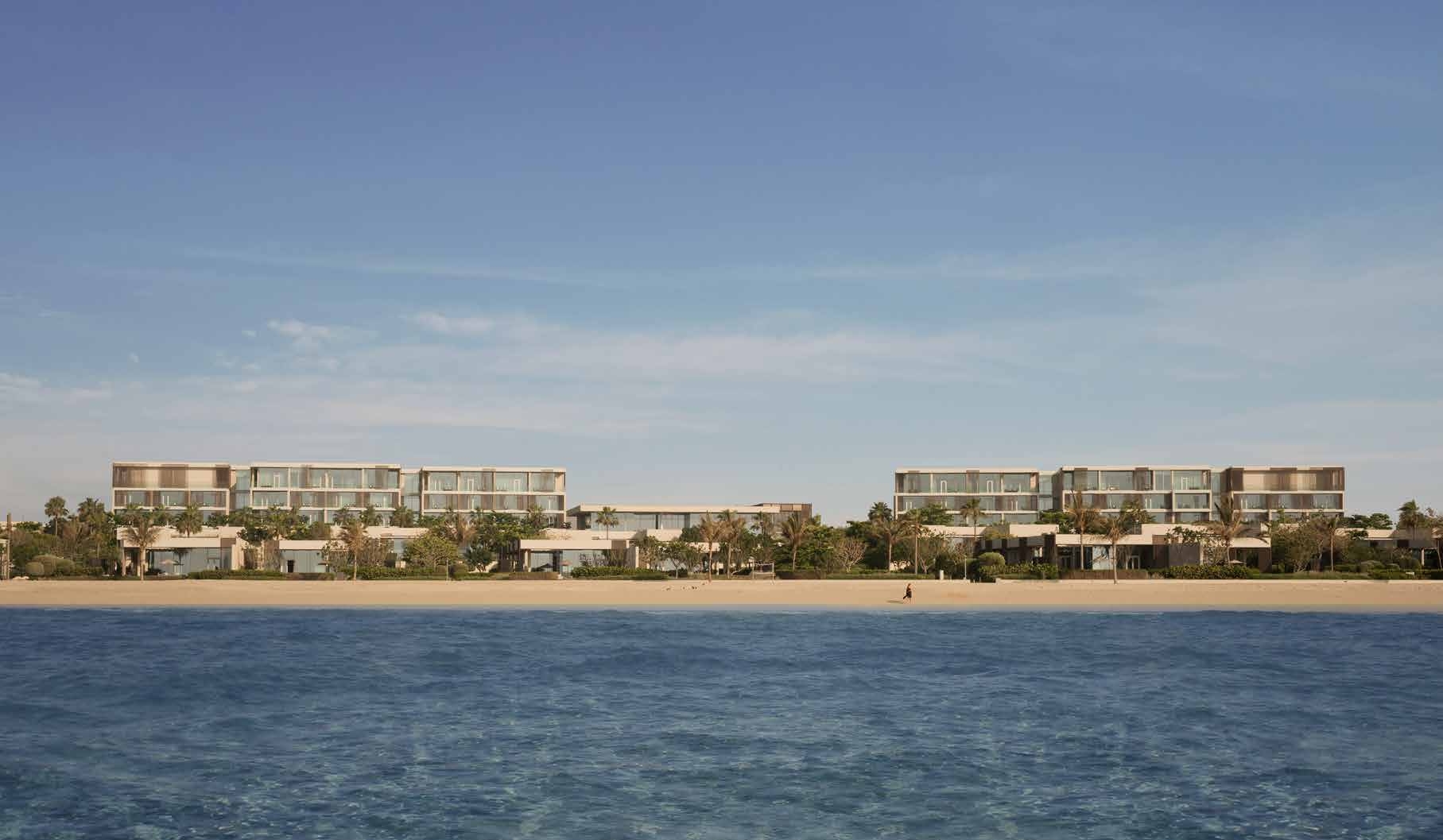
Hayat Island, a key development in RAK, has seen significant progress with Cape Hayat now 86.5% complete (RAK Properties). Prices on Hayat Island range from AED 800–1,100/sqft, offering a compelling investment opportunity for those seeking high rental yields and capital growth. In comparison, Dubai's JVC offers more affordable entry points at AED 700–1,200/sqft, with rental yields of 5–7% and capital growth of +10% YoY.
Investors should also consider the specific attributes of each location. For instance, Dubai Marina's cosmopolitan lifestyle and proximity to business hubs like DIFC and JBR make it an attractive option for expatriates, driving rental demand. On the other hand, RAK's natural beauty and tranquility, as embodied by Mina Al Arab, cater to a different demographic seeking a more relaxed lifestyle.
Risk Factors / What Buyers Miss / Bear Case
While the potential rewards are significant, investors must also consider the risks. Market volatility is a concern in RAK, where the more nascent real estate market could be subject to sharper price corrections. In contrast, Dubai's mature market offers greater stability, albeit with lower yields. Additionally, investors should be aware of the regulatory environment, including rent increase limits and tenant rights, which can impact rental yields and occupancy rates (RERA).
The bear case for RAK would be a slowdown in tourism growth or a delay in major project completions, which could impact property demand and values. For Dubai, oversupply in certain areas, such as Business Bay, could lead to downward pressure on prices and rents. Investors must conduct thorough due diligence and consider diversifying their portfolios to mitigate these risks.
What to do Next / Practical Steps
For investors looking to capitalize on the opportunities in RAK and Dubai, it's crucial to work with a reputable brokerage with direct allocation on key developments. Sofia Sands Realty (RERA 41793) holds direct allocation on Bay Views in Hayat Island, offering investors exclusive access to this high-growth market. We also have insights into other prime locations across RAK and Dubai, providing a comprehensive view of the investment landscape.
Frequently Asked Questions
What is the average rental yield in RAK?
RAK properties offer rental yields of 6–9%, significantly higher than Dubai's 4–6%. This is due to the lower entry prices in RAK, which allow for higher rental income per unit of investment. Source: RAK Properties Q1 2026.
How does RAK's capital growth compare to Dubai?
RAK has seen impressive YoY capital growth of +18%, while Dubai's more mature market offers steadier, albeit lower, growth of +10% YoY. Source: RAK Properties, ValuStrat Q1 2026.
What is the impact of the Wynn Al Marjan resort on RAK's real estate market?
The upcoming Wynn Al Marjan resort, set to open in Q1 2027, is expected to boost RAK's hospitality and tourism sectors, driving demand for real estate in the area. Source: Wynn Al Marjan Q1 2027.
What are the rental yields in Dubai Marina?
Dubai Marina offers rental yields of 4–5%, which are lower than RAK's 6–9% but still attractive given the area's cosmopolitan lifestyle and proximity to business hubs. Source: Dubai Land Department Q1 2026.
How do JVC's prices and yields compare to other Dubai areas?
JVC offers more affordable entry points at AED 700–1,200/sqft, with rental yields of 5–7% and capital growth of +10% YoY, making it an attractive option for investors seeking a balance between yield and capital appreciation. Source: Dubai Land Department Q1 2026.
What are the risks associated with investing in RAK's real estate market?
Market volatility is a concern in RAK, where the more nascent real estate market could be subject to sharper price corrections. Additionally, investors should be aware of the regulatory environment, including rent increase limits and tenant rights. Source: RERA.
How does Dubai's mature market compare to RAK in terms of stability?
Dubai's mature market offers greater stability, albeit with lower yields. This is due to the well-established tourism infrastructure and steady demand from investors and occupiers. Source: Dubai Land Department Q1 2026.
What are the implications of oversupply in certain Dubai areas?
Oversupply in areas like Business Bay could lead to downward pressure on prices and rents. Investors must conduct thorough due diligence and consider diversifying their portfolios to mitigate these risks. Source: CBRE Q1 2026.