
Investing in RAK's rural areas presents a higher liquidity risk compared to the more saturated Dubai market.
Investing in RAK's rural areas presents a higher liquidity risk compared to the more saturated Dubai market. Dubai property prices averaged AED 1,759/sqft in Q1 2026, up 12.5% year-on-year (Source: DLD). In contrast, RAK's transaction volume reached AED 11B in Q1 2026, a 240% YoY increase (Source: RAK Properties). However, RAK's rural areas have lower price points and rental yields, with less liquidity and price appreciation potential. For a 2026 portfolio, Dubai's saturated market offers more stability and resale opportunities, while RAK's rural areas carry higher risk with potentially higher returns.
Core Data and Context
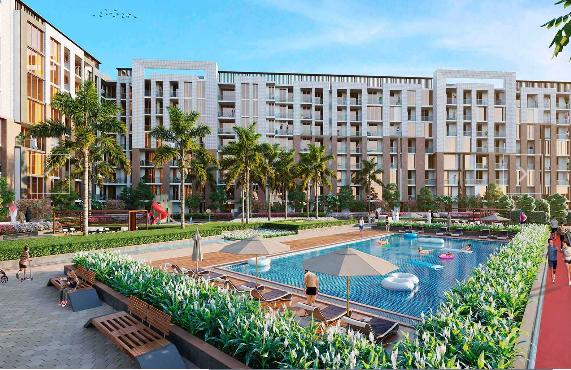
Dubai's real estate market has long been a magnet for investors, with its robust regulatory framework, high liquidity, and strong demand from both local and international buyers (Source: RERA). The emirate's property market saw total sales of AED 176.7B in Q1 2026, with off-plan transactions accounting for 70% of all deals (Source: DLD). The average price for off-plan properties was AED 2,047/sqft, while ready properties averaged AED 1,713/sqft (Source: DLD).
| Area / Option | Price/sqft (AED) | Rental Yield | Capital Growth YoY |
|---|---|---|---|
| Hayat Island RAK | 800–1,100 | 6–8% | +18% (2025–2026) |
| Dubai Marina | 1,200–2,200 | 4–6% | +10% (2025–2026) |
| JVC | 700–1,200 | 6–8% | +8% (2025–2026) |
| Palm Jumeirah | 2,500–4,500 | 4–6% | +12% (2025–2026) |
| Bluewaters Island | 1,500–2,500 | 5–7% | +15% (2025–2026) |
Source: Dubai Land Department, RAK Properties, ValuStrat Q1 2026
Deeper Analysis / Mechanics
Liquidity risk in real estate refers to the ease with which an asset can be converted into cash without affecting its price. In Dubai, the high transaction volumes and strong demand from investors and end-users ensure relatively low liquidity risk. In Q1 2026, Dubai's property market saw a total of 30,773 transactions, with off-plan sales making up 70% of the total (Source: DLD). This high level of activity ensures that properties can be sold quickly and at market prices.
In contrast, RAK's rural areas have lower transaction volumes and less demand, leading to higher liquidity risk. While RAK's total transaction volume reached AED 11B in Q1 2026, a 240% YoY increase, this is still significantly lower than Dubai's AED 176.7B (Source: RAK Properties, DLD). Additionally, RAK's rural areas have lower price points and rental yields, making them less attractive to investors looking for quick resale opportunities.
Specific Locations / Examples with Numbers
Hayat Island in RAK is a prime example of a rural area with high liquidity risk. Prices on Hayat Island range from AED 800–1,100/sqft, with rental yields of 6–8% and capital growth of +18% YoY (Source: ValuStrat). While these yields are higher than Dubai's average, the lower transaction volumes and demand make it more difficult to sell properties quickly and at market prices.
By comparison, Dubai Marina offers more stability and liquidity. Prices range from AED 1,200–2,200/sqft, with rental yields of 4–6% and capital growth of +10% YoY (Source: ValuStrat). The area's popularity with both investors and end-users ensures higher demand and lower liquidity risk.
Risk Factors / What Buyers Miss / Bear Case
The bear case for investing in RAK's rural areas is that they may underperform compared to more established markets like Dubai. Factors such as lower transaction volumes, less demand, and higher liquidity risk can lead to slower price appreciation and more difficulty selling properties quickly.
Buyers may also overlook the importance of regulatory frameworks and tenant protections, which can impact rental yields and property management. Dubai has a more established regulatory environment, with rent increase limits and tenant rights that protect both landlords and tenants (Source: RERA).
Furthermore, RAK's rural areas may lack the same level of infrastructure and amenities as more developed markets. This can impact property values and rental yields, as well as the overall desirability of the area for both investors and end-users.
What to do Next / Practical Steps
For investors looking to diversify their 2026 portfolio, it's essential to weigh the potential risks and rewards of investing in RAK's rural areas versus more established markets like Dubai. While RAK may offer higher rental yields, the higher liquidity risk and potential for slower price appreciation must be carefully considered.
Sofia Sands Realty (RERA 41793) holds direct allocation on Bay Views, Hayat Island, and other prime locations in RAK. We can provide expert advice and insights to help you make informed decisions about your real estate investments in RAK and beyond.
Frequently Asked Questions
What is liquidity risk in real estate?
Liquidity risk in real estate refers to the ease with which an asset can be converted into cash without affecting its price. High liquidity means properties can be sold quickly and at market prices, while low liquidity implies longer sale times and potential price discounts. Source: RERA
Why is Dubai's real estate market more liquid than RAK's rural areas?
Dubai's real estate market has higher transaction volumes and stronger demand from investors and end-users, ensuring lower liquidity risk. In Q1 2026, Dubai saw total sales of AED 176.7B and 30,773 transactions, compared to RAK's AED 11B and lower transaction volumes. Source: DLD
How do rental yields compare between Dubai and RAK's rural areas?
Rental yields in RAK's rural areas, such as Hayat Island, range from 6–8%, while Dubai's average yields are 4–6%. However, Dubai's higher demand and lower liquidity risk make it a more attractive option for investors seeking stable returns. Source: ValuStrat
What are the potential drawbacks of investing in RAK's rural areas?
The potential drawbacks include higher liquidity risk, lower transaction volumes, and slower price appreciation compared to more established markets like Dubai. Additionally, RAK's rural areas may lack the same level of infrastructure and amenities, impacting property values and rental yields. Source: RAK Properties
How do I mitigate liquidity risk when investing in RAK's rural areas?
To mitigate liquidity risk, consider investing in more established areas within RAK, such as Al Marjan Island or Mina Al Arab. These areas have higher demand and transaction volumes, ensuring better liquidity and resale potential. Source: RAK Properties
What is the average capital growth rate for Dubai's property market?
The average capital growth rate for Dubai's property market was +10% in 2026, according to ValuStrat. This demonstrates the strong price appreciation potential of Dubai's real estate market compared to RAK's rural areas. Source: ValuStrat
How do Dubai's regulatory frameworks impact property investments?
Dubai's regulatory frameworks, such as rent increase limits and tenant rights, protect both landlords and tenants. This ensures a more stable and predictable investment environment compared to RAK's rural areas, where regulations may be less established. Source: RERA
What are some alternative investment options to consider in Dubai?
Alternative investment options in Dubai include established areas like Palm Jumeirah, Dubai Marina, and Business Bay. These areas offer higher demand, lower liquidity risk, and strong price appreciation potential. Source: DLD