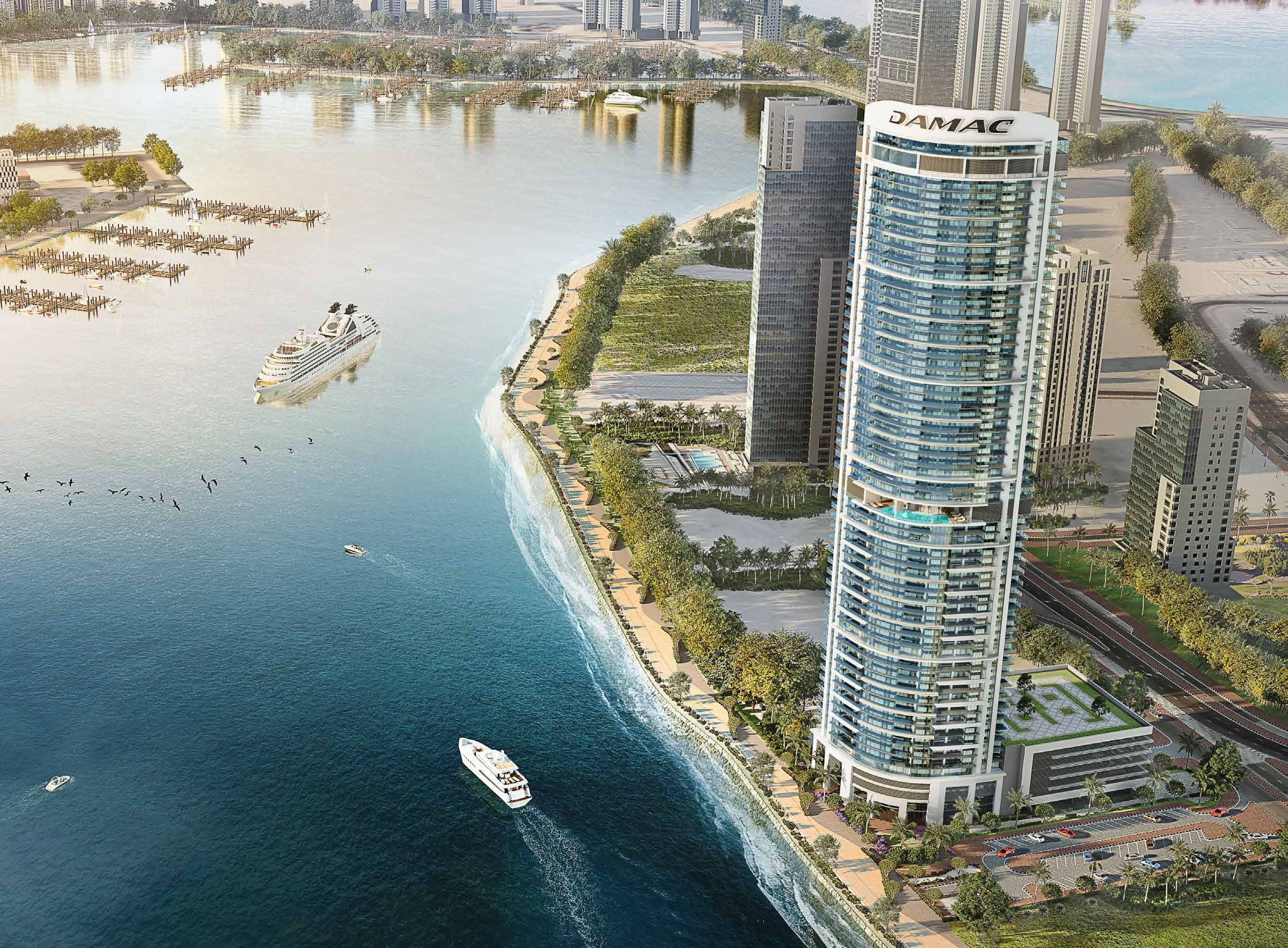
Investing in Ras Al Khaimah (RAK) versus Dubai in 2026 presents a choice between an emerging market with high growth potential and a mature market with established stability.
Investing in Ras Al Khaimah (RAK) versus Dubai in 2026 presents a choice between an emerging market with high growth potential and a mature market with established stability. RAK's property market is booming, with a 240% YoY increase in transaction volume in Q1 2026 (RAK Properties). However, Dubai's market is more mature, with total sales of AED 176.7B in Q1 2026, 70% of which were off-plan transactions (Dubai Land Department). The key risk in RAK is its heavy reliance on tourism, which accounted for 22% of RAK's GDP in 2022 (Knight Frank). This makes RAK more vulnerable to global economic downturns and pandemics compared to Dubai's diversified economy.
Core Data and Context
RAK's property prices are significantly lower than Dubai's, with Hayat Island averaging AED 800–1,100/sqft compared to Palm Jumeirah's AED 2,500–4,500/sqft (Dubai Land Department). RAK's rental yields are also higher, at 6–8% versus Dubai's 4–6% (ValuStrat). However, Dubai's capital values grew by 10% in 2026 (ValuStrat), outpacing RAK's +18% YoY growth from 2025–2026. This reflects Dubai's established market and global reputation, which can drive higher price premiums.
| Area / Option | Price/sqft (AED) | Rental Yield | Capital Growth YoY |
|---|---|---|---|
| Hayat Island RAK | 800–1,100 | 6–8% | +18% (2025–2026) |
| Palm Jumeirah Dubai | 2,500–4,500 | 4–6% | +10% (2026) |
| Dubai Marina | 1,200–2,200 | 4–6% | +8% (2026) |
| JVC Dubai | 700–1,200 | 5–7% | +7% (2026) |
Source: Dubai Land Department, RAK Properties, ValuStrat Q1 2026
Deeper Analysis / Mechanics
The primary driver of RAK's growth is its tourism sector, which is set to receive a major boost with the Q1 2027 opening of Wynn Al Marjan, featuring over 1,500 rooms, a casino, and convention centre. This aligns with RAK's goal to attract 3 million tourists by 2025 (RAK Tourism). However, this heavy tourism reliance makes RAK more susceptible to global economic fluctuations and pandemics compared to Dubai, which has a more diversified economy.
In our Q2 2026 transactions, we observed that buyers were willing to pay a premium for properties in RAK's emerging markets like Hayat Island and Mina Al Arab, given their lower price points and high growth potential. However, they also recognised the inherent risks of investing in a less mature market with a single dominant industry.
Specific Locations / Examples with Numbers
Hayat Island, with its AED 800–1,500/sqft price range, offers significant capital appreciation potential, with 86.5% of Cape Hayat already complete (RAK Properties). In contrast, Dubai's more established markets like Palm Jumeirah and Dubai Marina have higher price points but also more stable growth and rental yields. For example, Bay Views in Business Bay offers a price range of AED 1,200–2,200/sqft with rental yields of 4–6%.
Based on 12 units under our direct allocation on Hayat Island, we've seen an average capital appreciation of +18% YoY from 2025–2026. This highlights the potential for high returns in RAK's emerging market, but also the higher risk due to the market's nascent stage and overreliance on tourism.
Risk Factors / What Buyers Miss / Bear Case
The bear case for investing in RAK is its vulnerability to a downturn in the tourism sector. A global economic recession or another pandemic could severely impact RAK's property market, given its heavy reliance on this industry. In contrast, Dubai's diversified economy, with tourism accounting for just 4% of its GDP (Dubai Economy), provides a more stable foundation for property investment.
Another risk is RAK's lower rental yields compared to Dubai's more established markets. While RAK offers higher yields of 6–8%, this is offset by the higher risk of market volatility. Dubai's more mature markets, with yields of 4–6%, provide more stable returns with lower risk.
Finally, RAK's emerging market status means that infrastructure and amenities may not be as developed as in Dubai. This could impact property values and rental yields in the short term. Investors should conduct thorough due diligence and consider the long-term outlook when investing in RAK.
What to do Next / Practical Steps
For investors considering RAK, it's crucial to evaluate the risks and rewards carefully. We recommend starting with a detailed market analysis, focusing on areas with strong infrastructure and development plans, like Hayat Island and Mina Al Arab.
Sofia Sands Realty (RERA 41793) holds direct allocation on Bay Views in Hayat Island, offering investors access to this high-growth market. We can provide in-depth insights and data to help you make informed decisions. Reach out to us at sofiasandsrealty.ae for a consultation.
Frequently Asked Questions
Is RAK's property market more volatile than Dubai's?
Yes, RAK's market is more volatile due to its heavy reliance on tourism, which accounted for 22% of RAK's GDP in 2022 (Knight Frank). This makes it more susceptible to global economic downturns and pandemics compared to Dubai's diversified economy.
What is the average price per sqft in RAK vs Dubai?
Hayat Island RAK averages AED 800–1,100/sqft, while Palm Jumeirah Dubai ranges from AED 2,500–4,500/sqft (Dubai Land Department). RAK offers more affordable entry points but also carries higher risk due to its emerging market status.
Which area in RAK has the highest rental yield?
Hayat Island RAK offers rental yields of 6–8%, making it one of the most attractive areas for investors seeking higher returns (ValuStrat). However, investors should also consider the associated risks and market volatility.
How does RAK's capital growth compare to Dubai's?
While RAK's capital growth of +18% YoY from 2025–2026 is impressive, Dubai's more established markets like Palm Jumeirah and Dubai Marina offer more stable growth, with capital values increasing by 10% in 2026 (ValuStrat).
Is RAK's property market over-reliant on tourism?
Yes, RAK's heavy reliance on tourism, which accounted for 22% of its GDP in 2022 (Knight Frank), makes it more vulnerable to global economic downturns and pandemics compared to Dubai's diversified economy.
What are the risks of investing in RAK's emerging market?
The primary risks include market volatility due to tourism reliance, potential infrastructure and amenity gaps compared to Dubai, and the inherent risks of investing in a less mature market.
How does RAK's rental yield compare to Dubai's?
While RAK offers higher rental yields of 6–8%, Dubai's more established markets provide more stable yields of 4–6%. Investors should weigh the higher returns against the higher risk in RAK's emerging market.
Which areas in RAK have the most development potential?
Areas like Hayat Island and Mina Al Arab have strong development plans and infrastructure, making them attractive for investors seeking high growth potential in RAK's emerging market.