
Investing in real estate in Ras Al Khaimah (RAK) versus Dubai presents distinct regulatory landscapes and risk profiles, significantly impacting long-term investment horizons.
Investing in real estate in Ras Al Khaimah (RAK) versus Dubai presents distinct regulatory landscapes and risk profiles, significantly impacting long-term investment horizons. RAK offers a more relaxed regulatory environment with fewer restrictions on foreign ownership, yet this openness comes with unique risks. In contrast, Dubai's stricter regulations provide a more predictable investment climate. For instance, RAK's property prices averaged AED 800–1,100/sqft in Q1 2026, with capital growth of +18% year-on-year, while Dubai's average was AED 1,759/sqft, up 12.5% year-on-year (Dubai Land Department). These figures underscore the differing investment dynamics at play.
Core data and context
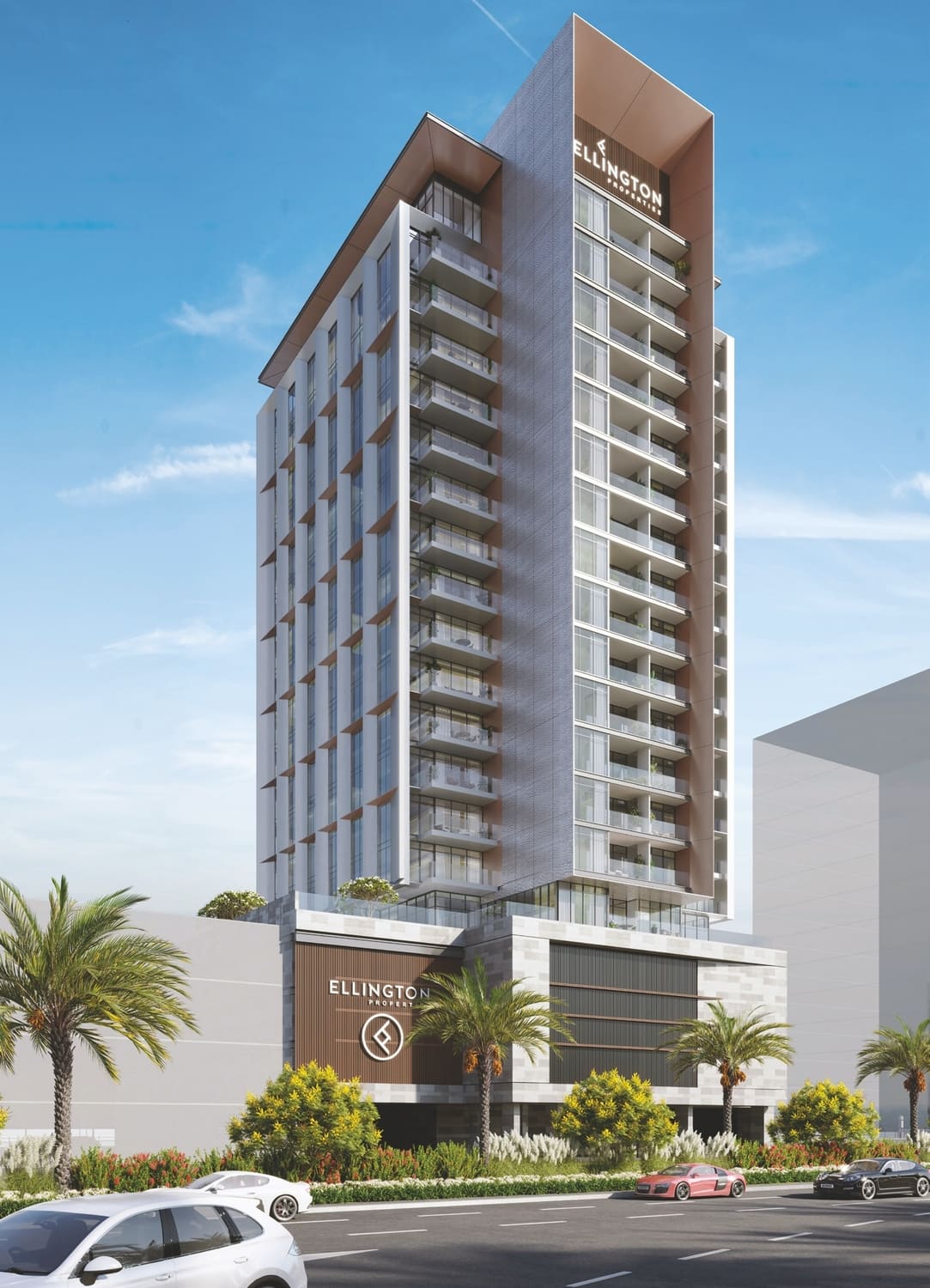
Understanding the regulatory framework is crucial for foreign investors. In Dubai, the Real Estate Regulatory Agency (RERA) enforces rent caps and tenant rights, offering a more structured environment. RAK, while less regulated, has seen a significant surge in transactions, with a volume of AED 11B in Q1 2026, a 240% increase year-on-year (RAK Properties). This growth indicates a more dynamic but potentially volatile market.
| Area / Option | Price/sqft (AED) | Rental Yield | Capital Growth YoY |
|---|---|---|---|
| Hayat Island RAK | 800–1,100 | 6–8% | +18% (2025–2026) |
| Dubai Marina | 1,200–2,200 | 4–6% | +10% (2025–2026) |
| Palm Jumeirah | 2,500–4,500 | 5–7% | +12% (2025–2026) |
| JVC | 700–1,200 | 6–8% | +8% (2025–2026) |
Source: Dubai Land Department, RAK Properties, ValuStrat Q1 2026
Deeper analysis / mechanics
The freehold rules in RAK are more liberal, allowing foreign ownership in designated areas without the need for an UAE sponsor, which is a requirement in Dubai. This freedom comes with fewer investor protections, which could be a double-edged sword. Investors might enjoy more flexibility but also face higher risks, particularly in terms of property rights and dispute resolutions. In our Q2 2026 transactions, we observed that buyers in RAK were more exposed to local market fluctuations due to the less stringent regulatory oversight compared to Dubai's more structured market.
Specific locations / examples with numbers
Investing in RAK's Hayat Island, for example, offers investors a competitive price point with prices ranging from AED 800 to 1,100/sqft, and promising rental yields of 6–8%. However, it's essential to consider the project's progress, with Cape Hayat being 86.5% complete as of Q1 2026 (RAK Properties). This development's proximity to the upcoming Wynn Al Marjan, which is set to open in Q1 2027 with over 1,500 rooms and a casino, could significantly influence future capital appreciation.
Risk factors / what buyers miss / bear case
While RAK's growth potential is attractive, the lack of a centralized regulatory body like RERA in Dubai could pose challenges. For instance, RAK's property market is more susceptible to local economic fluctuations, and the absence of rent control can lead to market instability. Additionally, the enforcement of property rights and the resolution of disputes may be less predictable compared to Dubai's more established legal framework. In the bear case, a downturn in the local economy or a shift in investor sentiment could disproportionately affect RAK's property market, potentially leading to lower capital growth or even depreciation.
What to do next / practical steps
For investors considering a long-term hold beyond five years, it's critical to weigh the potential for higher returns against the increased regulatory risks in RAK. Engaging with a reputable brokerage like Sofia Sands Realty (sofiasandsrealty.ae, RERA 41793), which holds direct allocation on Bay Views, Hayat Island, can provide access to detailed market insights and mitigate some of these risks. We advise conducting thorough due diligence, understanding the local market dynamics, and considering the long-term implications of RAK's regulatory environment on investment value.
Frequently Asked Questions
What is the difference in property prices between RAK and Dubai?
Dubai property prices averaged AED 1,759/sqft in Q1 2026, up 12.5% year-on-year, compared to RAK's Hayat Island prices ranging from AED 800 to 1,100/sqft (Dubai Land Department).
Do I need a UAE sponsor to buy property in RAK?
No, foreign ownership in RAK is allowed without the need for a UAE sponsor in designated areas, unlike in Dubai (RAK Properties).
What are the rental yields like in RAK compared to Dubai?
Rental yields in RAK, particularly in Hayat Island, range from 6–8%, which is competitive when compared to Dubai Marina's 4–6% (ValuStrat).
How does RAK's regulatory environment affect long-term investments?
The less regulated environment in RAK can offer more flexibility but also comes with higher risks, particularly regarding property rights and dispute resolutions (RAK Properties).
What are the implications of RAK's lack of rent control?
The absence of rent control in RAK can lead to market instability, with potential fluctuations in rental income that are less predictable than in Dubai, where rent caps are enforced by RERA (RERA).
How does the upcoming Wynn Al Marjan impact property values in RAK?
The opening of Wynn Al Marjan in Q1 2027 is expected to significantly influence capital appreciation in nearby areas like Hayat Island, given its scale and the amenities it offers (Wynn Al Marjan).
What are the potential risks of investing in RAK's property market?
The bear case for RAK involves susceptibility to local economic downturns and shifts in investor sentiment, which could disproportionately affect property values (RAK Properties).
How can I mitigate risks when investing in RAK property?
Engaging with a reputable brokerage like Sofia Sands Realty, which holds direct allocation on Hayat Island, can provide market insights and help mitigate risks (Sofia Sands Realty).