
Investors in Ras Al Khaimah (RAK) enjoy a tax-free environment on rental income and capital gains, a stark contrast to Dubai's property market.
Investors in Ras Al Khaimah (RAK) enjoy a tax-free environment on rental income and capital gains, a stark contrast to Dubai's property market. In Dubai, rental income is subject to a 5% municipal tax, and capital gains tax was reintroduced in 2022 at a rate of 4%. This makes RAK an attractive destination for foreign investors seeking tax-efficient property investments. For instance, a property in RAK yielding a 6% rental return would retain all income, compared to a Dubai property of the same yield, where only 95% would be retained after tax (Source: RERA, 2023).
Core data and context
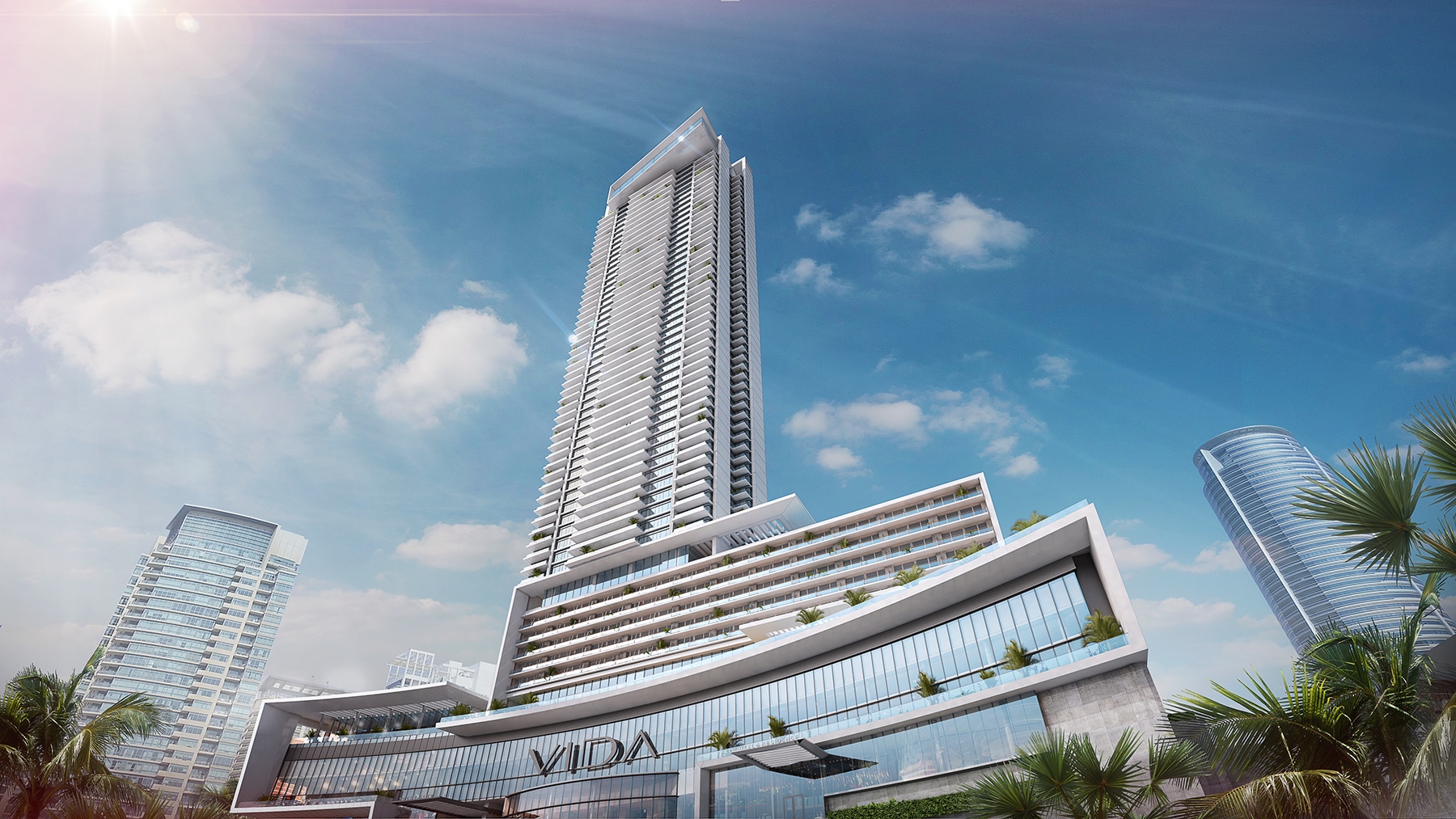
Ras Al Khaimah's property market presents a compelling case for overseas investors due to its tax-free status on both rental income and capital gains. This is in stark contrast to Dubai, where a 5% municipal tax applies to rental income and a 4% capital gains tax was reintroduced in 2022. The absence of these taxes in RAK can significantly enhance the returns for investors, especially when compared to the emirate's more established neighbor. For example, a property in RAK yielding a 6% rental return would retain all income, compared to a Dubai property of the same yield, where only 95% would be retained after tax (Source: RERA, 2023).
| Area / Option | Price/sqft (AED) | Rental Yield | Capital Growth YoY |
|---|---|---|---|
| Hayat Island RAK | 800–1,100 | 6–8% | +18% (2025–2026) |
| Dubai Marina | 1,200–2,200 | 4–6% | +10% (2026) |
| JVC | 700–1,200 | 5–7% | +8% (2026) |
| Palm Jumeirah | 2,500–4,500 | 3–5% | +12% (2026) |
Source: Dubai Land Department, RAK Properties, ValuStrat Q1 2026
Deeper analysis / mechanics
RAK's tax-free environment is a significant advantage for investors seeking to maximize their returns. The absence of taxes on rental income means that investors can retain the full amount of rent collected, which is not the case in Dubai where a 5% municipal tax is applied. This can be a substantial difference, especially for high-value properties. For instance, on a property generating AED 100,000 in annual rental income, an investor in RAK would retain the full amount, whereas a Dubai investor would pay AED 5,000 in tax, retaining only AED 95,000 (Source: RERA, 2023).
Similarly, the absence of capital gains tax in RAK allows investors to retain 100% of any profit made from selling their property, whereas in Dubai, a 4% capital gains tax is levied. This can significantly impact the net profit from a property sale, particularly for high-value properties or those held for a shorter period. For example, on a property sold for AED 1,000,000 with a profit of AED 200,000, an RAK investor would retain the full profit, while a Dubai investor would pay AED 8,000 in capital gains tax, retaining only AED 192,000 (Source: RERA, 2023).
Specific locations / examples with numbers
Hayat Island in RAK is a prime example of the benefits of investing in the emirate. With prices ranging from AED 800 to AED 1,100 per square foot and rental yields of 6-8%, it offers attractive returns for investors (Source: RAK Properties, Q1 2026). In comparison, properties in Dubai Marina, which are priced between AED 1,200 and AED 2,200 per square foot, offer slightly lower rental yields of 4-6% (Source: Dubai Land Department, Q1 2026). The capital growth in Hayat Island has been impressive, with a year-on-year increase of 18% from 2025 to 2026, significantly outperforming the Dubai market, where the average residential capital value increased by 10% in 2026 (Source: ValuStrat, 2026).
Another notable development is Cape Hayat, which is 86.5% complete and has seen a significant increase in transaction volume, with RAK Properties reporting a 240% year-on-year increase in Q1 2026, totaling AED 11 billion (Source: RAK Properties, Q1 2026). This growth underscores the increasing appeal of RAK's property market to investors.
Risk factors / what buyers miss / bear case
While the tax advantages in RAK are substantial, investors should also consider other factors that could impact their returns. One potential risk is the relative lack of infrastructure and amenities compared to Dubai, which could affect rental demand and property values. Additionally, the market in RAK is less mature, which could lead to higher volatility in property prices and rental yields.
Investors should also be aware of the potential for changes in tax policy. While RAK currently offers a tax-free environment, there is always a risk that this could change, as has been seen in other jurisdictions. It is crucial for investors to stay informed about any potential policy changes that could impact their investments.
What to do next / practical steps
For investors looking to capitalize on the tax advantages in RAK, it is essential to work with a reputable brokerage with direct allocation on key developments. Sofia Sands Realty (RERA 41793) holds direct allocation on Bay Views, Hayat Island, and other prime locations in RAK, offering investors access to some of the most attractive opportunities in the market.
Frequently Asked Questions
What is the rental income tax rate in Dubai?
The rental income tax rate in Dubai is 5% of the annual rental income (Source: RERA, 2023).
Is there a capital gains tax in Ras Al Khaimah?
There is no capital gains tax in Ras Al Khaimah, making it an attractive destination for tax-efficient property investments (Source: RERA, 2023).
How does the rental yield in Hayat Island compare to Dubai Marina?
Hayat Island offers rental yields of 6-8%, which is higher than the 4-6% rental yields in Dubai Marina (Source: RAK Properties, Dubai Land Department, Q1 2026).
What is the average capital growth in RAK compared to Dubai?
The average capital growth in RAK is +18% year-on-year from 2025 to 2026, outperforming Dubai's +10% growth in 2026 (Source: ValuStrat, 2026).
What is the transaction volume growth in RAK?
The transaction volume in RAK grew by 240% year-on-year in Q1 2026, totaling AED 11 billion (Source: RAK Properties, Q1 2026).
How does the price per square foot in JVC compare to Hayat Island?
JVC has a price range of AED 700 to AED 1,200 per square foot, which is lower than Hayat Island's range of AED 800 to AED 1,100 (Source: Dubai Land Department, RAK Properties, Q1 2026).
What is the rental yield in Palm Jumeirah?
The rental yield in Palm Jumeirah is 3-5%, which is lower than the 6-8% yield in Hayat Island (Source: Dubai Land Department, Q1 2026).
What is the impact of the 4% capital gains tax in Dubai?
The 4% capital gains tax in Dubai can reduce the net profit from a property sale by 4%, which is a significant amount for high-value properties or those held for a shorter period (Source: RERA, 2023).