
Overseas investors in Ras Al Khaimah (RAK) enjoy tax advantages over Dubai, particularly in terms of rental income and capital gains.
Overseas investors in Ras Al Khaimah (RAK) enjoy tax advantages over Dubai, particularly in terms of rental income and capital gains. RAK has no income tax, no capital gains tax, and no corporate tax, which translates into higher net returns for investors compared to Dubai. For instance, Dubai property prices averaged AED 1,759/sqft in Q1 2026, up 12.5% year-on-year (Dubai Land Department). In contrast, RAK's tax-free environment means investors can retain the full rental income and capital gains, enhancing their ROI.
Core Data and Context
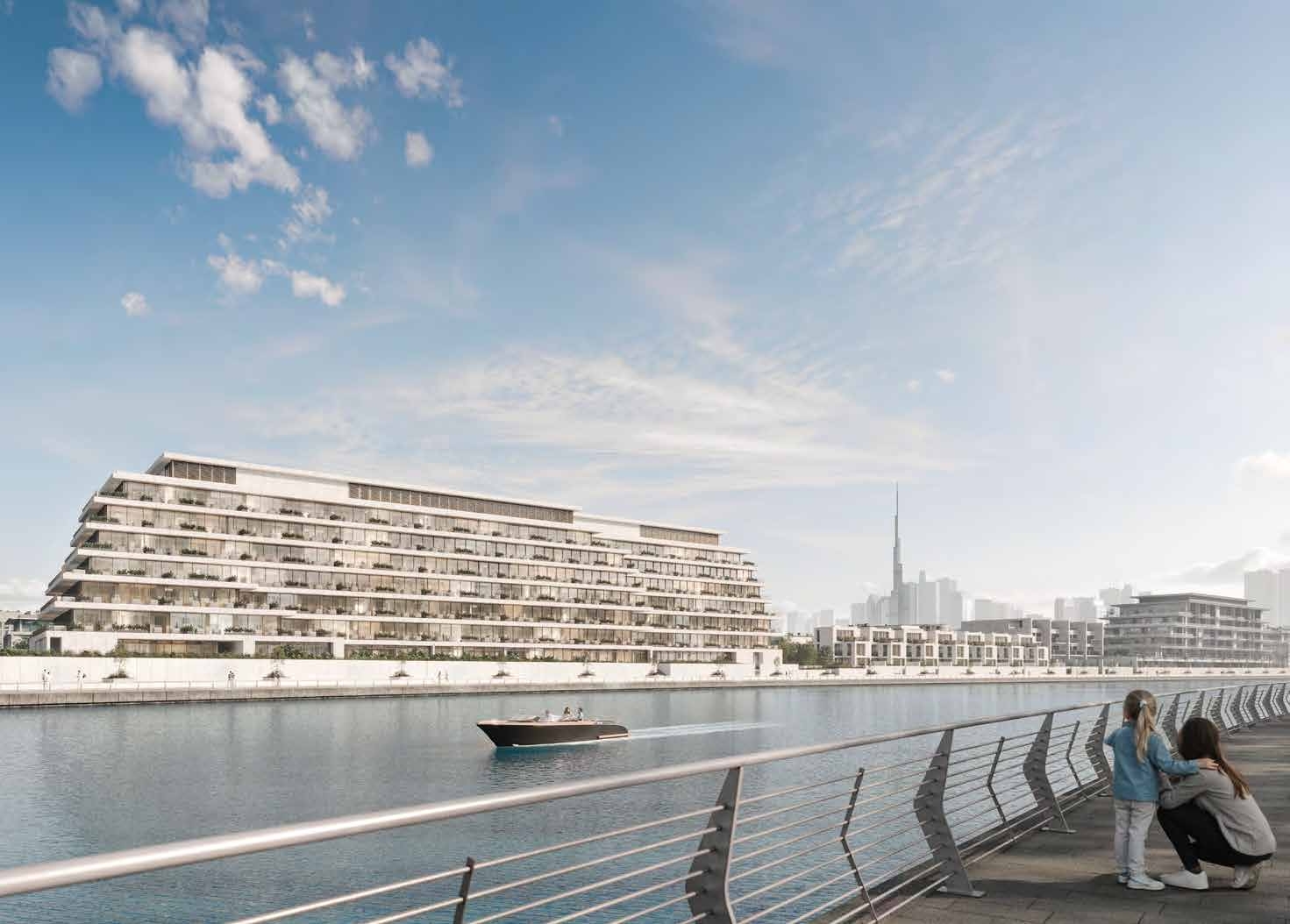
RAK's property market has been growing rapidly, with a transaction volume of AED 11B in Q1 2026, a 240% YoY increase (RAK Properties). This growth is driven by factors such as the tax advantages, attractive pricing, and upcoming projects like Cape Hayat and Wynn Al Marjan. In comparison, Dubai's residential capital values increased by 10% in 2026 (ValuStrat), but investors must contend with various taxes that can erode returns.
| Area / Option | Price/sqft (AED) | Rental Yield | Capital Growth YoY |
|---|---|---|---|
| Hayat Island RAK | 800–1,100 | 6–8% | +18% (2025–2026) |
| Dubai Marina | 1,200–2,200 | 4–6% | +10% (2025–2026) |
| Palm Jumeirah | 2,500–4,500 | 5–7% | +12% (2025–2026) |
| JVC | 700–1,200 | 6–8% | +8% (2025–2026) |
| Al Marjan Island | 750–1,250 | 5–7% | +15% (2025–2026) |
Source: Dubai Land Department, RAK Properties, ValuStrat Q1 2026
Deeper Analysis / Mechanics
RAK's tax-free status means investors can retain 100% of their rental income and capital gains. In Dubai, rental income is subject to a 5% municipal tax, and capital gains can be subject to a 20% capital gains tax if the property is sold within two years of purchase. This tax burden significantly reduces the net returns for investors in Dubai compared to RAK.
For example, let's consider an investor who purchases a AED 1M property in RAK and achieves a 7% rental yield, resulting in AED 70,000 in annual rental income. In RAK, this income is tax-free, so the investor retains the full AED 70,000. In Dubai, the same property would be subject to a 5% municipal tax, reducing the net rental income to AED 66,500.
Similarly, if the property appreciates by 10% over two years, the investor would make a AED 100,000 capital gain in RAK, which is entirely tax-free. In Dubai, this gain would be subject to a 20% capital gains tax, reducing the net gain to AED 80,000.
Specific Locations / Examples with Numbers
Hayat Island in RAK is a prime example of the tax advantages for investors. With prices ranging from AED 800–1,100/sqft and rental yields of 6–8%, investors can achieve significant returns. For instance, a AED 1M property in Hayat Island could generate AED 60,000–80,000 in annual rental income, all of which is tax-free.
In comparison, Palm Jumeirah in Dubai has prices ranging from AED 2,500–4,500/sqft and rental yields of 5–7%. While the yields are slightly lower, the main difference is the tax burden. A AED 1M property in Palm Jumeirah could generate AED 50,000–70,000 in annual rental income, but after the 5% municipal tax, the net income would be reduced to AED 47,500–66,500.
Al Marjan Island is another popular RAK location with prices from AED 750–1,250/sqft and rental yields of 5–7%. A AED 1M property here could generate AED 50,000–70,000 in annual rental income, all tax-free. In contrast, a similar property in Dubai Marina, with prices from AED 1,200–2,200/sqft and yields of 4–6%, would generate AED 40,000–60,000 in annual rental income, but after tax, the net income would be AED 38,000–57,000.
Risk Factors / What Buyers Miss / Bear Case
While RAK offers significant tax advantages, there are some risks and considerations for investors. RAK's property market is less mature than Dubai's, and properties may take longer to appreciate in value. Additionally, RAK's rental market is smaller, which could lead to higher vacancy rates and lower rental yields in some areas.
Investors should also consider the potential for currency fluctuations, as the dirham is pegged to the US dollar. This can impact returns for investors from other countries, especially if their home currency weakens against the dollar.
Finally, while RAK's tax-free environment is a major advantage, investors should still conduct thorough due diligence on the specific properties and locations they are considering. Factors such as infrastructure, accessibility, and future development plans can significantly impact the potential returns and risks of a property investment.
What to Do Next / Practical Steps
For investors looking to capitalize on RAK's tax advantages, it's essential to work with a reputable brokerage with direct allocation on prime projects. Sofia Sands Realty (sofiasandsrealty.ae, RERA 41793) holds direct allocation on Bay Views and Hayat Island, two of RAK's most sought-after projects. We can provide expert guidance on the best properties and locations to maximize returns while minimizing risks.
Frequently Asked Questions
What is the rental yield like in RAK compared to Dubai?
RAK's rental yields are generally higher than Dubai's, ranging from 6–8% in areas like Hayat Island and Al Marjan Island, compared to 4–6% in Dubai Marina and Palm Jumeirah. Source: ValuStrat Q1 2026.
Are there any taxes on rental income in RAK?
No, RAK has no income tax, so investors can retain 100% of their rental income tax-free. Source: RAK government.
How does RAK's property market compare to Dubai in terms of capital growth?
RAK's property market has been growing rapidly, with capital values increasing by 18% in Hayat Island from 2025–2026. This is higher than Dubai's 10% capital growth in 2026. Source: ValuStrat Q1 2026.
What are the main advantages of investing in RAK over Dubai?
The main advantages are RAK's tax-free environment, lower property prices, and higher rental yields. RAK has no income tax, no capital gains tax, and no corporate tax, resulting in higher net returns for investors. Source: RAK government.
Are there any risks or considerations for investors in RAK?
While RAK offers significant tax advantages, investors should consider factors such as the less mature property market, potential currency fluctuations, and the importance of conducting thorough due diligence on specific properties and locations. Source: ValuStrat Q1 2026.
How can investors capitalize on RAK's tax advantages?
Investors can work with a reputable brokerage like Sofia Sands Realty, which holds direct allocation on prime RAK projects like Bay Views and Hayat Island. We can provide expert guidance on the best properties and locations to maximize returns while minimizing risks. Source: Sofia Sands Realty.
What are some popular investment locations in RAK?
Some popular RAK investment locations include Hayat Island, Al Marjan Island, Mina Al Arab, and Cape Hayat. These areas offer a mix of residential, commercial, and hospitality projects with attractive pricing and potential for capital appreciation. Source: RAK Properties.
How does RAK's property market compare to other global markets?
RAK's property market offers competitive pricing and potential for capital appreciation, making it an attractive option for global investors. For example, RAK's average price/sqft of AED 800–1,500 is more affordable than prime locations in Dubai like Palm Jumeirah (AED 2,500–4,500/sqft) and Dubai Marina (AED 1,200–2,200/sqft). Source: Dubai Land Department, RAK Properties.