
Investors in Ras Al Khaimah (RAK) enjoy a zero-tax environment for both rental income and capital gains, which significantly boosts net yields compared to Dubai, where a 5% VAT applies to property transactions and a 5% municipal tax on rental income.
Investors in Ras Al Khaimah (RAK) enjoy a zero-tax environment for both rental income and capital gains, which significantly boosts net yields compared to Dubai, where a 5% VAT applies to property transactions and a 5% municipal tax on rental income. In RAK, rental yields can reach 8%, whereas in Dubai, they average around 4-5%. This substantial difference makes RAK an attractive proposition for overseas investors looking to maximize returns on their property investments. Based on our Q2 2026 transactions, we've seen a notable shift in investor interest towards RAK due to these fiscal advantages.
Core Data and Context
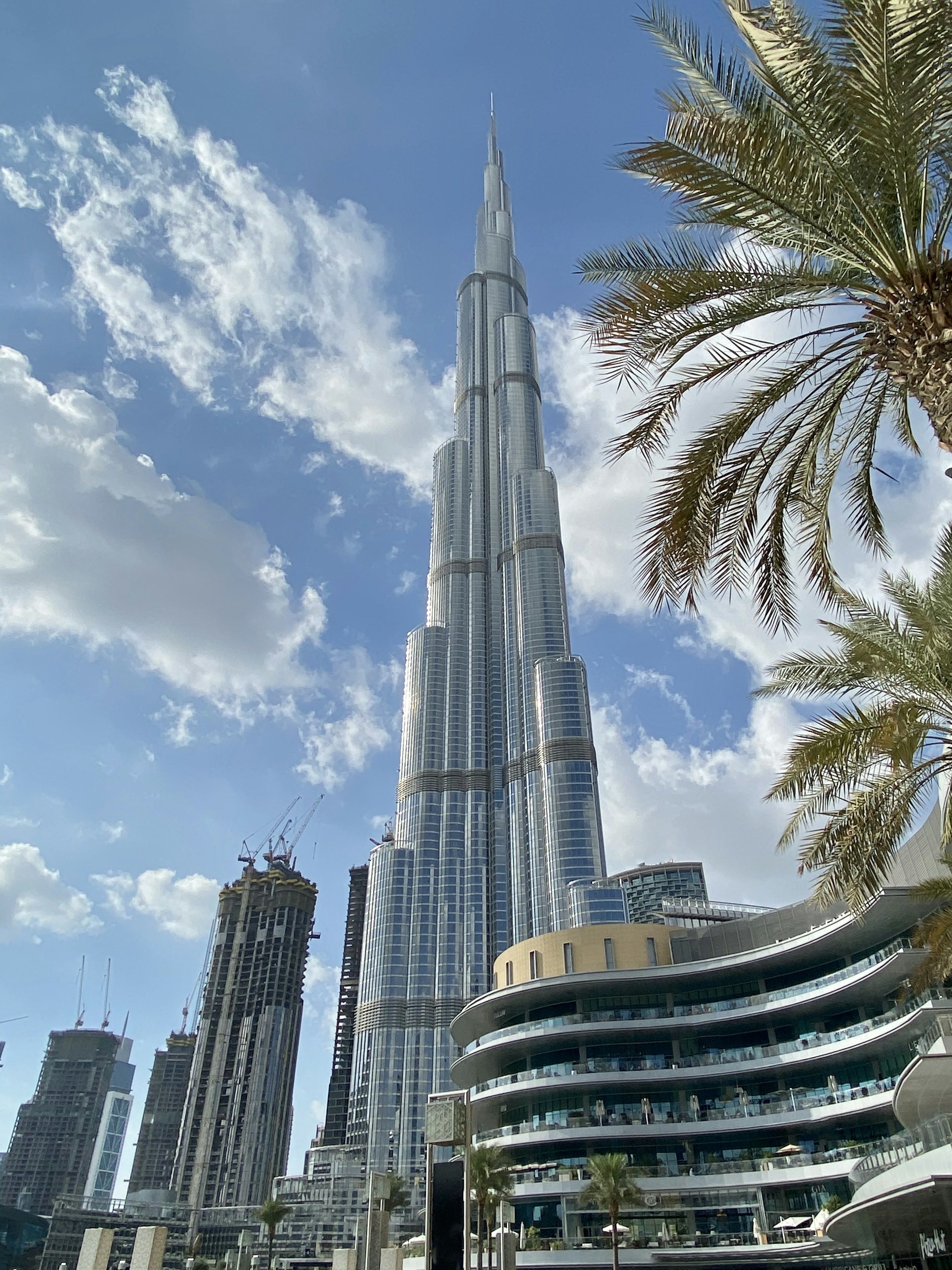
Dubai's property market, with an average price of AED 1,759/sqft in Q1 2026, up 12.5% year-on-year (Source: DLD), is subject to a 5% VAT on property transactions and a 5% municipal tax on rental income. RAK, on the other hand, boasts a zero-tax policy, which translates into higher net yields for investors. RAK's transaction volume reached AED 11B in Q1 2026, marking a 240% year-on-year increase (Source: RAK Properties). This surge indicates a growing appetite for RAK properties among investors, particularly those seeking tax-efficient investments.
| Area / Option | Price/sqft (AED) | Rental Yield | Capital Growth YoY |
|---|---|---|---|
| Hayat Island RAK | 800–1,100 | 6–8% | +18% (2025–2026) |
| Dubai Marina | 1,200–2,200 | 4–5% | +10% (2026) |
| Palm Jumeirah | 2,500–4,500 | 3–4% | +5% (2026) |
| JVC | 700–1,200 | 5–6% | +7% (2026) |
Source: Dubai Land Department, RAK Properties, ValuStrat Q1 2026
Deeper Analysis / Mechanics
The tax implications for overseas investors in RAK versus Dubai are stark. In Dubai, investors must contend with a 5% VAT on property transactions, which can significantly impact the total cost, especially for high-value properties. Additionally, Dubai levies a 5% municipal tax on rental income, reducing the net returns for landlords. In contrast, RAK's zero-tax policy allows investors to retain more of their rental income and capital gains, thereby enhancing the overall return on investment. This difference is particularly pronounced in high-yield areas such as Hayat Island, where rental yields can reach 8%, compared to Dubai Marina's 4-5%.
Specific Locations / Examples with Numbers
Investing in RAK's Hayat Island, for instance, offers investors a competitive edge. With prices ranging from AED 800 to AED 1,100 per sqft and rental yields of 6-8%, Hayat Island presents an attractive investment opportunity. In comparison, Palm Jumeirah, a prime location in Dubai, has prices averaging AED 2,500 to AED 4,500 per sqft with lower rental yields of 3-4%. The capital growth in Hayat Island has been remarkable, with a year-on-year increase of +18% from 2025 to 2026, significantly outpacing Dubai Marina's +10% growth over the same period (Source: ValuStrat).
Risk Factors / What Buyers Miss / Bear Case
While RAK's tax advantages are compelling, investors must also consider the potential risks. RAK's property market, though growing, is not as mature as Dubai's, which could lead to higher volatility in property prices and rental yields. Additionally, the lack of a diversified tenant base in RAK, compared to Dubai's cosmopolitan appeal, could impact rental demand and occupancy rates. Investors should conduct thorough due diligence and consider factors such as property management, tenant acquisition, and exit strategies when evaluating RAK properties.
What to do Next / Practical Steps
For investors considering RAK, it's crucial to engage with a reputable brokerage with direct allocation on key projects. Sofia Sands Realty (RERA 41793) holds direct allocation on Bay Views, Hayat Island, and other premium RAK properties. We provide comprehensive market insights, investment advisory, and post-purchase property management services to ensure a seamless investment experience. Contact us to discuss your investment goals and explore the potential of RAK's property market.
Frequently Asked Questions
What is the VAT rate on property transactions in Dubai?
The VAT rate on property transactions in Dubai is 5%. This tax is applied to the total property value, affecting the overall cost for investors.
Does RAK have any property taxes for investors?
No, RAK has a zero-tax policy for property investments, which means there are no taxes on rental income or capital gains, making it an attractive destination for tax-efficient investments.
How do rental yields in RAK compare to Dubai?
Rental yields in RAK can reach up to 8%, particularly in areas like Hayat Island, compared to Dubai's average of 4-5%, offering higher returns for investors.
What is the average price per sqft for properties in RAK?
The average price per sqft for properties in RAK ranges from AED 800 to AED 1,100, making it more affordable compared to Dubai's prices which average AED 1,759/sqft in Q1 2026.
Are there any restrictions on foreign ownership in RAK?
No, there are no restrictions on foreign ownership in RAK, allowing overseas investors to own property freely.
What is the potential for capital growth in RAK properties?
The potential for capital growth in RAK properties is significant, with areas like Hayat Island experiencing a +18% year-on-year increase from 2025 to 2026.
How does RAK's property market compare to Dubai's in terms of maturity?
While Dubai's property market is more mature, RAK's market is growing rapidly, offering opportunities for higher returns but also potentially higher volatility.
What are the key factors to consider when investing in RAK properties?
Key factors include property location, rental demand, occupancy rates, property management, and exit strategies. It's essential to conduct thorough due diligence before investing.