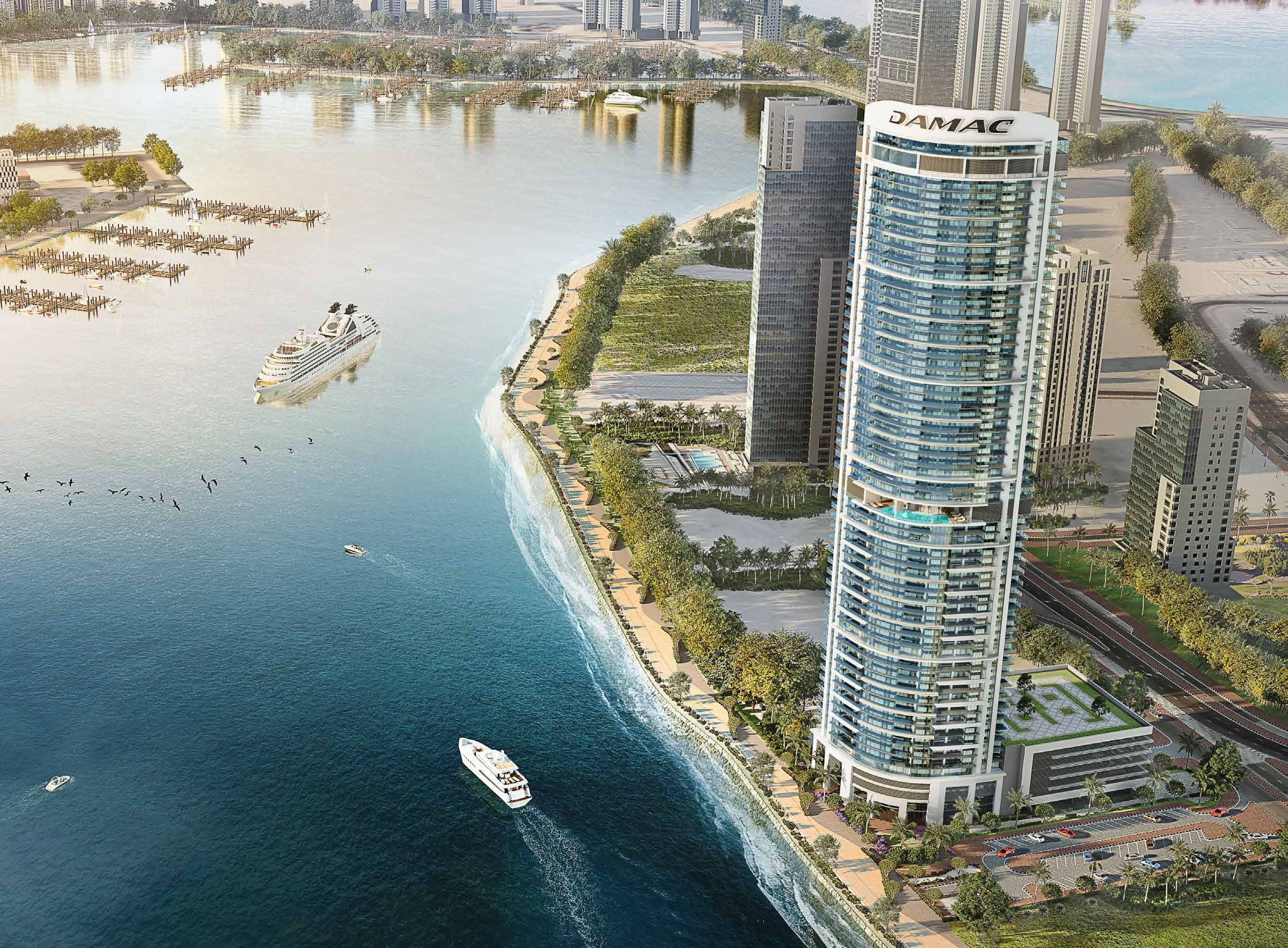
Investing AED 1.5 million in Ras Al Khaimah (RAK) versus Dubai over a five-year period presents distinct outcomes.
Investing AED 1.5 million in Ras Al Khaimah (RAK) versus Dubai over a five-year period presents distinct outcomes. In RAK, the portfolio value, combining rental income and appreciation, is projected to increase by 18% between 2025 and 2026, with a rental yield of 6–8% (RAK Properties, Q1 2026). Comparatively, Dubai offers a more modest capital growth of 10% in 2026, with rental yields varying significantly by location, from 4% in Palm Jumeirah to 7% in JVC (ValuStrat, Q1 2026). Given these figures, an investment in RAK is likely to yield higher total returns over the five-year period.
Core Data and Context
When comparing property investments in RAK and Dubai, it's crucial to consider both the rental income potential and the appreciation of the property value. RAK's property market has seen a significant surge in transaction volume, with a 240% year-on-year increase in Q1 2026, amounting to AED 11 billion (RAK Properties, Q1 2026). This growth is attributed to the development of projects like Hayat Island and Cape Hayat, which are nearing completion, with Cape Hayat at 86.5% completion (RAK Properties, Q1 2026). In contrast, Dubai's property market, with a total sales value of AED 176.7 billion in Q1 2026, is more mature and stable, with off-plan properties averaging AED 2,047 per square foot and ready properties at AED 1,713 per square foot (Dubai Land Department, Q1 2026).
| Area / Option | Price/sqft (AED) | Rental Yield | Capital Growth YoY |
|---|---|---|---|
| Hayat Island RAK | 800–1,100 | 6–8% | +18% (2025–2026) |
| Palm Jumeirah Dubai | 2,500–4,500 | 4–6% | +10% (2026) |
| Dubai Marina | 1,200–2,200 | 5–7% | +10% (2026) |
| JVC Dubai | 700–1,200 | 6–8% | +10% (2026) |
Source: Dubai Land Department, RAK Properties, ValuStrat Q1 2026
Deeper Analysis / Mechanics
The mechanics of property investment returns involve two primary components: rental income and capital appreciation. In RAK, the combination of these factors is particularly compelling due to the region's rapid development and the increasing demand for residential properties. The rental yield in RAK is higher than in Dubai, which can be attributed to the lower cost of properties and the growing population seeking more affordable housing options. Capital appreciation in RAK is also more aggressive, reflecting the region's emerging status as a preferred destination for both residents and investors.
Specific Locations / Examples with Numbers
Hayat Island, for instance, with properties ranging from AED 800 to 1,500 per square foot, offers an attractive investment opportunity with a projected capital growth of 18% between 2025 and 2026 (RAK Properties, Q1 2026). This growth is further supported by the upcoming opening of Wynn Al Marjan in Q1 2027, which will feature over 1,500 rooms, a casino, and a convention center, significantly enhancing the area's appeal (Wynn Al Marjan). In comparison, properties in Dubai's Palm Jumeirah, which are priced between AED 2,500 and 4,500 per square foot, offer a more modest capital growth of 10% in 2026, with rental yields ranging from 4% to 6% (ValuStrat, Q1 2026).
Risk Factors / What Buyers Miss / Bear Case
While the projections for RAK are promising, it's essential to consider the potential risks and challenges. One significant factor is the market's susceptibility to economic downturns, which could affect rental yields and property values. Additionally, the rapid development in RAK might lead to an oversupply of properties, potentially impacting the rental market and capital growth. In contrast, Dubai's more established market offers a degree of stability, although with lower growth prospects. It's crucial for investors to conduct thorough due diligence and consider diversifying their portfolios to mitigate risks.
What to do Next / Practical Steps
For investors looking to capitalize on the growth potential of RAK, it's advisable to engage with local experts who can provide insights into the specific areas and projects with the highest returns. Sofia Sands Realty (sofiasandsrealty.ae, RERA 41793) holds direct allocation on Bay Views, Hayat Island, and can offer personalized advice and support to navigate the RAK property market effectively.
Frequently Asked Questions
What is the average rental yield in RAK?
The average rental yield in RAK ranges from 6% to 8%, which is higher than the average yields in Dubai's key areas. Source: RAK Properties, Q1 2026.
How has the property market in RAK grown in recent years?
The transaction volume in RAK has seen a 240% year-on-year increase in Q1 2026, reaching AED 11 billion. Source: RAK Properties, Q1 2026.
What is the average price per square foot for properties in Hayat Island?
Properties in Hayat Island range from AED 800 to 1,500 per square foot. Source: RAK Properties, Q1 2026.
What is the projected capital growth for Dubai properties in 2026?
The projected capital growth for Dubai properties in 2026 is 10%. Source: ValuStrat, Q1 2026.
What is the average rental yield in Dubai Marina?
The average rental yield in Dubai Marina ranges from 5% to 7%. Source: ValuStrat, Q1 2026.
How does the rental yield in JVC compare to other Dubai areas?
The rental yield in JVC is relatively high, ranging from 6% to 8%, which is higher than in Palm Jumeirah but lower than in RAK. Source: ValuStrat, Q1 2026.
What is the impact of Wynn Al Marjan on the RAK property market?
The opening of Wynn Al Marjan is expected to significantly enhance the appeal of Al Marjan Island and Hayat Island, potentially boosting property values and rental yields. Source: Wynn Al Marjan.
What are the risks associated with investing in RAK properties?
The risks include susceptibility to economic downturns and potential oversupply of properties, which could impact rental markets and capital growth. Source: Knight Frank / CBRE.