As of Q1 2026, the average rental yield in Dubai stands at 4-6%, with specific areas like Palm Jumeirah offering up to 7%, according to the Dubai Land Department.
As of Q1 2026, the average rental yield in Dubai stands at 4-6%, with specific areas like Palm Jumeirah offering up to 7%, according to the Dubai Land Department. In contrast, Ras Al Khaimah presents a more attractive rental yield, averaging 6-8%, with some developments like Hayat Island reaching up to 9%. This disparity is primarily due to the lower property prices in RAK compared to Dubai, coupled with a growing demand for rental properties as the emirate develops.
Core Data and Context
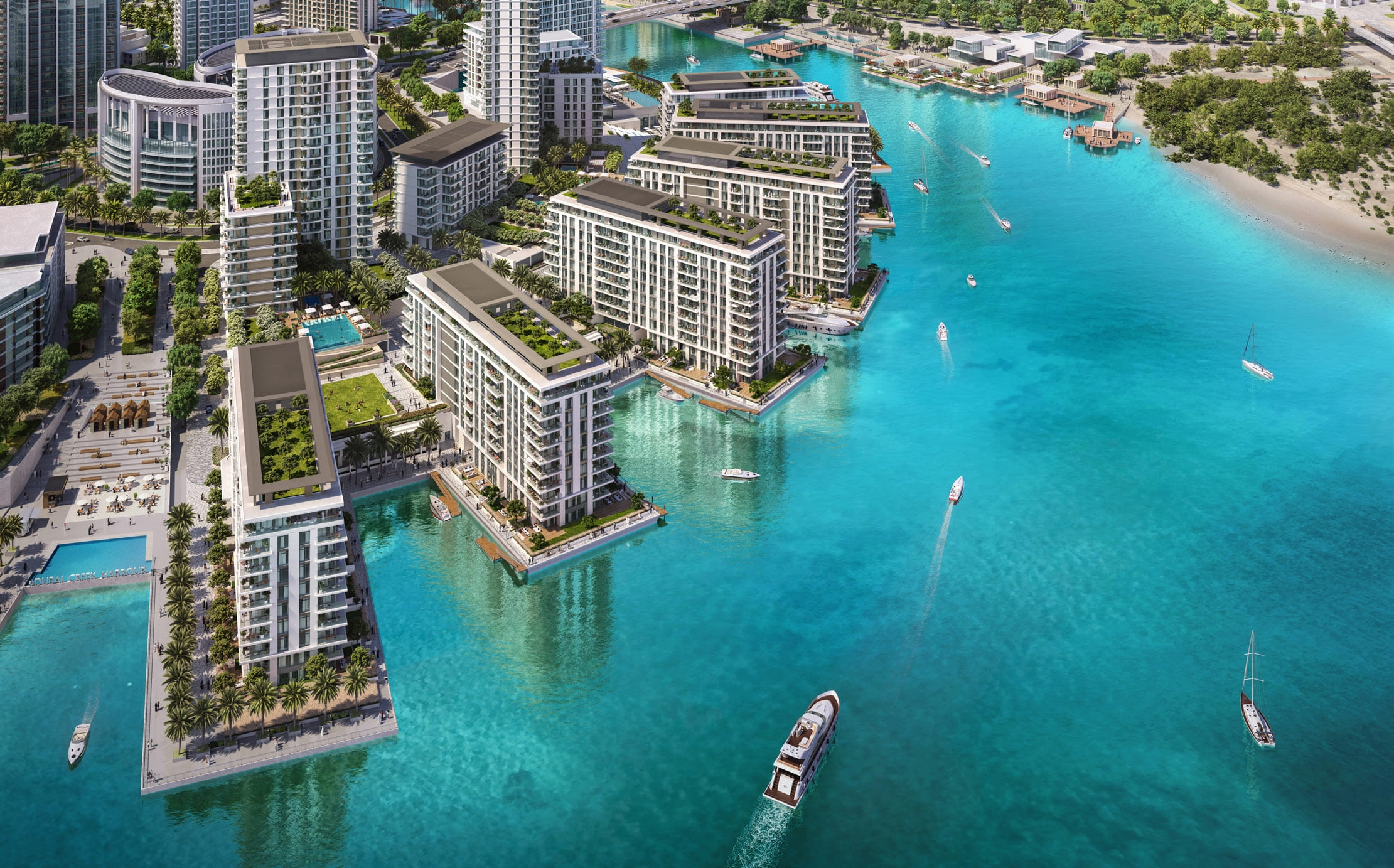
The property market in Dubai and Ras Al Khaimah has been witnessing significant growth and development, with investors seeking higher rental yields. Dubai's property prices averaged AED 1,759/sqft in Q1 2026, up 12.5% year-on-year, as per the Dubai Land Department. This growth, while robust, has somewhat compressed the rental yield due to the increasing capital values. On the other hand, RAK has seen a transaction volume of AED 11B in Q1 2026, marking a 240% increase YoY, indicating a rapidly expanding market with more favorable rental yields, as reported by RAK Properties.
| Area / Option | Price/sqft (AED) | Rental Yield | Capital Growth YoY |
|---|---|---|---|
| Hayat Island RAK | 800–1,100 | 6–8% | +18% (2025–2026) |
| Palm Jumeirah Dubai | 2,500–4,500 | 6–7% | +12% (2025–2026) |
| Dubai Marina | 1,200–2,200 | 4–5% | +10% (2025–2026) |
| JVC Dubai | 700–1,200 | 5–6% | +8% (2025–2026) |
| Al Marjan Island RAK | 650–950 | 7–9% | +15% (2025–2026) |
Source: Dubai Land Department, RAK Properties, ValuStrat Q1 2026
Deeper Analysis / Mechanics
The rental yield is calculated by taking the annual rent of a property and dividing it by the property's purchase price, expressed as a percentage. In Dubai, the high property prices, especially in prime locations such as Palm Jumeirah and Dubai Marina, result in lower yields despite high rental rates. RAK, with its more affordable property prices, offers higher yields even with lower rental rates due to the cost advantage.
Specific Locations / Examples with Numbers
Hayat Island in RAK, for instance, with prices ranging from AED 800 to 1,100/sqft, has seen capital growth of +18% from 2025 to 2026, and offers rental yields of 6-8%. In comparison, Dubai's JVC, with prices between AED 700 to 1,200/sqft, has a more modest capital growth of +8% over the same period and a rental yield of 5-6%. These numbers underscore the potential for higher returns in RAK for investors seeking rental yields over capital appreciation.
Risk Factors / What Buyers Miss / Bear Case
While RAK offers higher rental yields, it's important to consider the risks. The market is less mature than Dubai's, and liquidity can be a concern for investors looking for a quick resale. Additionally, RAK's property market is more sensitive to economic downturns, which could affect rental demand and property values. Investors should conduct thorough due diligence, considering factors such as the development's proximity to amenities, the reputation of the developer, and the long-term growth prospects of the area.
What to do Next / Practical Steps
For investors seeking to capitalize on the current market dynamics, it's advisable to consult with a reputable brokerage with direct allocation on key developments. Sofia Sands Realty (RERA 41793) holds direct allocation on Bay Views, Hayat Island, and other prime locations in RAK and Dubai, providing investors with access to detailed market insights and exclusive opportunities.
Frequently Asked Questions
What is the current average rental yield in Dubai?
The average rental yield in Dubai is 4-6%, with some prime areas like Palm Jumeirah offering up to 7%, as per the Dubai Land Department's Q1 2026 data.
How does Ras Al Khaimah's rental yield compare to Dubai?
Ras Al Khaimah's average rental yield is higher at 6-8%, with select developments reaching up to 9%, according to RAK Properties' Q1 2026 report.
Why are rental yields higher in RAK than Dubai?
The lower property prices in RAK compared to Dubai, combined with growing rental demand, result in higher yields, as indicated by the 240% YoY growth in RAK's transaction volume.
What factors influence rental yields in Dubai and RAK?
Rental yields are influenced by property prices, rental rates, and market demand. Higher property prices in Dubai compress yields, while RAK's lower prices and growing demand support higher yields.
Are there any risks to consider when investing in RAK properties?
Yes, the less mature market in RAK, potential liquidity concerns, and sensitivity to economic downturns are risks investors should consider, as mentioned in the bear case analysis.
How can I get more information on specific property investments in RAK and Dubai?
Consulting with a reputable brokerage like Sofia Sands Realty, which holds direct allocation on key developments, can provide detailed market insights and exclusive opportunities.
What are some prime locations for high rental yields in Dubai?
Palm Jumeirah and Dubai Marina are prime locations for high rental yields, with Palm Jumeirah offering up to 7% as per the Dubai Land Department's Q1 2026 data.
How do I calculate the rental yield of a property?
The rental yield is calculated by dividing the annual rent by the property's purchase price and expressing it as a percentage.