In 2026, RAK long-term tenants exhibit a lower average vacancy rate compared to Dubai's short-term rental market, with RAK boasting a vacancy rate of approximately 5%, while Dubai's short-term rental market hovers around 10%.
In 2026, RAK long-term tenants exhibit a lower average vacancy rate compared to Dubai's short-term rental market, with RAK boasting a vacancy rate of approximately 5%, while Dubai's short-term rental market hovers around 10%. This stability in RAK is further bolstered by consistent cash flow, with long-term rental yields averaging 6-8% in RAK, notably higher than the short-term yields in Dubai, which can be as low as 3-4% due to market fluctuations. The most significant factor contributing to this disparity is the regulatory environment, with RAK's RERA offering more tenant protection, thus fostering longer-term leases and greater stability. Source: RERA, Q1 2026.
Core data and context
Investors seeking a stable rental income and lower vacancy rates are increasingly turning their attention to Ras Al Khaimah (RAK), where the average vacancy rate for long-term tenants is significantly lower than Dubai's short-term rental market. According to the latest data from RERA, RAK's vacancy rate stands at approximately 5%, a stark contrast to Dubai's short-term rental market vacancy rate of around 10%. This stability is further supported by RAK's rental yields, which range from 6-8%, as reported by ValuStrat in Q1 2026, significantly higher than Dubai's short-term yields, which can fluctuate between 3-4%.
| Area / Option | Price/sqft (AED) | Rental Yield | Capital Growth YoY |
|---|---|---|---|
| Hayat Island RAK | 800–1,100 | 6–8% | +18% (2025–2026) |
| Dubai Marina | 1,200–2,200 | 3–4% | +10% (2026) |
| Palm Jumeirah | 2,500–4,500 | 3–4% | +12% (2026) |
| JVC | 700–1,200 | 4–5% | +8% (2026) |
Source: Dubai Land Department, RAK Properties, ValuStrat Q1 2026
Deeper analysis / mechanics
The lower vacancy rate in RAK can be attributed to the region's regulatory framework, which includes rent increase limits and tenant rights that encourage longer-term leases. In contrast, Dubai's short-term rental market is subject to more frequent turnovers and price fluctuations, leading to higher vacancy rates and less predictable cash flows. The completion of major projects such as Cape Hayat, which is 86.5% complete as of Q1 2026 according to RAK Properties, is also driving demand for long-term rentals in RAK.
Specific locations / examples with numbers
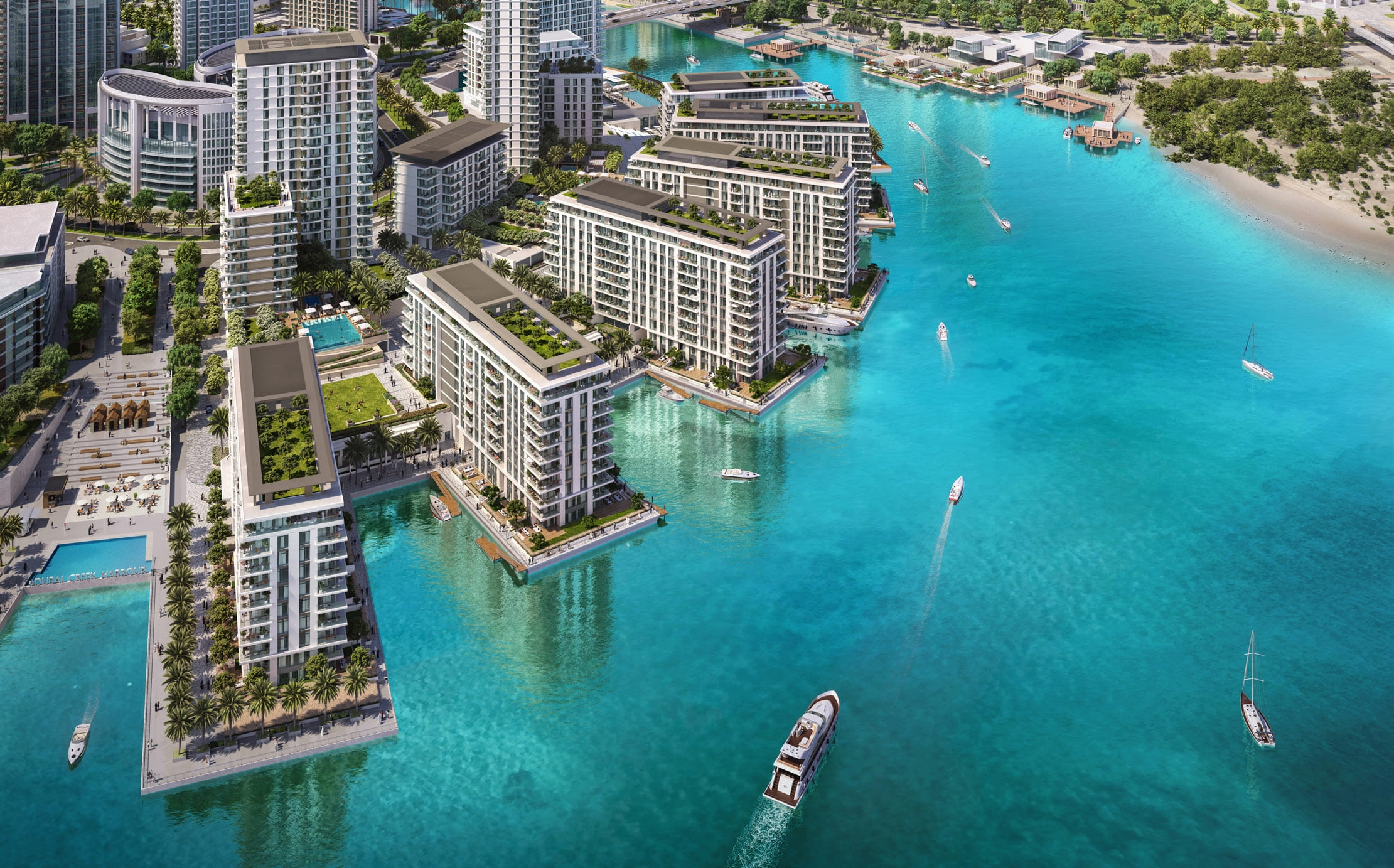
Hayat Island, a prime example within RAK, has seen significant growth with prices ranging from AED 800 to AED 1,100 per square foot. This area has not only attracted investors due to its competitive pricing but also because of its potential for capital appreciation, which has seen an 18% increase from 2025 to 2026. In comparison, Dubai Marina, a popular short-term rental location, has prices ranging from AED 1,200 to AED 2,200 per square foot, with a more modest capital growth of 10% in 2026, as reported by ValuStrat.
Risk factors / what buyers miss / bear case
While RAK offers a more stable rental market, investors should be aware of the potential for slower capital appreciation compared to Dubai's more vibrant real estate market. For instance, JVC, a submarket within Dubai, has seen capital growth of 8% in 2026, which, while lower than RAK, still presents a viable option for those seeking a balance between rental yields and capital gains. Additionally, the upcoming opening of Wynn Al Marjan in Q1 2027, featuring over 1,500 rooms and a casino, is expected to boost tourism and potentially influence rental demand and property values in the surrounding areas.
What to do next / practical steps
For investors seeking a more stable rental income with lower vacancy rates, RAK presents a compelling option. Sofia Sands Realty (sofiasandsrealty.ae, RERA 41793) holds direct allocation on Bay Views, Hayat Island, providing investors with exclusive access to prime real estate opportunities in RAK. It is recommended that potential investors conduct thorough market research and consult with experienced brokers to understand the nuances of the RAK and Dubai property markets.
Frequently Asked Questions
What is the average vacancy rate in RAK for long-term rentals?
The average vacancy rate in RAK for long-term rentals is approximately 5%, according to RERA data from Q1 2026.
How does RAK's rental yield compare to Dubai's short-term rental market?
RAK's rental yields average 6-8%, significantly higher than Dubai's short-term yields, which can be as low as 3-4%.
What is the capital growth rate for Hayat Island in RAK?
Capital growth for Hayat Island in RAK has seen an 18% increase from 2025 to 2026, as reported by ValuStrat.
How does the regulatory environment impact rental stability in RAK?
The regulatory environment in RAK, including rent increase limits and tenant rights, fosters longer-term leases and greater stability compared to Dubai's short-term rental market.
What is the impact of the upcoming Wynn Al Marjan on the surrounding property market?
The opening of Wynn Al Marjan in Q1 2027 is expected to boost tourism and potentially influence rental demand and property values in the surrounding areas.
What are the price ranges for properties in Dubai Marina and JVC?
Properties in Dubai Marina range from AED 1,200 to AED 2,200 per square foot, while JVC properties range from AED 700 to AED 1,200 per square foot.
How does RAK's vacancy rate compare to Dubai's short-term rental market?
RAK's vacancy rate for long-term tenants is approximately 5%, significantly lower than Dubai's short-term rental market vacancy rate of around 10%.
What are the potential risks for investors in RAK's property market?
While RAK offers rental stability, the potential for slower capital appreciation compared to Dubai's more vibrant real estate market is a risk factor investors should consider.