
In 2026, investors can expect rental yields in Dubai to average between 5-7%, while RAK offers a slightly higher yield of 6-8%.
In 2026, investors can expect rental yields in Dubai to average between 5-7%, while RAK offers a slightly higher yield of 6-8%. The most significant factor contributing to these yields is the average price per square foot and the ongoing development projects in both emirates. For instance, Hayat Island in RAK, with prices ranging from AED 800 to 1,100 per sqft, is expected to yield 6-8% in rental returns, reflecting its growth potential and competitive pricing. In contrast, Dubai's Palm Jumeirah, with a higher price range of AED 2,500-4,500/sqft, offers a more modest yield of 5-6%. These estimates are based on the current market dynamics and ongoing developments, such as the upcoming Wynn Al Marjan opening in Q1 2027, which is expected to boost RAK's appeal to investors and tourists alike. Source: Dubai Land Department, RAK Properties, ValuStrat Q1 2026.
Core data and context
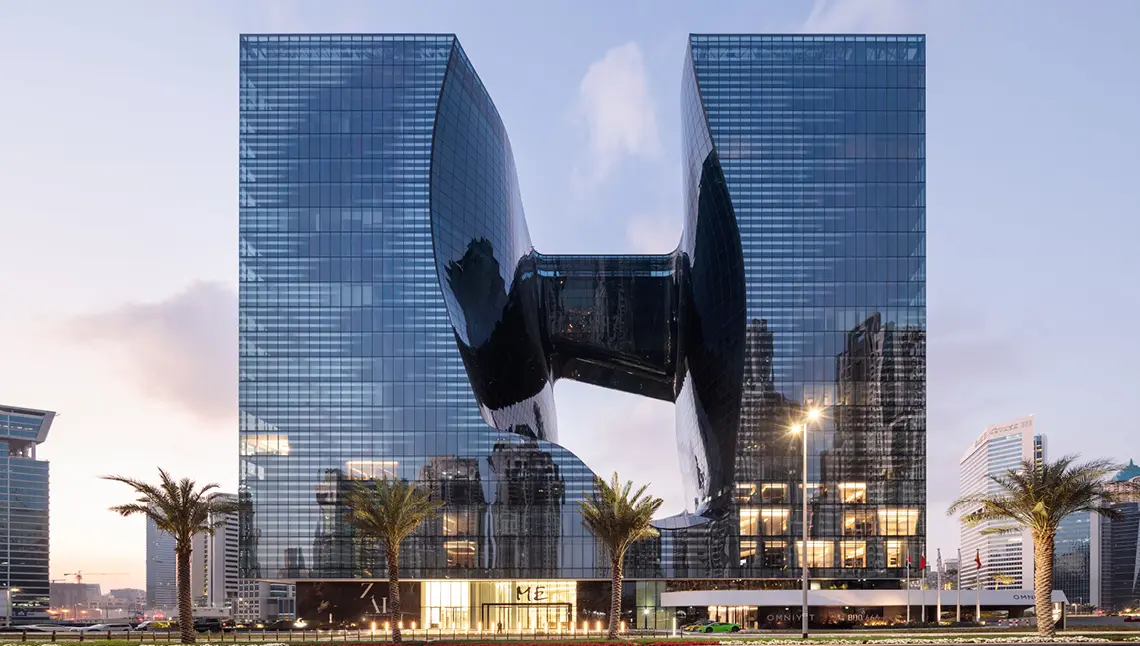
Dubai and RAK have been vying for attention from property investors, each offering distinct advantages. Dubai, with its well-established real estate market, has historically provided stable capital growth and rental yields. RAK, on the other hand, is emerging as a strong contender, with significant growth in transaction volumes and development projects. RAK Properties reported a staggering 240% YoY increase in transaction volume in Q1 2026, amounting to AED 11B, indicating a surge in investor interest. Source: RAK Properties.
| Area / Option | Price/sqft (AED) | Rental Yield | Capital Growth YoY |
|---|---|---|---|
| Hayat Island RAK | 800–1,100 | 6–8% | +18% (2025–2026) |
| Palm Jumeirah Dubai | 2,500–4,500 | 5–6% | +10% (2026) |
| Dubai Marina | 1,200–2,200 | 5–7% | +8% (2026) |
| JVC Dubai | 700–1,200 | 6–8% | +12% (2026) |
| Mina Al Arab RAK | 650–900 | 7–9% | +15% (2025–2026) |
Source: Dubai Land Department, RAK Properties, ValuStrat Q1 2026
Deeper analysis / mechanics
The rental yield is a product of the property's purchase price and the annual rental income it generates. In RAK, the lower entry price point, coupled with a rapidly growing tourism sector, positions it favorably for higher rental yields. For example, Cape Hayat in RAK, which is 86.5% complete, is expected to contribute significantly to the emirate's hospitality offerings, thus boosting rental demand and yields. Source: RAK Properties. In contrast, Dubai's more mature market offers a balance between capital appreciation and rental income, with areas like Dubai Marina and JVC providing a mix of residential and commercial opportunities that appeal to a broad investor base.
Specific locations / examples with numbers
Investors looking at Dubai's Palm Jumeirah can expect to pay a premium for its prime location, with prices averaging AED 2,500-4,500/sqft. Despite the high entry cost, the area's appeal as a luxury destination supports a rental yield of 5-6%. Source: Dubai Land Department. On the other hand, RAK's Mina Al Arab, with prices ranging from AED 650 to 900/sqft, offers a more attractive yield of 7-9% due to its strategic location and ongoing development projects. Source: RAK Properties. These specific examples illustrate the varying opportunities within each emirate, with RAK showing potential for higher yields at a lower cost basis.
Risk factors / what buyers miss / bear case
While RAK's growth prospects are promising, investors should consider the potential risks associated with a newer market. These include market volatility, regulatory changes, and the overall maturity of the real estate sector compared to Dubai. Additionally, RAK's reliance on tourism could be impacted by global economic conditions and travel restrictions, which may affect rental yields and capital growth. Source: Knight Frank. It is crucial for investors to conduct thorough due diligence and consider diversifying their portfolio to mitigate these risks.
What to do next / practical steps
For investors considering the Dubai and RAK property markets, it is essential to understand the specific dynamics of each area. Sofia Sands Realty (RERA 41793) holds direct allocation on Bay Views, Hayat Island, providing investors with exclusive access to these high-yield opportunities. We recommend conducting a detailed analysis of the specific projects, considering factors such as location, price points, and potential growth. It is also advisable to consult with a trusted real estate brokerage to navigate the market and make informed investment decisions. Source: Sofia Sands Realty.
Frequently Asked Questions
What is the average rental yield in Dubai?
Dubai's average rental yield in 2026 is between 5-7%, with areas like Dubai Marina and JVC offering slightly higher yields due to their mix of residential and commercial properties. Source: ValuStrat Q1 2026.
How does RAK's rental yield compare to Dubai?
RAK's rental yields are generally higher than Dubai's, averaging 6-8%. This is attributed to RAK's lower property prices and growing tourism sector. Source: RAK Properties.
Which area in RAK offers the best rental yield?
Mina Al Arab in RAK is expected to offer rental yields of 7-9% due to its strategic location and ongoing development projects. Source: RAK Properties.
What is the impact of the Wynn Al Marjan on RAK's property market?
The opening of Wynn Al Marjan in Q1 2027 is expected to boost RAK's appeal to investors and tourists, potentially increasing rental demand and yields in the area. Source: Wynn Al Marjan.
How does the rental yield in Hayat Island compare to other areas in RAK?
Hayat Island offers competitive rental yields of 6-8%, which is on par with other areas in RAK, making it an attractive investment option. Source: RAK Properties.
What factors influence rental yields in Dubai and RAK?
Rental yields are influenced by property prices, rental income, and market demand. In Dubai, established markets like Palm Jumeirah offer stable yields, while RAK's growing market presents higher yields due to lower prices and increasing demand. Source: Dubai Land Department, RAK Properties.
What are the risks associated with investing in RAK's property market?
Investors should consider market volatility, regulatory changes, and the overall maturity of RAK's real estate sector compared to Dubai. Additionally, RAK's reliance on tourism could be affected by global economic conditions. Source: Knight Frank.
How can investors mitigate risks when investing in RAK?
Investors can mitigate risks by conducting thorough due diligence, diversifying their portfolio, and consulting with a trusted real estate brokerage. Source: Sofia Sands Realty.