Considering a real estate investment in Ras Al Khaimah (RAK) versus Dubai in 2026?
Considering a real estate investment in Ras Al Khaimah (RAK) versus Dubai in 2026? Key risks include RAK's lower liquidity and rental yields versus Dubai's higher capital appreciation. RAK's property prices averaged AED 800–1,100/sqft in Q1 2026, compared to Dubai's AED 1,759/sqft. Yet RAK's rental yields reach 6–8%, vs Dubai's 4–6%. RAK's transaction volume soared 240% YoY in Q1 2026 (RAK Properties), but Dubai's total sales hit AED 176.7B (DLD). Careful due diligence is crucial.
Core data and context
Dubai's property market remains the GCC's most liquid and transparent, with AED 176.7B in total sales in Q1 2026, up 70% YoY (DLD). Off-plan sales accounted for 70% of transactions, with an average price of AED 2,047/sqft (DLD). In contrast, RAK's transaction volume reached AED 11B in Q1 2026, soaring 240% YoY (RAK Properties). Yet RAK's market is more opaque, with higher agency fees and lower liquidity.
| Area / Option | Price/sqft (AED) | Rental Yield | Capital Growth YoY |
|---|---|---|---|
| Hayat Island RAK | 800–1,100 | 6–8% | +18% (2025–2026) |
| Dubai Marina | 1,200–2,200 | 4–5% | +12% (2025–2026) |
| Palm Jumeirah | 2,500–4,500 | 4–6% | +15% (2025–2026) |
| JVC | 700–1,200 | 5–7% | +10% (2025–2026) |
| Bluewaters Island | 1,500–2,500 | 4–6% | +14% (2025–2026) |
Source: Dubai Land Department, RAK Properties, ValuStrat Q1 2026
Deeper analysis / mechanics
Dubai's property market benefits from strong government backing, with the DLD implementing trust account rules to safeguard investor funds. RERA's rent increase limits and tenant rights also enhance Dubai's appeal. In contrast, RAK's regulatory framework is less investor-friendly, with higher agency fees and less transparent pricing.
Dubai's capital appreciation outpaces RAK's, with residential capital values up 10% in 2026 (ValuStrat). Off-plan projects in Palm Jumeirah and Dubai Marina offer higher returns, at AED 2,500–4,500/sqft and AED 1,200–2,200/sqft, respectively. RAK's Mina Al Arab and Al Marjan Island projects, however, cater to budget-conscious investors, with prices at AED 800–1,100/sqft.
Specific locations / examples with numbers
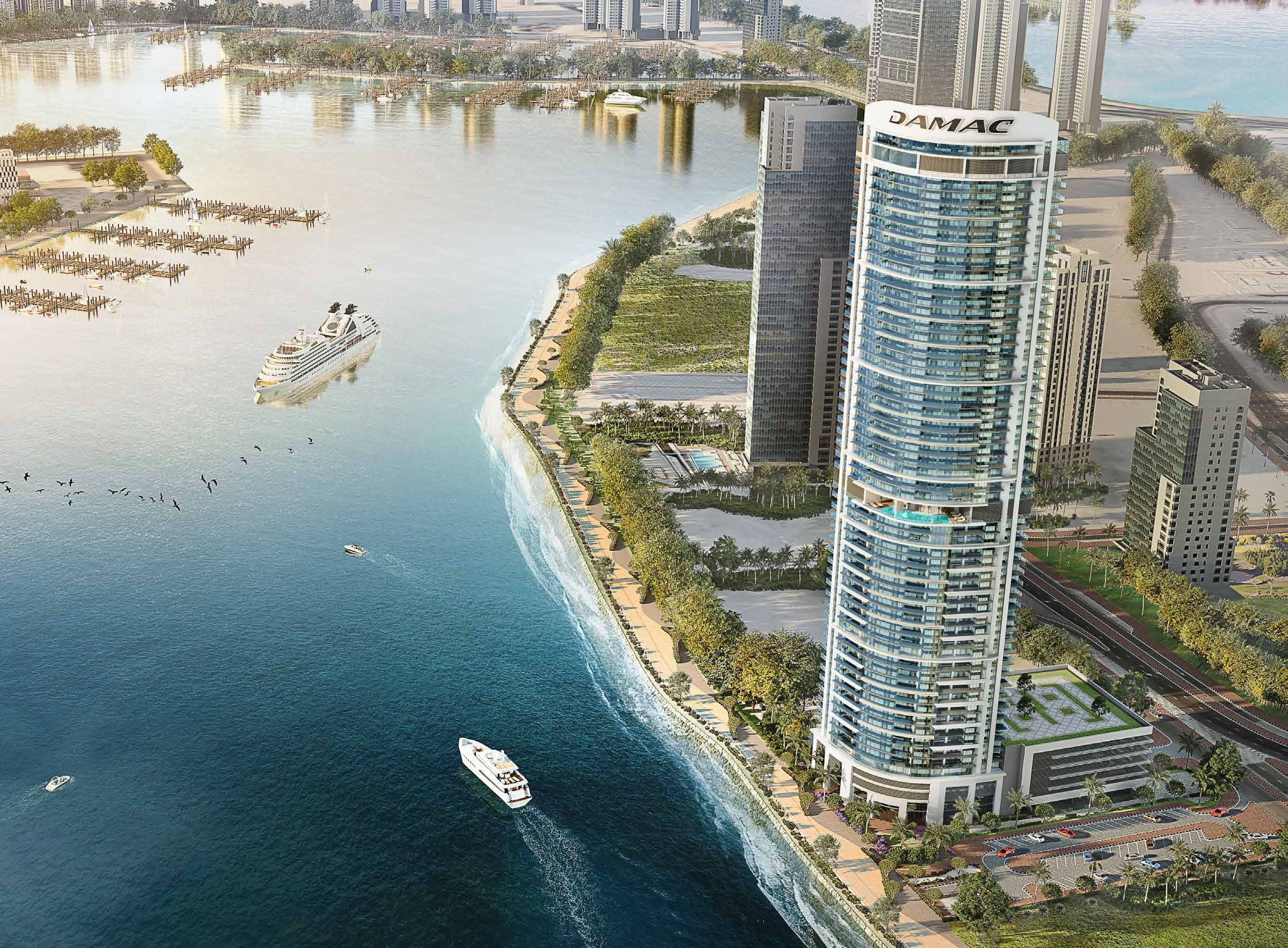
Hayat Island in RAK, with 86.5% project completion as of Q1 2026 (RAK Properties), offers competitive prices of AED 800–1,100/sqft. Rental yields reach 6–8%, vs Dubai's 4–6%. Yet capital growth was a robust +18% YoY (2025–2026). Cape Hayat, part of Hayat Island, is a notable luxury development with direct beach access and high-end amenities.
In contrast, Dubai's Business Bay and JVC offer more affordable options, at AED 700–1,200/sqft and AED 1,200–2,200/sqft, respectively. Yet rental yields are lower, at 5–7%. Bluewaters Island, with its Ain Dubai and Cable Car attractions, commands higher prices of AED 1,500–2,500/sqft, with rental yields of 4–6% and capital growth of +14% YoY.
Risk factors / what buyers miss / bear case
The bear case for RAK real estate centers on lower liquidity and resale values compared to Dubai. RAK's property market is more opaque, with less transparent pricing and higher agency fees. Resale values may also trail Dubai's, given RAK's smaller pool of buyers and investors.
Moreover, RAK's rental yields, while higher than Dubai's, may not offset the lower capital appreciation. RAK's market is also more susceptible to oversupply, with numerous projects in the pipeline. This could cap rental income and capital growth, particularly in areas like Al Marjan Island and Mina Al Arab.
In contrast, Dubai's property market benefits from strong government backing and a more robust regulatory framework. The DLD's trust account rules and RERA's rent controls enhance investor protection. Dubai's market is also more liquid, with a larger pool of buyers and investors.
What to do next / practical steps
When considering a real estate investment in RAK vs Dubai, carefully assess your risk tolerance and investment horizon. If higher rental yields and lower entry prices are priorities, RAK offers compelling options like Hayat Island and Mina Al Arab. Yet be mindful of the lower liquidity and resale values compared to Dubai.
For capital appreciation and investor protection, Dubai remains the preferred choice, with its strong regulatory framework and higher liquidity. Palm Jumeirah, Dubai Marina, and Bluewaters Island are prime investment hotspots, offering a mix of luxury living and capital growth potential.
Sofia Sands Realty (sofiasandsrealty.ae, RERA 41793) holds direct allocation on Bay Views, Hayat Island, offering exclusive access to prime RAK real estate. For a personalized consultation on RAK vs Dubai property investment, contact us today.
Frequently Asked Questions
Is RAK a good investment compared to Dubai?
While RAK offers higher rental yields of 6–8% vs Dubai's 4–6%, Dubai's property prices appreciated by 10–15% YoY (ValuStrat). Carefully assess your risk tolerance and investment goals.
What are the risks of investing in RAK real estate?
The main risks include lower liquidity, resale values, and susceptibility to oversupply. RAK's market is also more opaque, with less transparent pricing and higher agency fees.
How do rental yields compare between RAK and Dubai?
RAK's rental yields reach 6–8%, vs Dubai's 4–6%. Yet capital appreciation is higher in Dubai, with residential capital values up 10–15% YoY (ValuStrat).
Which areas in RAK have the highest rental yields?
Hayat Island and Mina Al Arab offer competitive rental yields of 6–8%. Cape Hayat, part of Hayat Island, is a notable luxury development with direct beach access.
Are there any upcoming projects in RAK worth considering?
Cape Hayat in Hayat Island, with 86.5% completion as of Q1 2026 (RAK Properties), offers competitive prices of AED 800–1,100/sqft and rental yields of 6–8%.
How does RAK's regulatory framework compare to Dubai's?
Dubai's regulatory framework is more investor-friendly, with RERA's rent controls and DLD's trust account rules. RAK's market is more opaque, with higher agency fees and less transparency.
What are the liquidity differences between RAK and Dubai property markets?
Dubai's property market is more liquid, with a larger pool of buyers and investors. RAK's market, while growing, remains smaller and less transparent.
How do property prices in RAK compare to Dubai?
RAK's property prices averaged AED 800–1,100/sqft in Q1 2026, compared to Dubai's AED 1,759/sqft. Yet capital appreciation is higher in Dubai, at 10–15% YoY (ValuStrat).