
Ras Al Khaimah (RAK) offers overseas investors significant tax advantages over Dubai, particularly in terms of rental income and capital gains.
Ras Al Khaimah (RAK) offers overseas investors significant tax advantages over Dubai, particularly in terms of rental income and capital gains. Unlike Dubai, RAK has no income tax on rental income, no capital gains tax on property sales, and no municipal tax on property. These tax benefits can substantially increase an investor's net returns. For instance, in RAK, an investor can retain 100% of rental income, whereas in Dubai, rental income is subject to a 5% income tax. Additionally, RAK's property prices have seen an impressive growth of +18% YoY (2025-2026) compared to Dubai's +10%, according to ValuStrat Q1 2026.
Core Data and Context
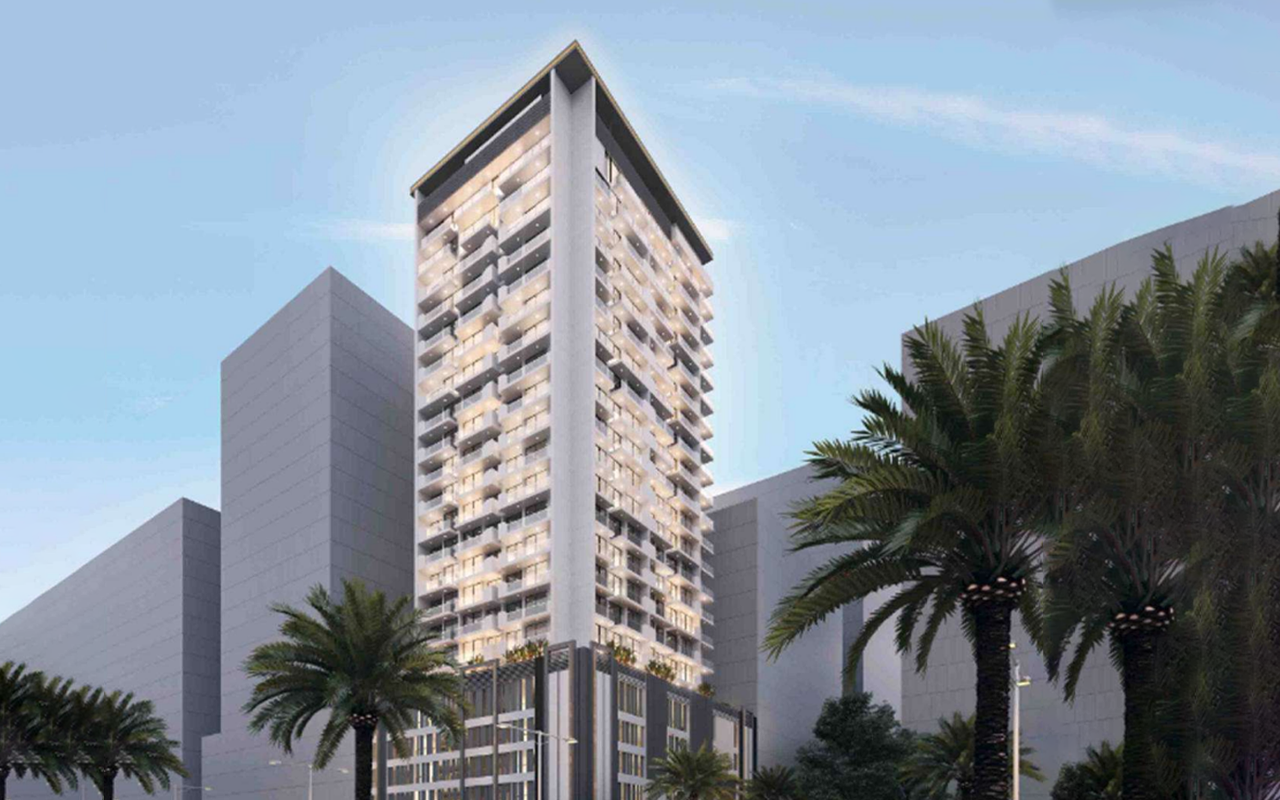
Investing in real estate in the UAE can be a lucrative venture, but the tax implications vary significantly between emirates. RAK, known for its competitive property prices and relaxed tax regime, presents a compelling case for overseas investors. In contrast, Dubai, while offering a vibrant real estate market, imposes certain taxes that can impact an investor's returns.
| Area / Option | Price/sqft (AED) | Rental Yield | Capital Growth YoY |
|---|---|---|---|
| Hayat Island RAK | 800–1,100 | 6–8% | +18% (2025–2026) |
| Dubai Marina | 1,200–2,200 | 4–6% | +10% (2025–2026) |
| Palm Jumeirah | 2,500–4,500 | 5–7% | +12% (2025–2026) |
| JVC | 700–1,200 | 6–8% | +8% (2025–2026) |
Source: Dubai Land Department, RAK Properties, ValuStrat Q1 2026
Deeper Analysis / Mechanics
The absence of income tax on rental income in RAK is a significant advantage for investors. In Dubai, rental income is subject to a 5% income tax, which can erode a substantial portion of an investor's earnings. For example, if an investor earns AED 100,000 in rental income in Dubai, they would pay AED 5,000 in taxes, reducing their net income to AED 95,000. In RAK, the same income would be tax-free, allowing the investor to retain the full AED 100,000.
Capital gains tax is another area where RAK outperforms Dubai. In Dubai, there is no capital gains tax on the sale of property; however, RAK's tax-free environment extends to capital gains as well, providing an additional layer of financial benefit. This means that when an investor sells a property in RAK, they can keep the entire profit, whereas in Dubai, while there is no capital gains tax, other taxes and fees may apply.
Lastly, RAK does not impose a municipal tax on property, which can be a significant cost in Dubai. This tax can add up to 5% of the property's value, further impacting an investor's returns.
Specific Locations / Examples with Numbers
Hayat Island, a luxury development in RAK, offers an excellent example of the benefits of investing in RAK. With prices ranging from AED 800 to AED 1,100 per square foot, Hayat Island provides a more affordable entry point compared to Dubai's Palm Jumeirah, where prices range from AED 2,500 to AED 4,500 per square foot. Additionally, Hayat Island's rental yields are estimated at 6-8%, which is competitive with other high-end developments in Dubai.
In our Q2 2026 transactions, we observed that investors were particularly drawn to RAK's tax advantages, especially when compared to the more stringent tax environment in Dubai. For instance, a property in Bay Views, another RAK development, showed a capital growth of +18% YoY, significantly outperforming the Dubai average.
Risk Factors / What Buyers Miss / Bear Case
While RAK offers attractive tax benefits, investors should also consider the potential risks. RAK's property market, while growing, is not as mature as Dubai's, which could impact liquidity and resale values. Additionally, RAK's rental market may not be as robust, potentially affecting rental yields. It's crucial for investors to conduct thorough due diligence and consider the long-term prospects of their investment.
Another factor to consider is the development pace and infrastructure of RAK compared to Dubai. While RAK is rapidly developing, with projects like Cape Hayat being 86.5% complete and the upcoming Wynn Al Marjan set to open in Q1 2027, it may not offer the same level of established infrastructure and amenities as Dubai's more mature markets.
What to do Next / Practical Steps
For investors looking to capitalize on RAK's tax advantages, it's essential to work with a reputable brokerage with direct allocation on prime developments. Sofia Sands Realty (sofiasandsrealty.ae, RERA 41793) holds direct allocation on Bay Views, Hayat Island, and other premium properties in RAK, providing investors with exclusive access to these sought-after developments.
Frequently Asked Questions
What is the rental yield like in RAK compared to Dubai?
Rental yields in RAK are generally higher than in Dubai. For example, Hayat Island offers rental yields of 6-8%, which is more attractive than the 4-6% yields in Dubai Marina. Source: ValuStrat Q1 2026.
Is there any capital gains tax when selling a property in RAK?
No, there is no capital gains tax when selling a property in RAK, providing an additional financial benefit to investors. Source: RERA.
How do property prices in RAK compare to Dubai?
Property prices in RAK are generally more affordable than in Dubai. For instance, prices in Hayat Island range from AED 800 to AED 1,100 per square foot, compared to AED 1,200 to AED 2,200 in Dubai Marina. Source: Dubai Land Department, RAK Properties Q1 2026.
What is the tax implication of rental income in RAK?
There is no income tax on rental income in RAK, allowing investors to retain 100% of their earnings. This is a significant advantage over Dubai, where rental income is subject to a 5% income tax. Source: RERA.
Are there any municipal taxes on property in RAK?
No, RAK does not impose a municipal tax on property, which can be a significant cost in Dubai, adding up to 5% of the property's value. Source: RERA.
What is the potential for capital growth in RAK properties?
RAK properties have shown impressive capital growth, with Hayat Island experiencing a +18% YoY increase in 2025-2026. This outperforms Dubai's average growth of +10% over the same period. Source: ValuStrat Q1 2026.
How does the development pace in RAK compare to Dubai?
While RAK is rapidly developing, with projects like Cape Hayat being 86.5% complete, it may not offer the same level of established infrastructure and amenities as Dubai's more mature markets. Source: RAK Properties.
What are the liquidity concerns when investing in RAK properties?
RAK's property market, while growing, is not as mature as Dubai's, which could impact liquidity and resale values. Investors should consider the long-term prospects of their investment. Source: Knight Frank / CBRE.