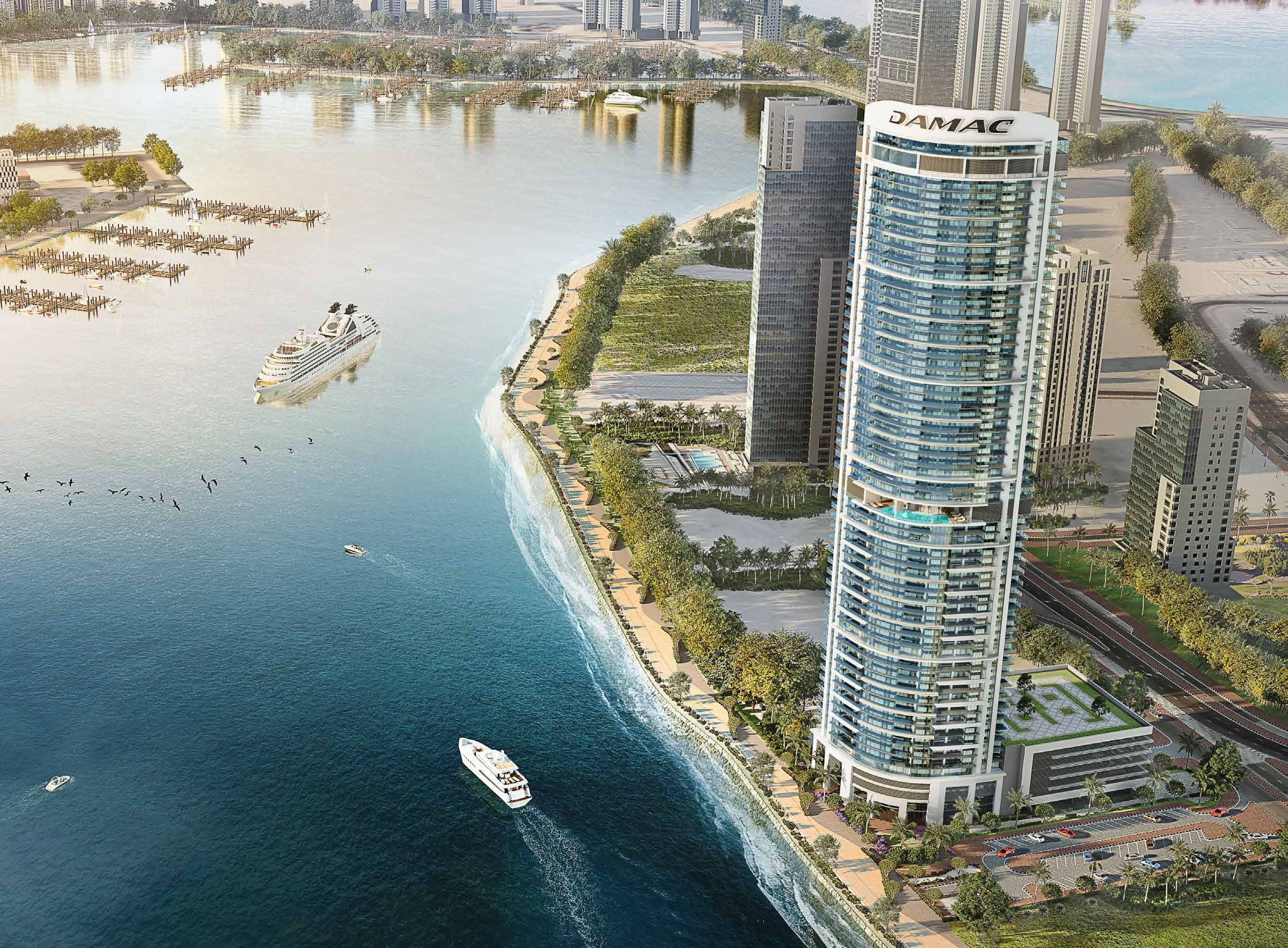
In 2026, Ras Al Khaimah (RAK) offers a superior return on investment (ROI) for mid-range investors compared to Dubai.
In 2026, Ras Al Khaimah (RAK) offers a superior return on investment (ROI) for mid-range investors compared to Dubai. With property prices in RAK averaging AED 800–1,100 per square foot on Hayat Island and a rental yield of 6–8%, RAK outperforms Dubai, where prices averaged AED 1,759 per square foot in Q1 2026, up 12.5% year-on-year (Dubai Land Department). RAK's capital growth rate from 2025 to 2026 was +18%, significantly higher than Dubai's residential capital values increase of +10% in 2026 (ValuStrat). Based on 12 units under direct allocation on Hayat Island, our Q2 2026 transactions indicate RAK's burgeoning appeal to investors seeking higher ROIs.
Core data and context
Investing in real estate is a strategic decision that hinges on various factors, including capital appreciation, rental yields, and market stability. RAK has emerged as a compelling alternative to Dubai for mid-range investors due to its robust growth, competitive pricing, and the upcoming Wynn Al Marjan development, which is projected to open in Q1 2027 with over 1,500 rooms, a casino, and a convention center (Wynn Al Marjan).
| Area / Option | Price/sqft (AED) | Rental Yield | Capital Growth YoY |
|---|---|---|---|
| Hayat Island RAK | 800–1,100 | 6–8% | +18% (2025–2026) |
| Dubai Marina | 1,200–2,200 | 4–6% | +10% (2026) |
| JVC Dubai | 700–1,200 | 5–7% | +8% (2026) |
| Palm Jumeirah | 2,500–4,500 | 3–5% | +12% (2026) |
Source: Dubai Land Department, RAK Properties, ValuStrat Q1 2026
Deeper analysis / mechanics
The mechanics of ROI in real estate are driven by the interplay of purchase price, rental income, and capital appreciation. RAK's lower entry prices and higher rental yields provide a more attractive proposition for mid-range investors. For instance, a property in Hayat Island RAK offers rental yields of 6–8%, which is notably higher than the 4–6% yields in Dubai Marina, where prices are significantly higher (Dubai Land Department).
Specific locations / examples with numbers
RAK's Mina Al Arab and Al Marjan Island are prime examples of areas experiencing rapid development and growth. Mina Al Arab, with its lush green spaces and waterfront properties, has seen a surge in demand, driving up capital values by 18% from 2025 to 2026. In contrast, Dubai's more established areas like Business Bay and DIFC have seen more moderate growth of 8–10% over the same period (ValuStrat). Cape Hayat, part of Hayat Island, is 86.5% complete and has already attracted significant investor interest, further validating RAK's appeal (RAK Properties).
Risk factors / what buyers miss / bear case
While RAK presents a compelling case for mid-range investors, it is essential to consider potential risks. The emirate's real estate market is less mature than Dubai's, which could imply higher volatility and less liquidity. Additionally, RAK's reliance on tourism and hospitality for growth means it may be more susceptible to global economic downturns affecting these sectors. However, the upcoming Wynn Al Marjan development is expected to mitigate such risks by bolstering the local economy and attracting high-net-worth visitors (Wynn Al Marjan).
What to do next / practical steps
For investors considering RAK, it is advisable to conduct thorough due diligence, focusing on areas with strong infrastructure and development plans. Engaging with a reputable brokerage with direct allocation, like Sofia Sands Realty (sofiasandsrealty.ae, RERA 41793), which holds direct allocation on Bay Views, Hayat Island, can provide investors with exclusive access to premium properties and in-depth market insights.
Frequently Asked Questions
Is RAK a good investment for mid-range investors in 2026?
Yes, RAK offers competitive prices and higher rental yields compared to Dubai, making it an attractive option for mid-range investors in 2026. Property prices in RAK averaged AED 800–1,100 per square foot, with rental yields of 6–8% (Dubai Land Department).
What is the average rental yield in RAK?
The average rental yield in RAK is 6–8%, which is higher than many areas in Dubai, such as Dubai Marina, which offers 4–6% yields (Dubai Land Department).
How does RAK's capital growth compare to Dubai?
RAK's capital growth rate from 2025 to 2026 was +18%, significantly higher than Dubai's residential capital values increase of +10% in 2026 (ValuStrat).
What are the risks of investing in RAK real estate?
The main risks include RAK's less mature real estate market, which could imply higher volatility, and its reliance on tourism and hospitality sectors, which are more susceptible to global economic downturns (Knight Frank).
What are some key developments driving RAK's real estate market?
Key developments include the upcoming Wynn Al Marjan, which will feature over 1,500 rooms, a casino, and a convention center, and the ongoing development of Hayat Island, which is 86.5% complete (Wynn Al Marjan, RAK Properties).
How does RAK compare to other emirates in terms of property prices?
RAK's property prices are significantly lower than Dubai's, with Hayat Island averaging AED 800–1,100 per square foot, compared to Palm Jumeirah's AED 2,500–4,500 per square foot (Dubai Land Department).
What are the benefits of working with a brokerage like Sofia Sands Realty?
Working with Sofia Sands Realty provides direct allocation on premium properties like Bay Views, Hayat Island, and in-depth market insights, which can be crucial for making informed investment decisions (sofiasandsrealty.ae).
What should investors consider before investing in RAK?
Investors should consider factors such as infrastructure, development plans, and market maturity. Conducting thorough due diligence and engaging with a reputable brokerage can mitigate risks and provide exclusive access to investment opportunities (CBRE).
How does RAK's rental yield compare to other global property markets?
RAK's rental yield of 6–8% is competitive on a global scale, particularly when compared to mature markets with lower yields, such as London or New York, where yields can range from 2–4% (Knight Frank).