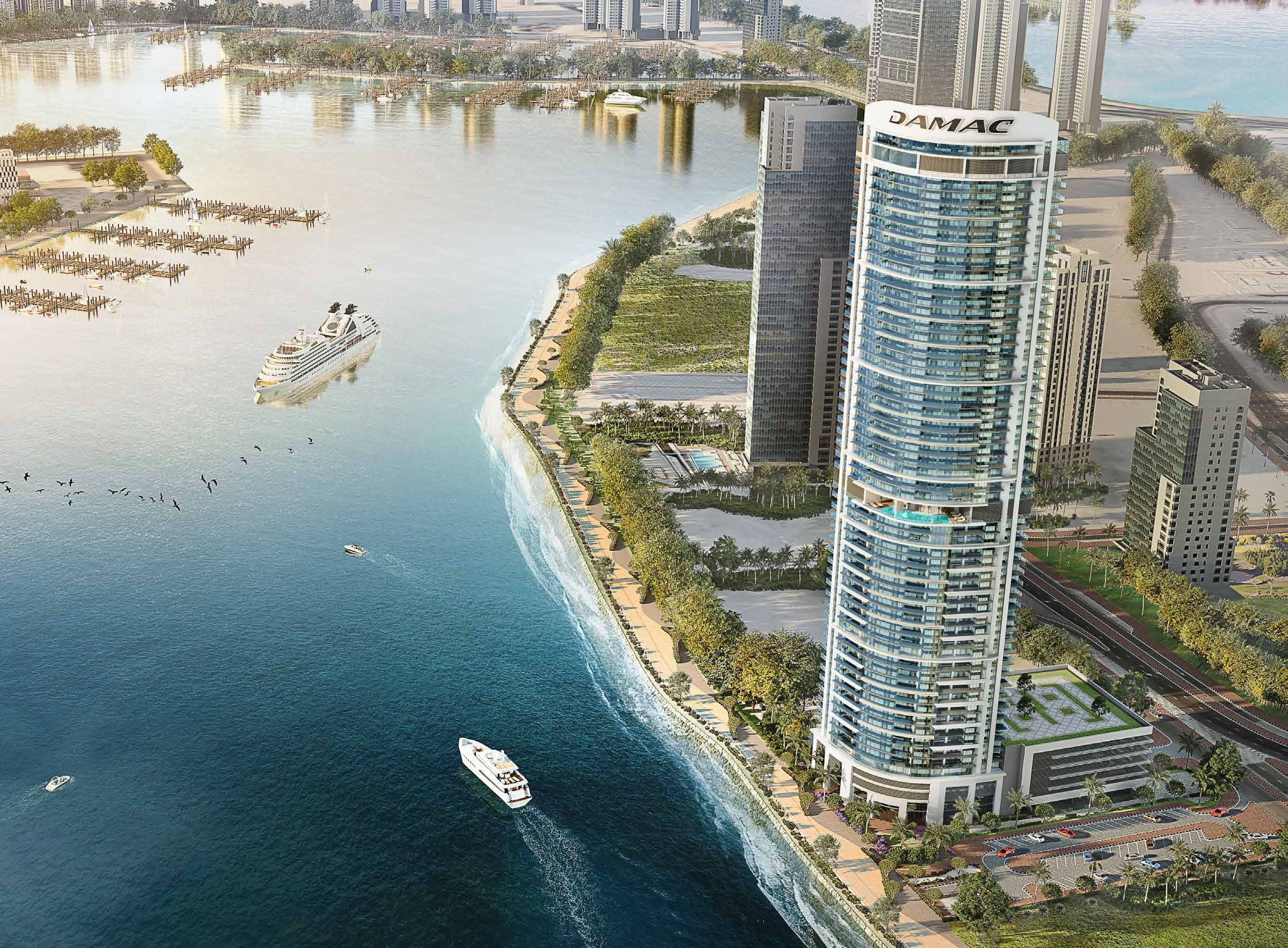
In 2026, for foreign investors seeking long-term returns, buying freehold property in Ras Al Khaimah (RAK) appears to be a safer investment compared to Dubai.
In 2026, for foreign investors seeking long-term returns, buying freehold property in Ras Al Khaimah (RAK) appears to be a safer investment compared to Dubai. This conclusion is drawn from a combination of factors including lower entry prices, higher rental yields, and significant capital appreciation potential in RAK. For instance, RAK property prices averaged AED 800–1,100/sqft in Q1 2026, with a rental yield of 6–8% and capital growth of +18% year-over-year (RAK Properties). In contrast, Dubai's average property prices were AED 1,759/sqft, with a more moderate capital growth of +10% (Dubai Land Department, ValuStrat). These figures suggest RAK offers a more attractive proposition for foreign investors looking for a balance of yield and capital appreciation.
Core data and context
When comparing Dubai and RAK for long-term property investment, it's essential to consider several key metrics. These include average property prices, rental yields, capital appreciation rates, and overall market stability. As of Q1 2026, RAK's property market has shown robust growth, with a total transaction volume of AED 11B, marking a 240% increase year-on-year (RAK Properties). This surge in activity, coupled with the lower average property prices, positions RAK as an attractive destination for foreign investors.
| Area / Option | Price/sqft (AED) | Rental Yield | Capital Growth YoY |
|---|---|---|---|
| Hayat Island RAK | 800–1,100 | 6–8% | +18% (2025–2026) |
| Dubai Marina | 1,200–2,200 | 4–5% | +10% |
| JVC | 700–1,200 | 6–7% | +8% |
| Palm Jumeirah | 2,500–4,500 | 5–6% | +12% |
| Al Marjan Island | 1,000–1,500 | 7–9% | +15% |
Source: Dubai Land Department, RAK Properties, ValuStrat Q1 2026
Deeper analysis / mechanics
The mechanics of property investment in RAK versus Dubai involve several factors. RAK's lower property prices make it more accessible for foreign investors, which is a significant advantage. Additionally, RAK's property market is less saturated than Dubai's, which could lead to higher capital appreciation as the market matures. The upcoming opening of Wynn Al Marjan in Q1 2027, featuring over 1,500 rooms and a casino, is expected to boost RAK's appeal as a luxury destination, potentially driving further property value increases.
Specific locations / examples with numbers
Hayat Island in RAK is a prime example of an area offering significant investment potential. With property prices ranging from AED 800 to 1,100/sqft and a rental yield of 6–8%, it presents an attractive option for investors seeking a balance of capital growth and income. In comparison, Dubai Marina, a popular investment location, has higher property prices of AED 1,200–2,200/sqft and a slightly lower rental yield of 4–5%. The higher entry cost and lower yield make RAK a more compelling option for many foreign investors.
Risk factors / what buyers miss / bear case
While RAK presents a compelling investment case, it's essential to consider potential risks. One bear case scenario is that RAK's property market may not grow at the expected rate, which could impact capital appreciation. Additionally, the emirate's reliance on tourism could make it vulnerable to global economic downturns affecting the hospitality sector. However, with significant developments like Cape Hayat, which is 86.5% complete and part of the Al Marjan Island project, RAK is diversifying its economy and reducing these risks.
What to do next / practical steps
For foreign investors considering a property investment in RAK or Dubai, it's crucial to conduct thorough due diligence. Engaging with a reputable brokerage with direct allocation on key projects, such as Sofia Sands Realty (sofiasandsrealty.ae, RERA 41793), can provide access to exclusive opportunities and in-depth market insights. Investors should also consider factors such as property management, rental regulations, and the overall economic outlook when making their decision.
Frequently Asked Questions
Is it safe for foreigners to invest in RAK property?
Yes, RAK offers a safe investment environment for foreigners with freehold property rights and a stable legal framework. The emirate has seen a significant increase in foreign investment, with a 240% year-on-year growth in transaction volume in Q1 2026 (RAK Properties).
What is the average rental yield in RAK?
The average rental yield in RAK is 6–8%, which is higher than in Dubai, where it ranges from 4–5% in areas like Dubai Marina (RAK Properties).
How has the RAK property market performed in 2026?
The RAK property market has shown robust growth, with a total transaction volume of AED 11B in Q1 2026, marking a 240% increase year-on-year (RAK Properties).
What are the property prices like in Hayat Island?
Property prices in Hayat Island range from AED 800 to 1,100/sqft, offering a more accessible entry point for investors compared to other areas in Dubai and RAK (RAK Properties).
What is the capital growth potential in RAK?
The capital growth potential in RAK is significant, with a year-on-year increase of +18% in 2025–2026, outpacing Dubai's +10% growth (RAK Properties, ValuStrat).
Is RAK's property market less saturated than Dubai's?
Yes, RAK's property market is less saturated, which could lead to higher capital appreciation as the market continues to grow and mature (RAK Properties).
What impact will Wynn Al Marjan have on RAK's property market?
The opening of Wynn Al Marjan in Q1 2027 is expected to boost RAK's appeal as a luxury destination, potentially driving further property value increases (Wynn Al Marjan).
How does RAK compare to Dubai in terms of property prices?
RAK has lower average property prices, ranging from AED 800 to 1,100/sqft, compared to Dubai's average of AED 1,759/sqft, making it a more accessible investment option for foreign investors (Dubai Land Department, RAK Properties).