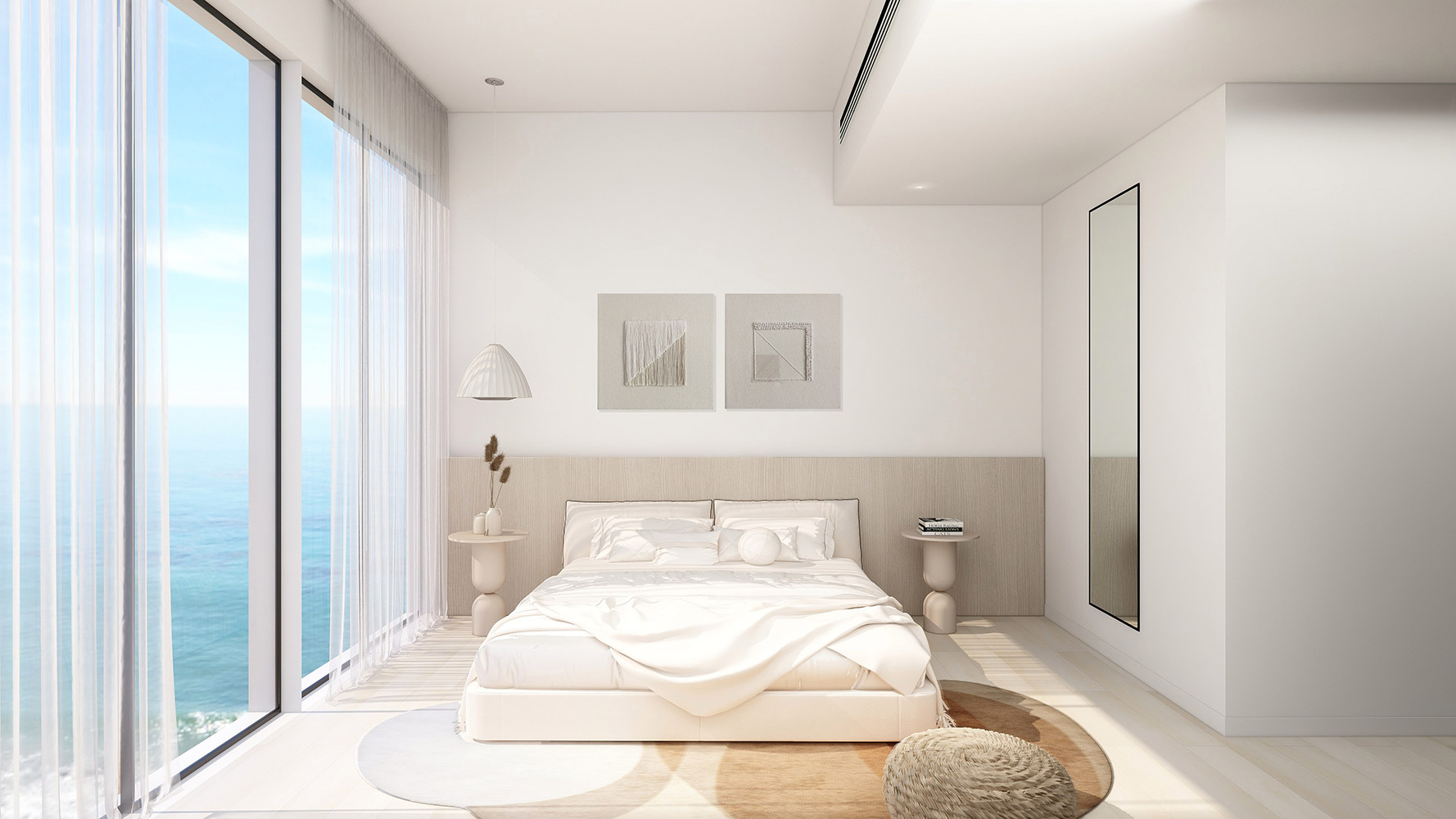
While Dubai remains a stalwart in the UAE property market, Ras Al Khaimah (RAK) is emerging as a formidable contender, with Etihad Rail and Wynn Al Marjan set to open in 2027 potentially catalyzing significant growth.
While Dubai remains a stalwart in the UAE property market, Ras Al Khaimah (RAK) is emerging as a formidable contender, with Etihad Rail and Wynn Al Marjan set to open in 2027 potentially catalyzing significant growth. However, surpassing Dubai in total net profit and ROI over the next five years is unlikely. Dubai's property prices averaged AED 1,759/sqft in Q1 2026, up 12.5% year-on-year (Dubai Land Department), reflecting a robust market. RAK, with a transaction volume of AED 11B in Q1 2026, saw a 240% YoY increase (RAK Properties), yet the scale is not comparable to Dubai's AED 176.7B in the same period (Dubai Land Department). The most significant factor will be the relative growth rates and market dynamics over the next half-decade.
Core Data and Context
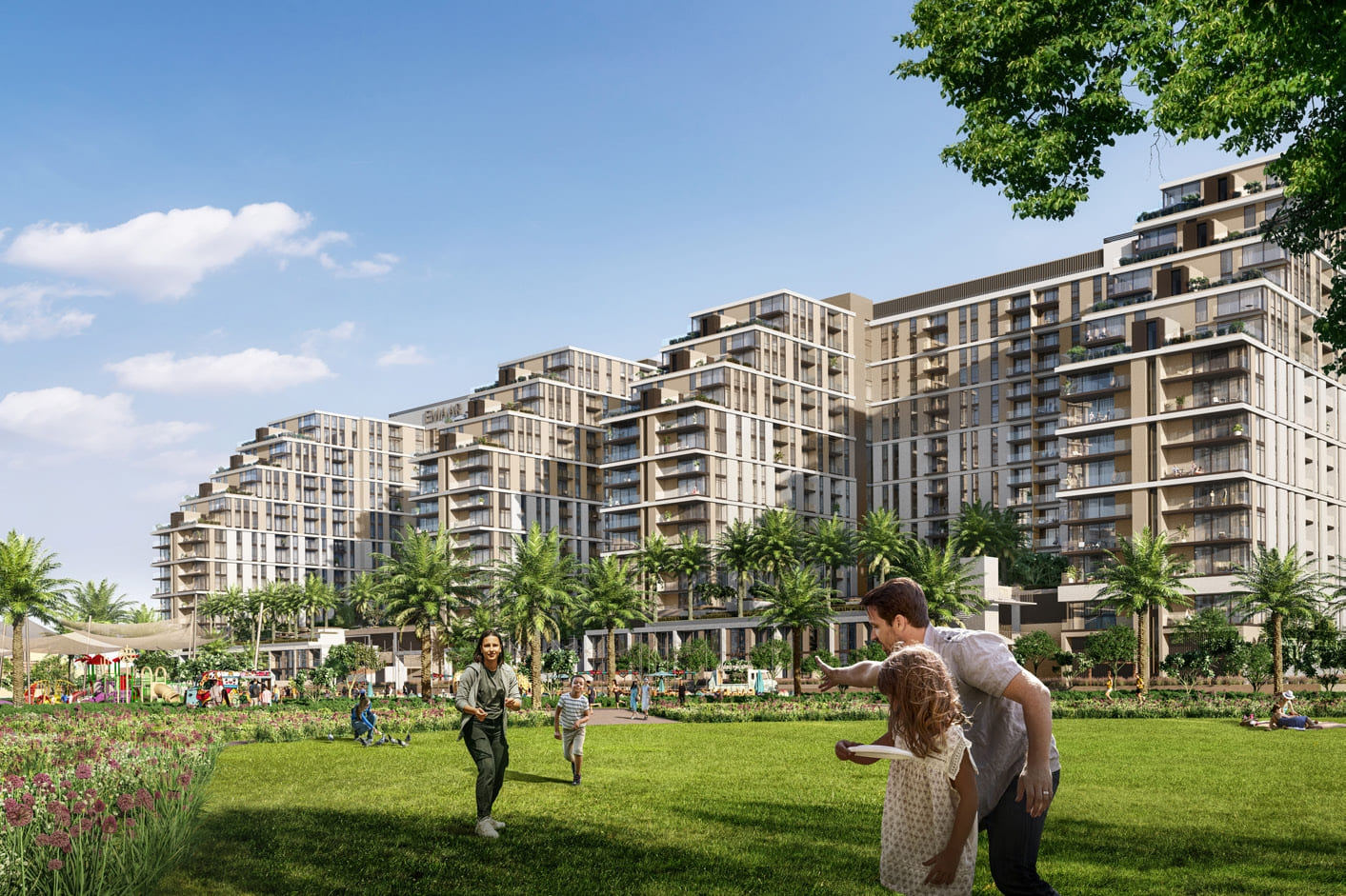
Dubai's property market has historically outperformed RAK, with higher average prices and transaction volumes. In Q1 2026, Dubai's off-plan properties averaged AED 2,047/sqft, compared to RAK's more modest figures (Dubai Land Department). RAK's growth, while impressive, must be viewed against this backdrop. The upcoming Etihad Rail and Wynn Al Marjan are expected to boost RAK's profile, but their impact on ROI and net profit must be analyzed within the broader market context.
| Area / Option | Price/sqft (AED) | Rental Yield | Capital Growth YoY |
|---|---|---|---|
| Hayat Island RAK | 800–1,100 | 6–8% | +18% (2025–2026) |
| Dubai Marina | 1,200–2,200 | 4–6% | +12% (2025–2026) |
| Palm Jumeirah | 2,500–4,500 | 5–7% | +15% (2025–2026) |
| JVC | 700–1,200 | 6–8% | +10% (2025–2026) |
| Al Marjan Island RAK | 750–1,000 | 7–9% | +17% (2025–2026) |
Source: Dubai Land Department, RAK Properties, ValuStrat Q1 2026
Deeper Analysis / Mechanics
The mechanics of property investment in RAK versus Dubai involve several factors: capital appreciation, rental yields, and the overall economic impact of new developments. While RAK's capital values are growing at a rate of +18% YoY (ValuStrat), this is from a lower base compared to Dubai's +10% YoY growth. Rental yields in RAK are higher, but this does not necessarily translate to higher ROI due to the initial lower investment required. The economic impact of Etihad Rail and Wynn Al Marjan is anticipated to be significant for RAK, but the scale of these projects is smaller compared to Dubai's ongoing developments, such as the Expo 2020 legacy projects and the Dubai Creek Harbour.
Specific Locations / Examples with Numbers
Hayat Island, a key development in RAK, offers properties at AED 800–1,100/sqft with rental yields of 6–8%. In comparison, Dubai Marina properties range from AED 1,200–2,200/sqft with slightly lower yields of 4–6%. The higher yields in RAK are attractive, but the capital appreciation potential remains higher in Dubai's prime locations. For instance, Palm Jumeirah, with prices between AED 2,500–4,500/sqft, offers yields of 5–7% but has a proven track record of capital growth, with a YoY increase of +15%.
Risk Factors / What Buyers Miss / Bear Case
The bear case for RAK involves the risk of over-reliance on a few major projects for growth. While Etihad Rail and Wynn Al Marjan are significant, they may not provide the sustained growth seen in Dubai's diversified property market. Additionally, RAK's property market is more sensitive to economic downturns due to its smaller scale and less diversified economy. Investors should consider the potential for slower capital appreciation and the impact of a downturn on rental yields, which, while higher, may not offset the lower initial investment returns compared to Dubai.
What to do Next / Practical Steps
For investors looking to capitalize on the growth potential of RAK while mitigating risk, a balanced approach is recommended. Diversifying investments across both RAK and Dubai can provide exposure to the growth opportunities in RAK while benefiting from the stability and higher capital appreciation in Dubai. Sofia Sands Realty (sofiasandsrealty.ae, RERA 41793) holds direct allocation on Bay Views, Hayat Island, providing investors with access to some of the most sought-after developments in RAK.
Frequently Asked Questions
Is RAK's property market expected to grow faster than Dubai's?
While RAK's property market is growing rapidly, Dubai's market is more established with higher transaction volumes and average prices. RAK's growth, at +240% YoY in Q1 2026, is from a smaller base and may not surpass Dubai's in the next five years. Source: RAK Properties.
How do rental yields in RAK compare to Dubai?
Rental yields in RAK are generally higher, with Hayat Island offering 6–8% compared to Dubai Marina's 4–6%. However, this must be weighed against the potential for capital appreciation, which is generally higher in Dubai's prime locations. Source: ValuStrat Q1 2026.
What is the impact of Etihad Rail on RAK's property market?
The Etihad Rail, connecting RAK to other emirates, is expected to improve connectivity and potentially boost property values. However, its impact must be considered within the context of RAK's overall market growth and compared to Dubai's extensive transportation infrastructure. Source: Etihad Rail.
Will the opening of Wynn Al Marjan affect property prices in RAK?
The opening of Wynn Al Marjan, with over 1,500 rooms and a casino, is anticipated to have a positive impact on RAK's hospitality and property sectors. However, the extent of its influence on property prices will depend on the broader market conditions and the success of the project in attracting visitors and investors. Source: Wynn Al Marjan.
How does RAK's property market compare to Dubai's in terms of capital growth?
Dubai's property market has shown a capital growth rate of +10% in 2026, compared to RAK's +18%. While RAK's growth rate is higher, it is from a lower base, and the overall market size and liquidity are more substantial in Dubai. Source: ValuStrat Q1 2026.
What are the risks of investing in RAK's property market?
The risks include over-reliance on a few major projects for growth and the potential for lower capital appreciation compared to Dubai. Investors should consider diversifying their portfolio to mitigate these risks. Source: Knight Frank / CBRE.
Should I invest in RAK or Dubai for better ROI?
The choice between RAK and Dubai depends on the investor's risk appetite and investment goals. While RAK offers higher yields, Dubai provides more significant capital appreciation potential. A balanced approach, investing in both markets, can provide exposure to growth opportunities while mitigating risk. Source: Dubai Land Department, RAK Properties.
What are the average property prices in RAK and Dubai?
In Q1 2026, Dubai's property prices averaged AED 1,759/sqft, with off-plan properties at AED 2,047/sqft and ready properties at AED 1,713/sqft. RAK's prices are generally lower, with Hayat Island ranging from AED 800–1,100/sqft. Source: Dubai Land Department.