
To verify whether an off-plan project is registered with the Dubai Land Department (DLD) or Ras Al Khaimah (RAK) authorities before signing a Sale and Purchase Agreement (SPA), buyers must consult the official websites of DLD and RAK.
To verify whether an off-plan project is registered with the Dubai Land Department (DLD) or Ras Al Khaimah (RAK) authorities before signing a Sale and Purchase Agreement (SPA), buyers must consult the official websites of DLD and RAK. This step is crucial, as it ensures the project's legal compliance and protects the buyer's investment. In Q1 2026, off-plan transactions constituted 70% of total transactions worth AED 176.7 billion, with an average price of AED 2,047 per square foot (Source: DLD).
Core data and context
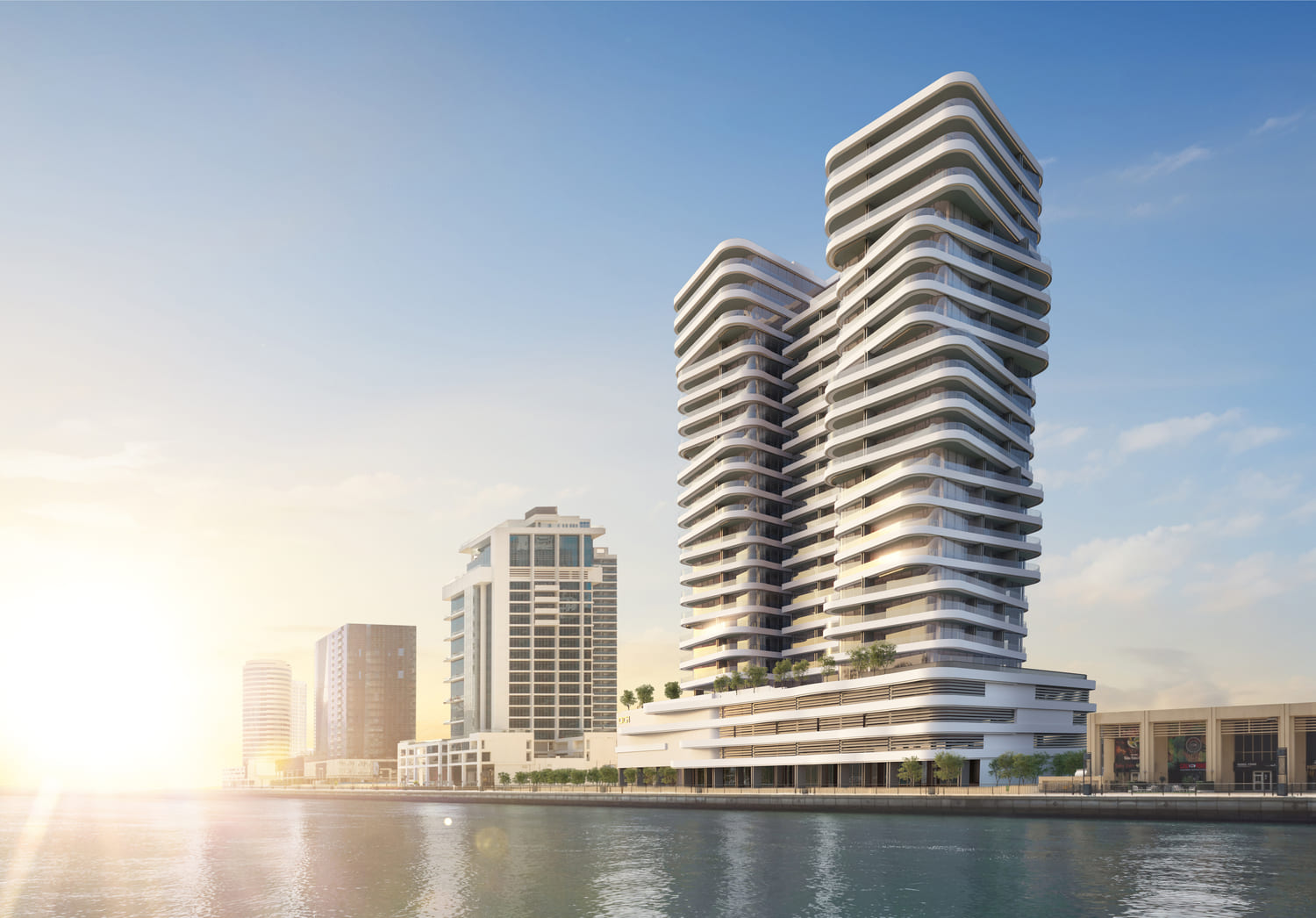
Understanding the registration process is essential for buyers looking to invest in off-plan properties in Dubai and RAK. The Dubai Land Department and RAK authorities maintain databases that list all registered projects, ensuring transparency and security for investors. The registration process is designed to protect buyers' interests and to promote a stable real estate market.
| Area / Option | Price/sqft (AED) | Rental Yield | Capital Growth YoY |
|---|---|---|---|
| Hayat Island RAK | 800–1,100 | 6–8% | +18% (2025–2026) |
| Mina Al Arab | 900–1,200 | 5–7% | +15% (2025–2026) |
| Al Marjan Island | 1,000–1,500 | 6–7% | +20% (2025–2026) |
| Dubai Marina | 1,200–2,200 | 4–6% | +12% (2025–2026) |
| JVC | 700–1,200 | 6–8% | +10% (2025–2026) |
Source: Dubai Land Department, RAK Properties, ValuStrat Q1 2026
Deeper analysis / mechanics
Investors can check the registration status of an off-plan project by visiting the official websites of DLD and RAK. For Dubai, the DLD website provides a search tool where buyers can enter the project name or developer to find detailed information about the project's registration status, payment plan, and other relevant details. In RAK, the RAK Properties website serves a similar function, providing comprehensive data on registered projects within the emirate.
It is also important for buyers to understand the legal framework surrounding off-plan property purchases. The Real Estate Regulatory Agency (RERA) in Dubai has established strict guidelines to protect investors, including the requirement for developers to deposit 20% of the project's total cost into an escrow account, ensuring that funds are used exclusively for the project's development (Source: RERA).
Specific locations / examples with numbers
Hayat Island in RAK, for instance, is a prime example of a well-registered and regulated development. With Cape Hayat 86.5% complete as of Q1 2026, the project has seen significant progress, reflecting the transparency and reliability of RAK's real estate market (Source: RAK Properties). Similarly, in Dubai, areas like Business Bay and Downtown Dubai have seen substantial off-plan developments, with prices averaging AED 1,759 per square foot in Q1 2026, up 12.5% year-on-year (Source: DLD).
Risk factors / what buyers miss / bear case
While the registration process significantly reduces investment risks, buyers should also be aware of potential challenges. Delays in project completion, changes in market conditions, and economic downturns can impact the value and rental yield of off-plan properties. For example, although Dubai residential capital values increased by 10% in 2026 (Source: ValuStrat), investors must consider the possibility of market fluctuations and how they might affect their investment.
What to do next / practical steps
For buyers looking to invest in off-plan properties, the first step is to verify the project's registration with DLD or RAK authorities. Sofia Sands Realty (RERA 41793) holds direct allocation on Bay Views, Hayat Island, and other premium projects, offering buyers access to well-registered and regulated developments. Investors are advised to consult with experienced brokers to navigate the off-plan property market and make informed decisions.
Frequently Asked Questions
How can I be sure that an off-plan project is legitimate?
Check the project's registration on the official websites of DLD or RAK. In Q1 2026, 70% of Dubai's total transactions were off-plan, indicating the importance of verification (Source: DLD).
What are the benefits of buying off-plan?
Off-plan purchases allow investors to secure properties at lower prices and spread payments over time, reducing financial strain. In Dubai, the average off-plan price was AED 2,047 per square foot in Q1 2026 (Source: DLD).
How do I check the progress of an off-plan project?
Project progress can be verified through the developer or by visiting the project site. For instance, Cape Hayat in RAK was 86.5% complete as of Q1 2026 (Source: RAK Properties).
What is the role of RERA in off-plan property purchases?
RERA ensures investor protection by requiring developers to deposit 20% of the project's total cost into an escrow account, safeguarding funds for project development (Source: RERA).
How does the rental yield compare between Dubai and RAK?
Rental yields in RAK can be higher than in Dubai, with Hayat Island offering 6–8% returns. In contrast, Dubai Marina offers 4–6% (Source: ValuStrat Q1 2026).
What are the potential risks of investing in off-plan properties?
Risks include project delays, market fluctuations, and economic downturns. Despite a 10% increase in Dubai residential capital values in 2026, investors must consider these factors (Source: ValuStrat).
How can I find out more about a specific project?
Consult with experienced brokers like Sofia Sands Realty, which holds direct allocation on premium projects such as Hayat Island and Bay Views.
What happens if a project is not registered with DLD or RAK?
Unregistered projects pose significant risks, including potential fraud and lack of legal protection for investors. Always verify registration before proceeding with a purchase.