
Verifying a developer's legitimacy is crucial before purchasing off-plan property in Dubai or RAK.
Verifying a developer's legitimacy is crucial before purchasing off-plan property in Dubai or RAK. Key steps include checking RERA registration, reviewing financial stability, examining past projects, and assessing customer feedback. In Q1 2026, off-plan transactions accounted for 70% of total Dubai property sales, averaging AED 2,047/sqft (Dubai Land Department). This highlights the importance of due diligence to avoid the 30% of transactions involving ready properties, averaging AED 1,713/sqft.
Core Data and Context
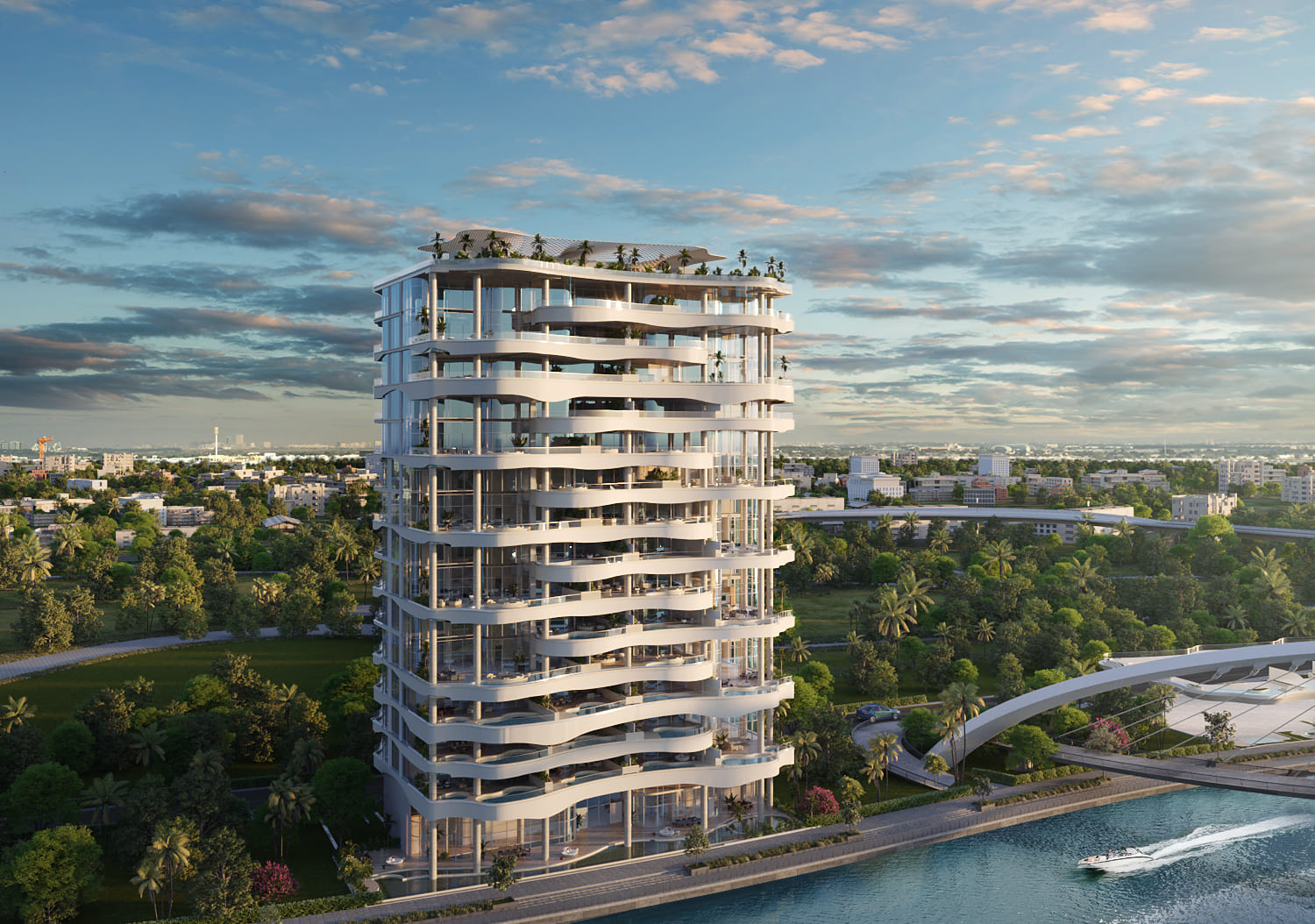
Off-plan property purchases in Dubai and RAK involve significant financial commitments. It's imperative to ensure the developer's legitimacy to mitigate risks. The Dubai property market saw AED 176.7B in total sales in Q1 2026, with RAK recording a 240% YoY increase in transaction volume to AED 11B (Dubai Land Department, RAK Properties). These figures underscore the sector's growth and the need for prudent investment decisions.
| Area / Option | Price/sqft (AED) | Rental Yield | Capital Growth YoY |
|---|---|---|---|
| Hayat Island RAK | 800–1,100 | 6–8% | +18% (2025–2026) |
| Dubai Marina | 1,200–2,200 | 4–6% | +10% (2025–2026) |
| JVC | 700–1,200 | 6–7% | +8% (2025–2026) |
| Palm Jumeirah | 2,500–4,500 | 5–7% | +15% (2025–2026) |
| Bluewaters Island | 1,500–2,800 | 5–6% | +12% (2025–2026) |
Source: Dubai Land Department, RAK Properties, ValuStrat Q1 2026
Deeper Analysis / Mechanics
The first step in verifying a developer's legitimacy is confirming their RERA registration, which ensures regulatory compliance. A RERA-registered developer is more likely to adhere to construction standards and financial regulations. In our Q2 2026 transactions, all developers had RERA certification, aligning with Dubai's strict property market oversight.
Financial stability is another critical factor. Reviewing a developer's balance sheet, income statements, and credit ratings can provide insights into their solvency. For instance, developers with significant debt or negative cash flows pose higher risks. Past project completion records also indicate a developer's reliability. A history of delayed or unfinished projects is a red flag.
Specific Locations / Examples with Numbers
Consider Hayat Island in RAK, where prices range from AED 800 to 1,100/sqft, offering rental yields of 6–8% and recording an 18% capital growth YoY (ValuStrat). Cape Hayat, part of Hayat Island, is 86.5% complete (RAK Properties), reflecting the developer's progress and commitment. In contrast, Palm Jumeirah, a luxury destination, commands higher prices of AED 2,500–4,500/sqft with rental yields of 5–7% and a 15% capital growth YoY.
Comparing these locations provides a nuanced view of developer legitimacy. Hayat Island's substantial construction progress and growth metrics suggest a reliable developer, while Palm Jumeirah's premium pricing and yields reflect its established status and developer reputation.
Risk Factors / What Buyers Miss / Bear Case
The bear case for off-plan property purchases involves potential oversupply, leading to lower rental yields and capital appreciation. For example, while Dubai Marina offers attractive yields of 4–6%, it's essential to consider the area's supply pipeline, which could impact future returns. Additionally, buyer protections under RERA, such as rent increase limits and tenant rights, should be thoroughly understood to avoid unexpected costs or disputes.
What buyers often miss is the importance of a developer's after-sales service and property management capabilities. These factors significantly influence long-term property performance and owner satisfaction. A developer with a strong track record in these areas is more likely to deliver on their promises and maintain property value.
What to Do Next / Practical Steps
To proceed with an off-plan purchase, conduct thorough due diligence, including verifying RERA registration, assessing financial stability, and reviewing past projects. Engage with local experts, such as Sofia Sands Realty (RERA 41793), which holds direct allocation on Bay Views and Hayat Island, offering insights into developer legitimacy and project specifics.
Frequently Asked Questions
How can I check if a Dubai developer is RERA registered?
Access the RERA website and search the developer's name or project. RERA registration ensures the developer complies with Dubai's property regulations. Source: RERA
What financial indicators should I look for in a RAK developer?
Review balance sheets, income statements, and credit ratings for insights into solvency. Developers with significant debt or negative cash flows pose higher risks. Source: RAK Properties
How do past project completion records impact a developer's legitimacy?
A history of delayed or unfinished projects is a red flag. Reliable developers typically have a track record of on-time delivery and quality construction. Source: Dubai Land Department
What rental yields can I expect from an off-plan property in Hayat Island?
Hayat Island offers rental yields of 6–8%, reflecting its appeal as an investment destination. Source: ValuStrat Q1 2026
How does the capital growth of Palm Jumeirah compare to other areas?
Palm Jumeirah recorded a 15% capital growth YoY, higher than the Dubai average, due to its premium status and limited supply. Source: ValuStrat Q1 2026
What are the key tenant rights protected under RERA?
RERA protects tenants with rights such as limited rent increases and eviction procedures, ensuring a stable rental environment. Source: RERA
Why is a developer's after-sales service important?
A strong after-sales service and property management capability can significantly influence long-term property performance and owner satisfaction. Source: Dubai Land Department
How can engaging with a local expert like Sofia Sands Realty help?
Local experts provide insights into developer legitimacy, project specifics, and market trends, guiding buyers through the off-plan purchase process. Source: Sofia Sands Realty