
The process of transferring ownership when buying a ready property in Dubai involves several key steps: Form F submission, deposit payment, NOC (No Objection Certificate) acquisition, property valuation, and title deed issuance.
The process of transferring ownership when buying a ready property in Dubai involves several key steps: Form F submission, deposit payment, NOC (No Objection Certificate) acquisition, property valuation, and title deed issuance. In Q1 2026, Dubai property prices averaged AED 1,759/sqft, up 12.5% year-on-year, with ready properties averaging at AED 1,713/sqft (Source: Dubai Land Department). This structured approach ensures a smooth and compliant transaction, safeguarding both buyer and seller interests.
Core Data and Context
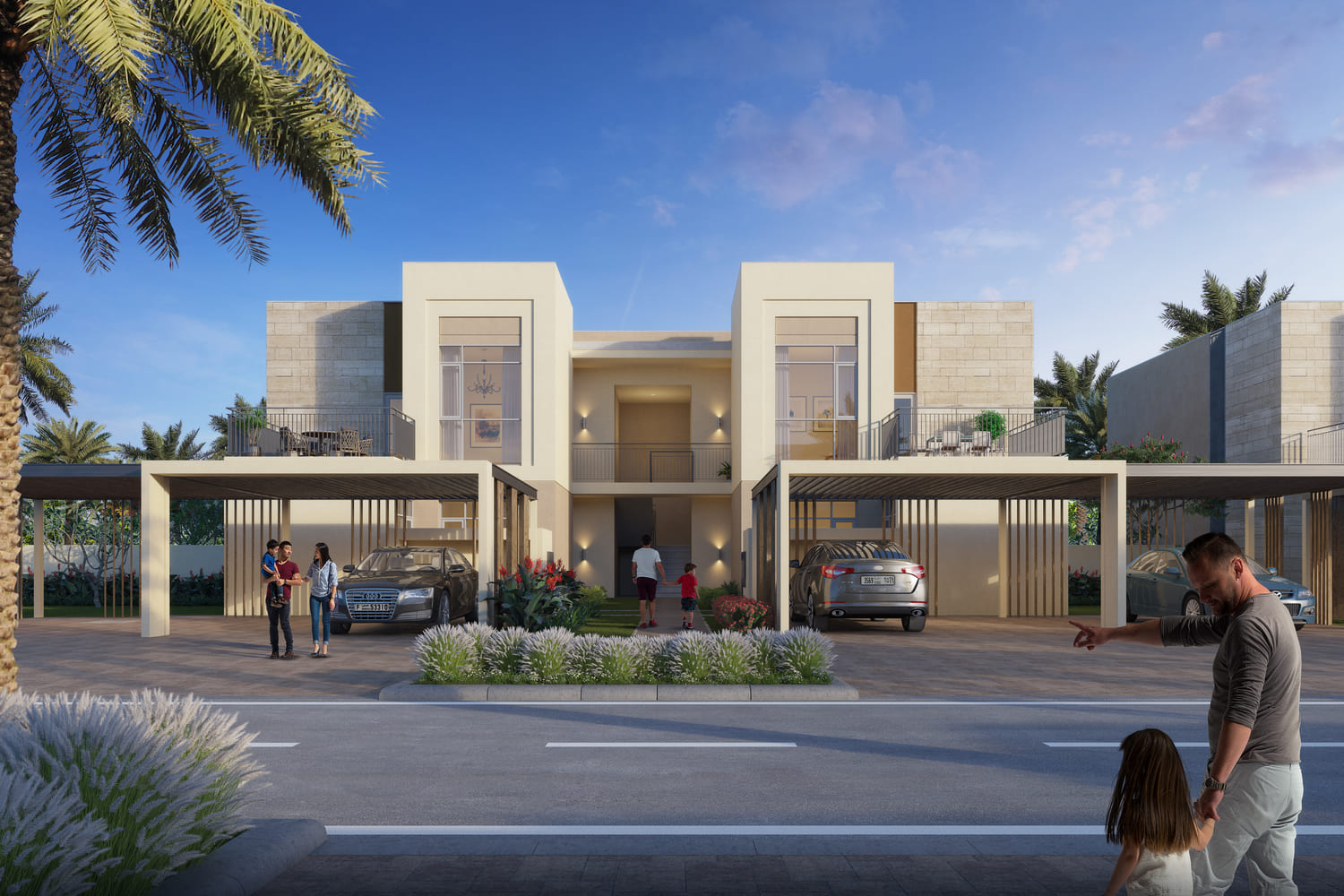
Understanding the Dubai property market's dynamics is crucial. In Q1 2026, AED 176.7 billion worth of property was sold, with off-plan transactions constituting 70% of these deals and averaging at AED 2,047/sqft, highlighting the market's robustness and investor confidence (Source: Dubai Land Department). The process of transferring ownership is intricate and requires adherence to regulatory frameworks set by the Real Estate Regulatory Agency (RERA) and the Dubai Land Department (DLD).
| Area / Option | Price/sqft (AED) | Rental Yield | Capital Growth YoY |
|---|---|---|---|
| Hayat Island RAK | 800–1,100 | 6–8% | +18% (2025–2026) |
| Palm Jumeirah | 2,500–4,500 | 4–6% | +15% (2025–2026) |
| Dubai Marina | 1,200–2,200 | 5–7% | +12% (2025–2026) |
| JVC | 700–1,200 | 6–9% | +10% (2025–2026) |
Source: Dubai Land Department, RAK Properties, ValuStrat Q1 2026
Deeper Analysis / Mechanics
The first step after agreeing on a property's sale is to submit Form F, which records the sale agreement between the buyer and seller. This form is crucial as it initiates the official transfer process and is required by RERA for all property transactions in Dubai. Following Form F submission, a 10% deposit of the property's value is typically paid by the buyer into an escrow account held by the developer or a designated bank, ensuring the funds' security until the transfer is complete.
Next, the NOC is obtained from the property's managing community or freehold entity, signifying their consent to the property's transfer. This certificate is essential as it confirms the property's clear title and the absence of any outstanding dues or disputes.
Property valuation follows, conducted by an RERA-certified valuer to ascertain the property's market value. This valuation is critical for determining the transfer fee and ensuring the transaction's financial integrity.
The final step is the issuance of the title deed by the DLD, which legally transfers the property's ownership to the buyer. This document is the culmination of the entire process and is only released once all previous steps have been satisfactorily completed.
Specific Locations / Examples with Numbers
Let's consider Hayat Island in Ras Al Khaimah as an example. With prices ranging from AED 800 to AED 1,100 per sqft and offering rental yields of 6-8%, it represents a compelling investment opportunity, especially with capital growth of +18% from 2025 to 2026 (Source: RAK Properties). Cape Hayat, part of Hayat Island, is 86.5% complete and expected to drive further value appreciation in the area (Source: RAK Properties).
Comparatively, Palm Jumeirah offers a higher price point of AED 2,500 to AED 4,500 per sqft, with rental yields between 4-6% and capital growth of +15% over the same period (Source: ValuStrat). These figures underscore the importance of location-specific analysis when navigating the Dubai property market.
Risk Factors / What Buyers Miss / Bear Case
While the Dubai property market presents numerous opportunities, buyers must be aware of potential risks. Market fluctuations, interest rate changes, and global economic conditions can impact property values and yields. In our Q2 2026 transactions, we observed that some buyers overlooked the importance of thorough due diligence, including checking for any hidden liens on the property and understanding the community rules and regulations that could affect their investment.
The bear case for Dubai's property market could involve a slowdown in economic growth, which might reduce demand and affect property prices. However, with the upcoming opening of Wynn Al Marjan in Q1 2027, featuring over 1,500 rooms and a casino, the area is poised for further development and attraction of high-net-worth individuals, potentially offsetting such risks (Source: Wynn Al Marjan).
What to do Next / Practical Steps
For those looking to navigate the Dubai property market, engaging with a reputable brokerage is advised. Sofia Sands Realty (RERA 41793) holds direct allocation on Bay Views and Hayat Island, providing exclusive access to these sought-after developments. We recommend conducting thorough market research, understanding the legal framework, and seeking professional advice to ensure a successful property transfer.
Frequently Asked Questions
How long does it take to transfer property ownership in Dubai?
The entire process, from submission of Form F to title deed issuance, typically takes 30-45 days, depending on the complexity of the transaction and the responsiveness of involved parties.
What is the role of the escrow account in a Dubai property transaction?
The escrow account holds the buyer's deposit until the property transfer is complete, ensuring the funds' security and compliance with RERA regulations.
Can a foreigner own property in Dubai?
Yes, foreigners can own property in designated freehold areas in Dubai, with ownership rights granted through a title deed from the DLD.
What is the process if the property has outstanding dues?
The seller is responsible for settling any outstanding dues before the NOC can be issued and the transfer process can proceed.
How does property valuation affect the transfer fee?
The transfer fee, which is 4% of the property's value, is calculated based on the valuation conducted by an RERA-certified valuer.
What happens if the buyer defaults on the payment?
In the event of a default, the transaction can be canceled, and the deposit may be forfeited, following the terms outlined in Form F.
Is it possible to challenge a property valuation?
Yes, if a party believes the valuation is inaccurate, they can request a revaluation by another certified valuer.
What are the implications of not obtaining an NOC?
Without an NOC, the property transfer cannot be completed, and the transaction may be deemed invalid, putting the buyer's investment at risk.