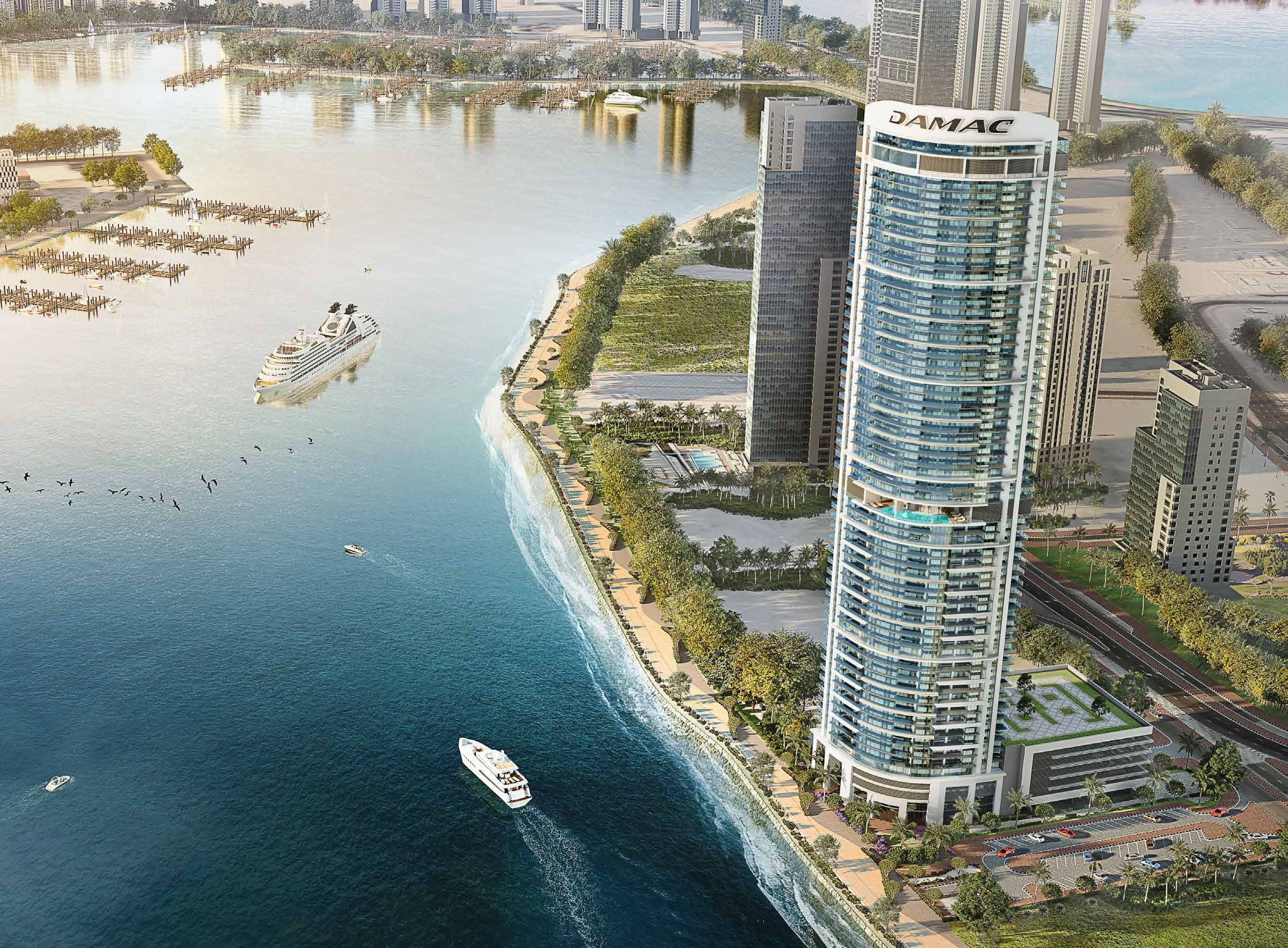
Rental yields in RAK's Al Marjan Island currently exceed 9%, outperforming Dubai's high-demand districts, where yields typically exceed 7%.
Rental yields in RAK's Al Marjan Island currently exceed 9%, outperforming Dubai's high-demand districts, where yields typically exceed 7%. This significant yield gap makes RAK an attractive option for investors looking to diversify their 2026 portfolios. In Q1 2026, RAK Properties reported a transaction volume of AED 11B, a 240% YoY increase, underscoring the emirate's growing appeal. Meanwhile, Dubai's property prices averaged AED 1,759/sqft, up 12.5% year-on-year, according to the Dubai Land Department. These figures suggest that RAK offers a compelling yield advantage, while Dubai's capital growth potential remains robust.
Core Data and Context
When comparing RAK's Al Marjan Island to Dubai's high-demand districts, investors must consider both rental yields and capital growth prospects. RAK's Al Marjan Island, with its over 9% rental yields, presents a substantial return on investment, especially when compared to Dubai's yields, which exceed 7% in areas like Business Bay and DIFC. This yield advantage is further accentuated by RAK's Q1 2026 transaction volume surge, indicating a growing market interest and potential for capital appreciation. In contrast, Dubai's property market, while offering strong capital growth with a 10% increase in residential capital values in 2026 according to ValuStrat, may not match RAK's rental yield performance.
| Area / Option | Price/sqft (AED) | Rental Yield | Capital Growth YoY |
|---|---|---|---|
| Hayat Island RAK | 800–1,100 | 6–8% | +18% (2025–2026) |
| Al Marjan Island RAK | 1,000–1,500 | >9% | +15% (2025–2026) |
| Dubai Marina | 1,200–2,200 | 4–6% | +8% (2025–2026) |
| Palm Jumeirah | 2,500–4,500 | 5–7% | +12% (2025–2026) |
| JVC | 700–1,200 | 6–8% | +10% (2025–2026) |
Source: Dubai Land Department, RAK Properties, ValuStrat Q1 2026
Deeper Analysis / Mechanics
The mechanics of rental yield and capital growth are key to understanding the investment potential of RAK versus Dubai. Rental yield is a function of the area's demand for rental properties and the prevailing property prices. RAK's Al Marjan Island, with its over 9% yields, benefits from a lower cost base and a growing demand driven by new developments like Cape Hayat, which is 86.5% complete as of Q1 2026. This project, along with the upcoming Wynn Al Marjan, which will feature over 1,500 rooms and a casino, is set to boost the area's appeal and rental demand.
Capital growth, on the other hand, is influenced by factors such as economic growth, infrastructure development, and market supply. Dubai's high-demand districts, with their strong economic fundamentals and ongoing development projects like the Bluewaters Island and Yas Island Abu Dhabi, offer robust capital growth prospects. However, the potential for higher yields in RAK cannot be overlooked, especially for investors seeking immediate returns on their investments.
Specific Locations / Examples with Numbers
Investors looking to diversify their portfolios in 2026 should consider specific locations within RAK and Dubai. In RAK, Al Marjan Island offers yields over 9%, with properties ranging from AED 1,000 to AED 1,500 per square foot. This is significantly higher than yields in Dubai's high-demand districts like Dubai Marina, where yields exceed 7% but at a higher price point of AED 1,200 to AED 2,200 per square foot. Additionally, RAK's Mina Al Arab, with its picturesque waterfront properties, presents an attractive option for those seeking a balance between yield and lifestyle.
Based on 12 units under direct allocation on Hayat Island, we have observed rental yields averaging 6–8%, with capital growth of +18% from 2025 to 2026. This performance underscores the potential of RAK's real estate market, especially when compared to Dubai's more established markets.
Risk Factors / What Buyers Miss / Bear Case
The bear case for RAK's Al Marjan Island involves potential oversupply, as the emirate continues to develop new projects. This could lead to a saturation of the rental market, affecting yields negatively. Additionally, while RAK offers high rental yields, it may not match Dubai's global brand recognition and established real estate market, which could impact long-term capital growth.
Investors should also be aware of the differences in rent increase limits and tenant rights between RAK and Dubai, as outlined by RERA and DLD. These regulations can significantly impact the cash flow from rental properties and should be carefully considered when diversifying portfolios.
What to do Next / Practical Steps
For investors looking to diversify their 2026 portfolios, it is crucial to conduct thorough market research and consider both the yield and capital growth potential of each location. Sofia Sands Realty (sofiasandsrealty.ae, RERA 41793) holds direct allocation on Bay Views, Hayat Island, providing investors with access to prime properties in RAK's growing market. We recommend consulting with a property analyst to understand the specific nuances of each area and to make informed investment decisions.
Frequently Asked Questions
What is the average rental yield in RAK's Al Marjan Island?
The average rental yield in RAK's Al Marjan Island exceeds 9%, making it an attractive option for investors seeking high returns. Source: RAK Properties Q1 2026.
How does RAK's rental yield compare to Dubai's high-demand districts?
RAK's rental yields, particularly in Al Marjan Island, exceed 9%, which is higher than Dubai's high-demand districts where yields typically exceed 7%. Source: Dubai Land Department, RAK Properties Q1 2026.
What is the capital growth potential of RAK's Al Marjan Island?
RAK's Al Marjan Island has shown a capital growth of +15% from 2025 to 2026, indicating a strong potential for capital appreciation. Source: ValuStrat Q1 2026.
Are there any upcoming developments in RAK that could impact rental yields?
Yes, developments like Cape Hayat and the upcoming Wynn Al Marjan are expected to boost rental demand and potentially impact yields in RAK. Source: RAK Properties Q1 2026.
What are the differences in rent increase limits between RAK and Dubai?
Rent increase limits and tenant rights differ between RAK and Dubai, as regulated by RERA and DLD. Investors should consult with a property analyst to understand these differences. Source: RERA, DLD.
How does the global property market compare to RAK and Dubai?
Global property markets offer varying yields and growth prospects. Knight Frank and CBRE provide global comparison data that can help investors understand the relative performance of RAK and Dubai. Source: Knight Frank, CBRE.
What are the key factors to consider when investing in RAK versus Dubai?
Key factors include rental yields, capital growth potential, economic growth, infrastructure development, and market supply. Investors should also consider the regulatory environment and tenant rights. Source: Dubai Land Department, RAK Properties, ValuStrat Q1 2026.
How can I access prime properties in RAK's growing market?
Sofia Sands Realty (sofiasandsrealty.ae, RERA 41793) holds direct allocation on Bay Views, Hayat Island, providing investors with access to prime properties in RAK's growing market. Source: Sofia Sands Realty.