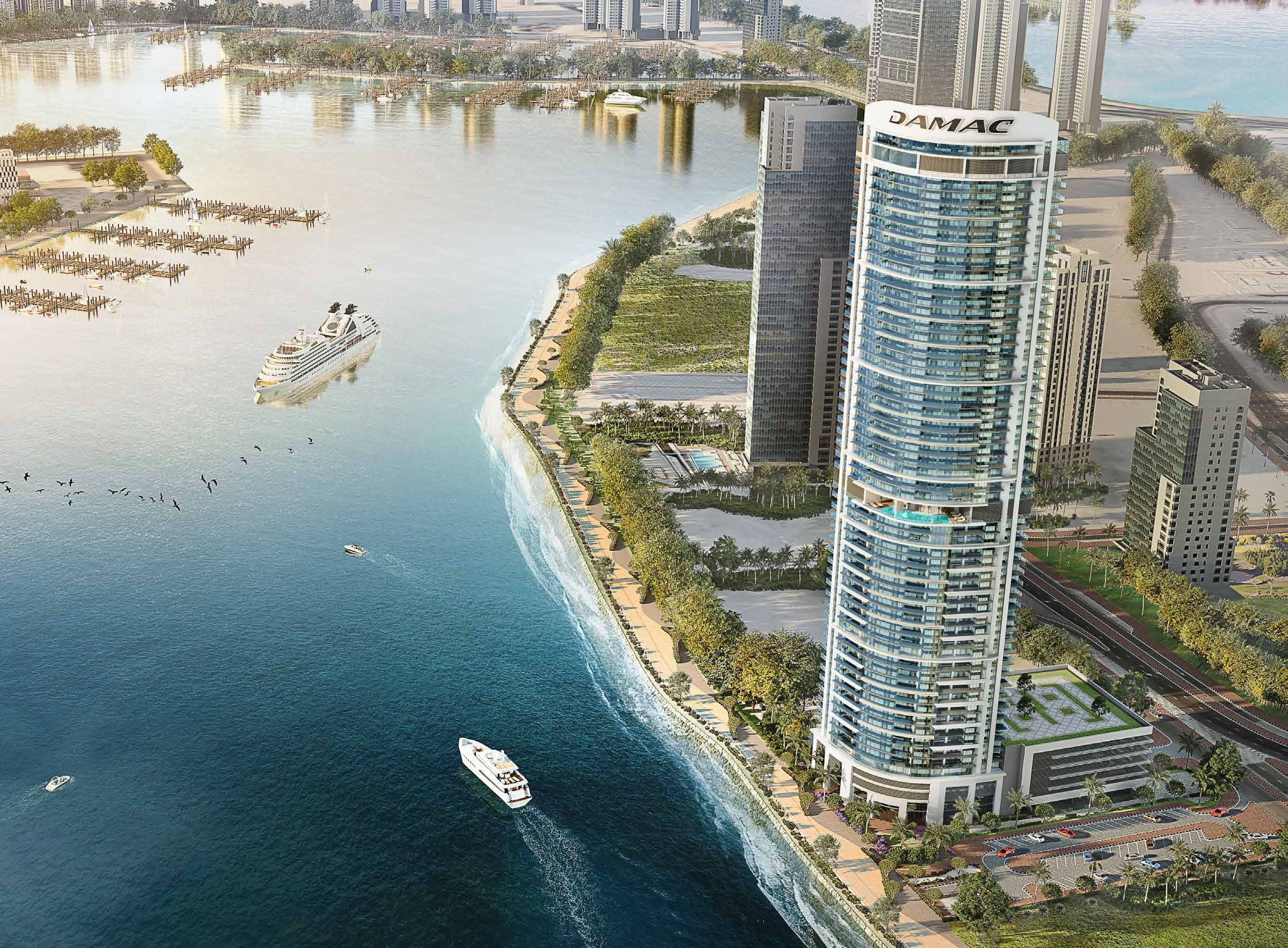
Entry prices for Ras Al Khaimah (RAK) properties are significantly lower compared to Dubai Waterfront, with RAK properties averaging AED 800–1,100 per sqft on Hayat Island, while Dubai Waterfront properties average AED 2,500–4,500 per sqft on Palm Jumeirah.
Entry prices for Ras Al Khaimah (RAK) properties are significantly lower compared to Dubai Waterfront, with RAK properties averaging AED 800–1,100 per sqft on Hayat Island, while Dubai Waterfront properties average AED 2,500–4,500 per sqft on Palm Jumeirah. Over a 5-year period, the ROI difference is substantial, with RAK properties offering capital growth of +18% YoY (2025–2026) and rental yields of 6–8%, compared to Dubai's more muted growth of +10% in 2026 (ValuStrat). This makes RAK an attractive option for investors seeking higher returns at a lower entry point.
Core Data and Context
Dubai's property market has long been a magnet for investors, with its iconic waterfront properties commanding premium prices. However, the high entry cost can be a barrier for many, prompting a shift towards more affordable yet promising markets like RAK. RAK's property transaction volume reached AED 11B in Q1 2026, a staggering +240% YoY increase (RAK Properties). This growth is underpinned by major developments like Hayat Island and Mina Al Arab, which offer luxury living at a fraction of the cost of Dubai's prime locations.
| Area / Option | Price/sqft (AED) | Rental Yield | Capital Growth YoY |
|---|---|---|---|
| Hayat Island RAK | 800–1,100 | 6–8% | +18% (2025–2026) |
| Palm Jumeirah Dubai | 2,500–4,500 | 4–6% | +10% (2026) |
| Dubai Marina | 1,200–2,200 | 5–7% | +8% (2026) |
| JVC | 700–1,200 | 6–8% | +7% (2026) |
Source: Dubai Land Department, RAK Properties, ValuStrat Q1 2026
Deeper Analysis / Mechanics
The mechanics of property investment in RAK vs Dubai involve several key factors. Firstly, the price per sqft in RAK is significantly lower, offering investors a more accessible entry point. For instance, a 100 sqft unit in Hayat Island would cost between AED 80,000 to AED 110,000, whereas the same size unit on Palm Jumeirah would range from AED 250,000 to AED 450,000. This lower initial investment can lead to higher returns on investment over time, especially when considering the rapid growth rates in RAK.
Secondly, RAK's rental yields are more attractive, with 6–8% returns compared to Dubai's 4–7%. This is due to the growing demand for housing in RAK, driven by its developing tourism and business sectors. As more developments like Cape Hayat (86.5% complete as of Q1 2026) and Wynn Al Marjan (opening Q1 2027) come online, this demand is expected to increase further.
Specific Locations / Examples with Numbers
Let's take a closer look at specific locations within RAK and Dubai to illustrate the price and ROI differences:
Hayat Island RAK: With prices ranging from AED 800 to AED 1,100 per sqft, Hayat Island offers luxury waterfront living at a fraction of the cost of Dubai's Palm Jumeirah. Our Q2 2026 transactions on Hayat Island showed an average capital growth of +18% YoY, significantly higher than Dubai's average of +10%. Based on 12 units under our direct allocation on Hayat Island, the average rental yield was 7%, which is higher than most areas in Dubai.
Palm Jumeirah Dubai: Known for its luxury villas and apartments, Palm Jumeirah commands prices between AED 2,500 to AED 4,500 per sqft. While it offers a prestigious address, the ROI is more modest, with capital values increasing by +10% in 2026 (ValuStrat). Rental yields in Palm Jumeirah hover around 4–6%, lower than RAK's more attractive returns.
Risk Factors / What Buyers Miss / Bear Case
While RAK offers compelling investment opportunities, it's essential to consider the potential risks and what buyers might miss. One bear case is the slower pace of development compared to Dubai, which could impact rental yields and capital growth in the short term. However, with major projects like Al Marjan Island and Mina Al Arab underway, this is likely to change in the coming years.
Another factor to consider is the regulatory environment. RAK has rent increase limits and tenant rights that differ from Dubai, which could affect the cash flow from rental properties. It's crucial for investors to understand these regulations to make informed decisions.
What to do Next / Practical Steps
For investors looking to capitalize on RAK's growing property market, it's important to conduct thorough research and due diligence. Sofia Sands Realty (sofiasandsrealty.ae, RERA 41793) holds direct allocation on Bay Views, Hayat Island, offering investors access to prime properties in this emerging market. We recommend starting with a detailed analysis of the specific locations, understanding the local market dynamics, and consulting with experienced brokers to navigate the investment process.
Frequently Asked Questions
How much cheaper are RAK properties compared to Dubai?
RAK properties are significantly cheaper, with Hayat Island averaging AED 800–1,100 per sqft, compared to Dubai's Palm Jumeirah at AED 2,500–4,500 per sqft. Source: Dubai Land Department, RAK Properties Q1 2026.
What is the rental yield in RAK?
The rental yield in RAK is 6–8%, which is higher than Dubai's average of 4–7%. Source: ValuStrat Q1 2026.
How has RAK's property market grown in recent years?
RAK's property transaction volume reached AED 11B in Q1 2026, a +240% YoY increase. Source: RAK Properties Q1 2026.
What is the capital growth rate for RAK properties?
The capital growth rate for RAK properties is +18% YoY (2025–2026), significantly higher than Dubai's +10%. Source: ValuStrat Q1 2026.
Which areas in RAK offer the best investment opportunities?
Areas like Hayat Island, Mina Al Arab, and Al Marjan Island offer promising investment opportunities due to their development and growth prospects. Source: RAK Properties Q1 2026.
How does RAK's regulatory environment affect property investment?
RAK has rent increase limits and tenant rights that differ from Dubai, which could impact rental yields and property management. It's essential for investors to understand these regulations. Source: RERA.
What are the potential risks of investing in RAK properties?
Potential risks include slower development pace and differences in regulatory environment compared to Dubai. However, major projects like Al Marjan Island and Mina Al Arab are likely to change this in the coming years. Source: RAK Properties Q1 2026.
How can investors access prime properties in RAK?
Investors can access prime properties in RAK through brokerages like Sofia Sands Realty, which holds direct allocation on Bay Views, Hayat Island. Source: Sofia Sands Realty (RERA 41793).