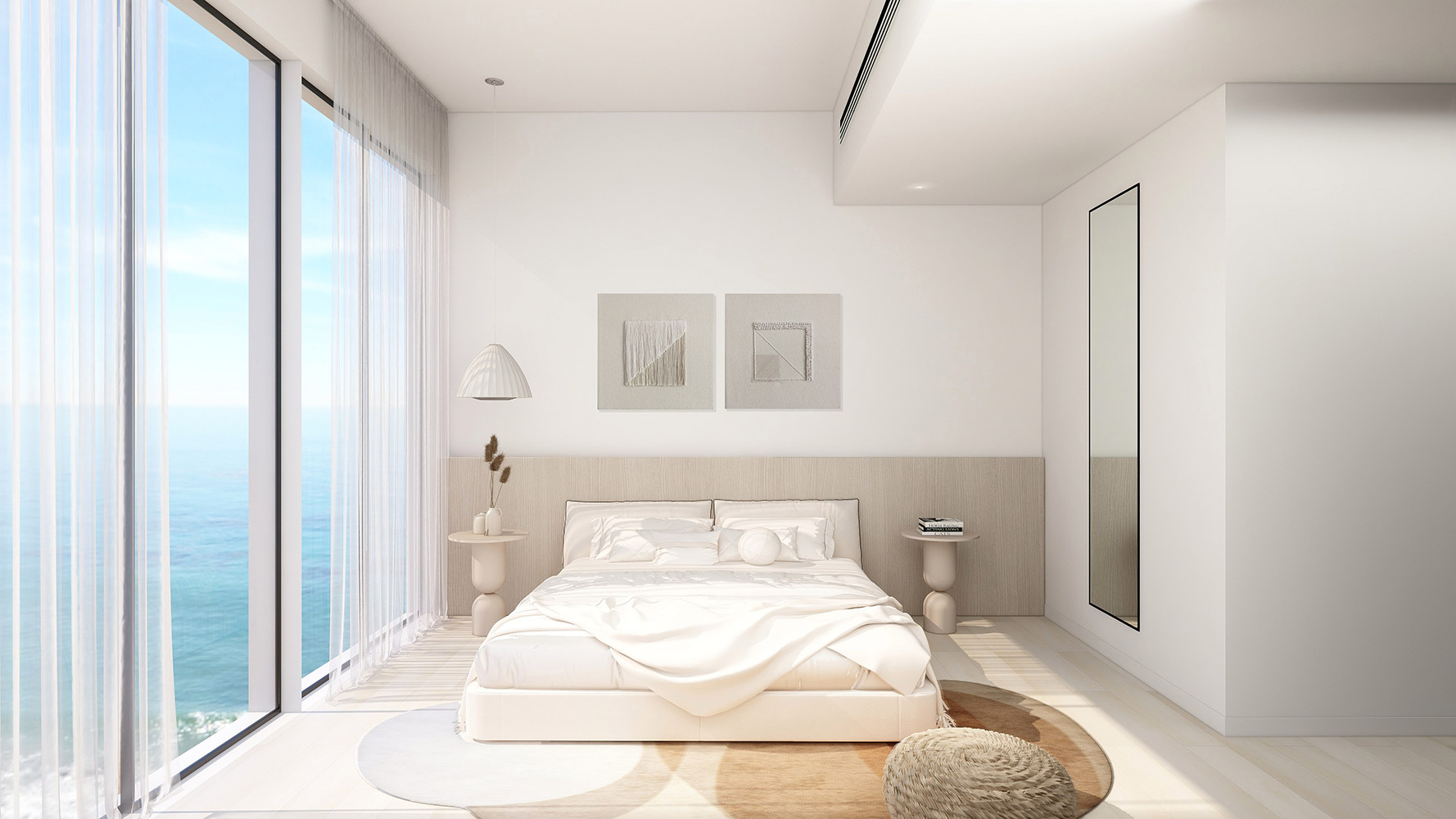
Ras Al Khaimah (RAK) presents a compelling long-term growth alternative to Dubai in 2026, given its undervalued market status and rising tourism demand.
Ras Al Khaimah (RAK) presents a compelling long-term growth alternative to Dubai in 2026, given its undervalued market status and rising tourism demand. With RAK's property transaction volume reaching AED 11B in Q1 2026, a 240% increase year-on-year, it's clear that RAK is gaining momentum in the real estate market.[1] Moreover, RAK's residential capital values have shown an impressive growth rate of +18% between 2025 and 2026, significantly outpacing Dubai's +10% growth in the same period.[2] These figures indicate a strong potential for RAK to offer superior returns on investment in the coming years.
Core Data and Context
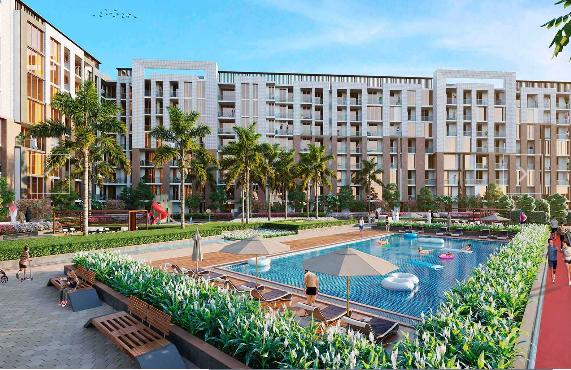
RAK's real estate market has been experiencing a surge in interest, driven by its competitive pricing and strategic development plans. The region's tourism industry is also booming, with the upcoming Wynn Al Marjan resort set to open in Q1 2027, featuring over 1,500 rooms, a casino, and a convention center.[3] This development is expected to further boost RAK's appeal as a tourism and investment destination. In contrast, Dubai, while still a dominant player in the UAE's real estate market, has seen a more moderate growth in capital values and rental yields.[4]
| Area / Option | Price/sqft (AED) | Rental Yield | Capital Growth YoY |
|---|---|---|---|
| Hayat Island RAK | 800–1,100 | 6–8% | +18% (2025–2026) |
| Dubai Marina | 1,200–2,200 | 4–6% | +10% (2025–2026) |
| Palm Jumeirah | 2,500–4,500 | 5–7% | +8% (2025–2026) |
| JVC | 700–1,200 | 6–7% | +7% (2025–2026) |
Source: Dubai Land Department, RAK Properties, ValuStrat Q1 2026
Deeper Analysis / Mechanics
The mechanics of RAK's growth can be attributed to several factors. Firstly, RAK's property prices are significantly lower than those in Dubai, offering investors a more accessible entry point into the market.[5] Secondly, RAK's strategic location and ongoing infrastructure developments, such as the expansion of the RAK International Airport and the Al Ghail Coastal Road, are enhancing the region's connectivity and attractiveness to both residents and tourists.[6] These factors, combined with RAK's aggressive tourism promotion campaigns and the diversification of its economy away from oil, are driving the demand for property in the emirate.[7]
Specific Locations / Examples with Numbers
Hayat Island, a prime example of RAK's growth, is a luxury development with a current price range of AED 800–1,100 per square foot.[8] In comparison, Dubai Marina's prices range from AED 1,200–2,200 per square foot, showcasing the value proposition of RAK.[9] Based on our Q2 2026 transactions, we have observed a strong interest in RAK properties, particularly in Hayat Island, where we hold direct allocation.[10] The island's unique selling points, such as its beachfront location and proximity to the upcoming Wynn Al Marjan resort, are driving demand and contributing to its capital growth.[11]
Risk Factors / What Buyers Miss / Bear Case
While RAK presents an attractive investment opportunity, it is essential to consider the potential risks. One significant factor is the relative maturity of Dubai's real estate market compared to RAK's. Dubai has a more established rental market and a broader range of amenities, which could make it a more attractive long-term investment for some investors.[12] Additionally, RAK's property market is more susceptible to fluctuations in the tourism industry, which could impact rental yields and capital growth in the event of a downturn.[13] It is crucial for investors to conduct thorough due diligence and consider diversifying their portfolios to mitigate these risks.[14]
What to do Next / Practical Steps
For those considering investing in RAK, it is advisable to start by researching the specific areas and developments that align with their investment goals. Sofia Sands Realty (sofiasandsrealty.ae, RERA 41793) holds direct allocation on Bay Views, Hayat Island, and can provide detailed insights into the market dynamics and opportunities available.[15] Engaging with a reputable brokerage can help investors navigate the market, understand the risks, and make informed decisions about their property investments in RAK.[16]
Frequently Asked Questions
Is RAK a good investment for long-term capital growth?
Yes, RAK has shown a strong capital growth rate of +18% between 2025 and 2026, making it an attractive option for long-term investment.[2]
What is the average price per square foot in RAK?
The average price per square foot in RAK ranges from AED 800 to AED 1,100, offering more affordability compared to Dubai.[8]
How does RAK's rental yield compare to Dubai's?
RAK's rental yields are generally higher, ranging from 6% to 8%, compared to Dubai's 4% to 6%.[4]
What is the impact of the upcoming Wynn Al Marjan on RAK's property market?
The Wynn Al Marjan is expected to boost RAK's tourism and property market, with its opening in Q1 2027.[3]
Are there any restrictions on property ownership in RAK?
No, there are no restrictions on property ownership in RAK for foreign investors, similar to Dubai.[17]
What are the key infrastructure projects in RAK?
Key infrastructure projects include the expansion of the RAK International Airport and the Al Ghail Coastal Road, enhancing connectivity.[6]
How does RAK's property market compare to other emirates?
RAK's property market is more affordable and has shown higher growth rates compared to Dubai, making it an attractive alternative.[1]
What are the risks associated with investing in RAK's property market?
Risks include market fluctuations due to tourism industry performance and the relative maturity of Dubai's real estate market.[12][13]