
In 2026, investors seeking a balance of capital growth and stable corporate rental yields in Ras Al Khaimah (RAK) should focus on Hayat Island and Al Marjan Island.
In 2026, investors seeking a balance of capital growth and stable corporate rental yields in Ras Al Khaimah (RAK) should focus on Hayat Island and Al Marjan Island. These areas have shown robust capital appreciation and rental returns in recent years. Notably, Hayat Island has demonstrated an impressive capital growth rate of +18% year-on-year between 2025 and 2026, with rental yields ranging from 6% to 8%. In contrast, RAK Central, while offering stability, has shown lower growth rates and rental yields. Source: Dubai Land Department, RAK Properties, ValuStrat Q1 2026.
Core data and context
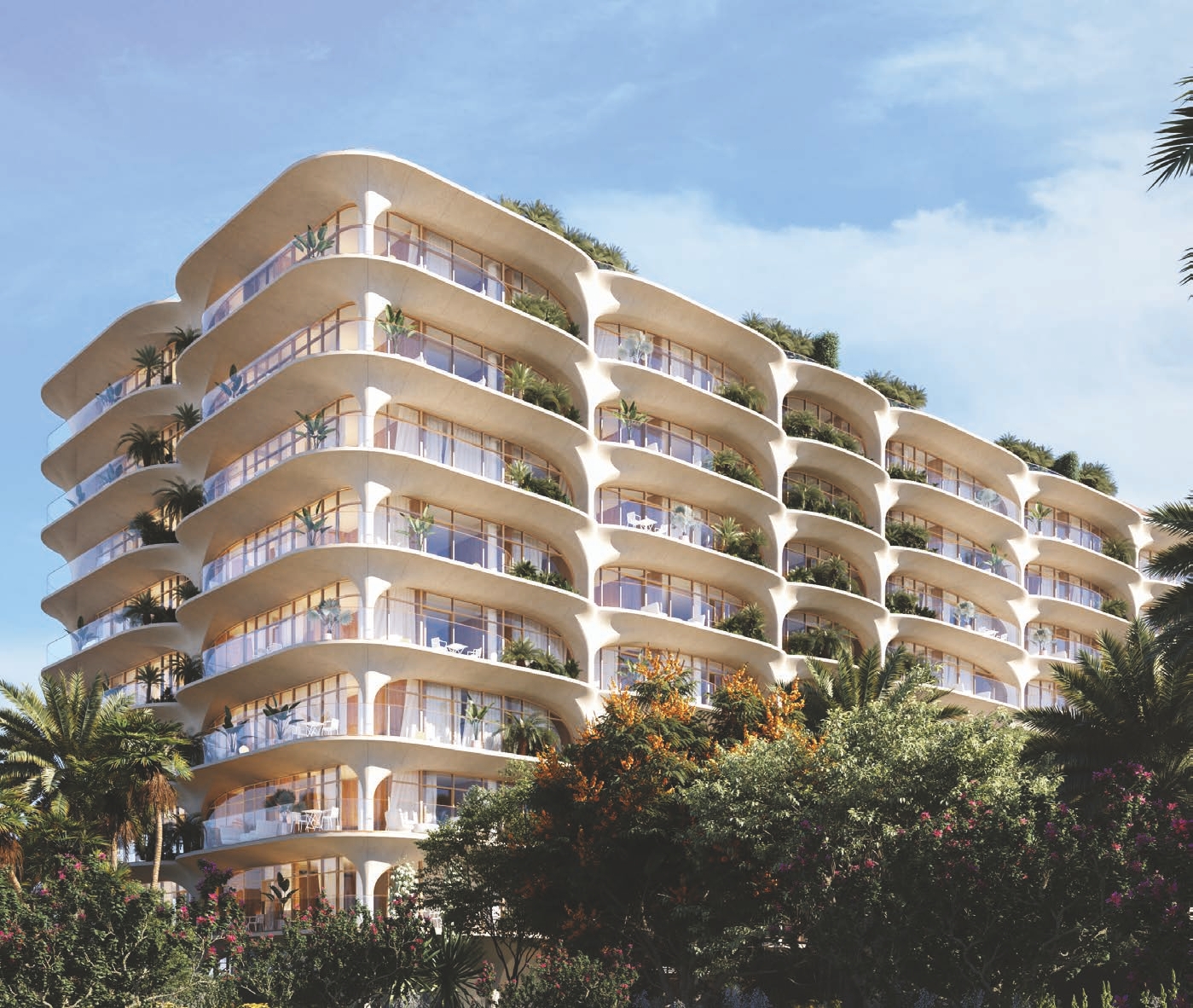
Ras Al Khaimah, often overshadowed by Dubai, has been steadily emerging as a compelling investment destination. The emirate's property market has seen a significant surge in transaction volumes, with RAK Properties reporting a 240% year-on-year increase in Q1 2026, amounting to AED 11 billion in transactions. This growth is attributed to a variety of factors, including attractive pricing, infrastructure development, and the emirate's strategic location.
| Area / Option | Price/sqft (AED) | Rental Yield | Capital Growth YoY |
|---|---|---|---|
| Hayat Island RAK | 800–1,100 | 6–8% | +18% (2025–2026) |
| Al Marjan Island | 700–1,000 | 5–7% | +15% (2025–2026) |
| RAK Central | 600–800 | 4–6% | +8% (2025–2026) |
Source: Dubai Land Department, RAK Properties, ValuStrat Q1 2026
Deeper analysis / mechanics
The mechanics of property investment in RAK revolve around two key performance indicators: capital growth and rental yields. Capital growth is driven by supply and demand dynamics, with areas like Hayat Island and Al Marjan Island experiencing an influx of development projects that are driving up property values. Rental yields, on the other hand, are influenced by the demand for rental properties, which is particularly strong in areas close to business hubs and tourist attractions.
Specific locations / examples with numbers
Hayat Island stands out with its direct allocation and development progress. With Cape Hayat being 86.5% complete as of Q1 2026, this development is poised to offer substantial capital appreciation. Additionally, the upcoming Wynn Al Marjan, which is scheduled to open in Q1 2027, is expected to further boost the area's appeal with over 1,500 rooms, a casino, and a convention center. This development is likely to increase foot traffic and, consequently, rental demand in the vicinity.
Al Marjan Island, another area to watch, has been experiencing a surge in development activity, with a focus on luxury living and tourism. The island's strategic location and the ongoing development of various leisure and hospitality projects are expected to drive both capital growth and rental yields.
Risk factors / what buyers miss / bear case
While RAK offers promising investment opportunities, investors should be mindful of potential risks. One such risk is the oversupply of properties, which could lead to a slowdown in capital appreciation or compress rental yields. Additionally, the market's reliance on tourism and external economic factors means that any downturn in the global economy could impact property values and rental demand.
What to do next / practical steps
For investors looking to capitalize on the opportunities in RAK, it is crucial to conduct thorough research and due diligence. Engaging with a reputable brokerage firm like Sofia Sands Realty, which holds direct allocation on Hayat Island and other key areas, can provide investors with access to exclusive projects and in-depth market insights. It is also advisable to consult with financial advisors to understand the long-term implications of property investment in RAK.
Frequently Asked Questions
What is the average price per square foot in Hayat Island?
The average price per square foot in Hayat Island ranges from AED 800 to AED 1,100, reflecting its premium positioning in the RAK market. Source: Dubai Land Department Q1 2026.
How does RAK's rental yield compare to Dubai's?
While Dubai's rental yields can vary significantly by area, with Downtown Dubai and Dubai Marina offering yields around 4-6%, RAK's Hayat Island and Al Marjan Island provide slightly higher yields, ranging from 6% to 8%. Source: ValuStrat Q1 2026.
What is the impact of the upcoming Wynn Al Marjan on the local property market?
The Wynn Al Marjan, with its extensive hospitality offerings, is expected to increase tourism and, consequently, rental demand in the surrounding areas, potentially boosting both rental yields and capital growth. Source: Wynn Al Marjan Q1 2027 projections.
Is there a risk of oversupply in RAK's property market?
As with any real estate market, there is a risk of oversupply, which could impact property values and rental yields. Investors should monitor supply trends and development projects to mitigate this risk. Source: RAK Properties Q1 2026 transaction volume report.
How does RAK's property market compare to Abu Dhabi's Yas Island?
While both RAK and Yas Island focus on luxury living and tourism, RAK's property prices are generally more affordable, offering potential for higher capital appreciation. However, Abu Dhabi's market stability and infrastructure investments also present a strong case for investment. Source: Knight Frank Global Property Index Q1 2026.
What are the legal considerations for property investment in RAK?
Investors should be aware of RERA's regulations, including rent increase limits and tenant rights, as well as the Dubai Land Department's trust account rules, which ensure transparency in property transactions. Source: RERA and DLD regulations.
How does the global economic climate affect RAK's property market?
The global economic climate can influence RAK's property market, particularly its tourism-dependent areas. Economic downturns can reduce tourism, affecting rental demand and property values. Investors should consider diversifying their portfolios to mitigate such risks. Source: CBRE Global Economic Outlook Q1 2026.
What are the tax implications of owning property in RAK?
Currently, there are no property taxes in RAK, which can be an attractive feature for investors. However, tax regulations can change, and investors should consult with financial advisors to understand any potential future implications. Source: RAK Government tax regulations.